


- Research local customs and traditions before your trip
- Dress appropriately for the climate and culture
- Learn basic greetings and phrases in the local language
- Respect local business practices and meeting etiquette
- Show appreciation for hospitality
- Be mindful of religious and cultural sensitivities
- Practice patience and flexibility
- Respect environmental and sustainability practices
- Exchange business cards respectfully if customary
- Follow up with a thank you note after your visit
1. Research Local Customs and Traditions
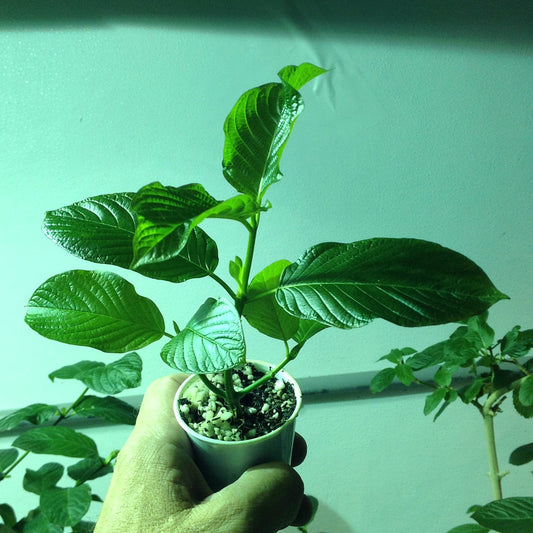
Before your trip, invest time in understanding the local customs and traditions of your destination. This preparation will help you avoid cultural missteps and demonstrate respect for your hosts. Kratom trees hold significant cultural importance in many Southeast Asian countries, representing traditional agricultural practices and local economic systems. Understanding their historical and cultural significance will enhance your appreciation of the industry.
Pay attention to social protocols such as greeting customs, dress expectations, and behavioral norms. For example, in many Southeast Asian cultures, removing shoes before entering homes, temples, or certain businesses is standard practice. Additionally, familiarize yourself with appropriate gestures and body language, as actions considered polite in one culture may be offensive in another. By demonstrating knowledge of and willingness to follow local customs, you'll create a positive first impression and establish a foundation for respectful, productive meetings with kratom suppliers.
2. Dress Appropriately for the Climate and Culture

When visiting kratom suppliers, select attire that is professional, culturally appropriate, and suitable for tropical climates. Choose loose-fitting, breathable clothing made from natural materials like cotton or linen. Ensure your clothing covers shoulders and knees, as this is often required in many Asian cultures, particularly in rural areas or religious sites. Men should consider collared shirts and long pants, while women can wear modest dresses, knee-length skirts, or appropriate pants with conservative tops.
Remember that you're representing your business, so maintain a professional appearance while respecting local cultural norms. Avoid overly casual attire such as shorts, tank tops, or flip-flops, as these may be perceived as disrespectful in business contexts. Additionally, prepare for sudden weather changes, such as tropical rainstorms, by carrying a light raincoat or umbrella. Appropriate dress demonstrates respect for local customs while ensuring comfort in the hot, humid conditions typical of kratom-growing regions.
3. Learn Basic Greetings and Phrases

Acquiring basic greetings and phrases in the local language can significantly enhance your interactions with kratom suppliers and demonstrates genuine interest in their culture. Focus on essential expressions such as "hello," "thank you," "please," and "nice to meet you" in the relevant local language. For example, in Indonesia, learning "Selamat pagi" (good morning) or "Terima kasih" (thank you) would be valuable. In Thailand, "Sawadee krap/ka" (hello for men/women) and "Khob khun krap/ka" (thank you) are essential phrases.
Practice proper pronunciation, as many Southeast Asian languages employ tonal variations that can alter word meanings. Consider using language learning applications or practicing with native speakers to improve your delivery. When using these phrases during your visit, speak with confidence while maintaining humility, showing your genuine effort to bridge language barriers. Your hosts will likely appreciate your attempt to communicate in their language, even if mistakes occur. This effort can help break ice in meetings and create a more welcoming atmosphere for business discussions.
4. Respect Local Business Practices
Business culture in Southeast Asian countries often differs significantly from Western business practices. Relationship-building and maintaining harmony frequently take precedence over rapid deal-making. In many cultures, establishing personal connections is considered essential before discussing business matters. Be prepared to engage in conversations about family, culture, and shared interests to build rapport.
Patience is crucial throughout this process. Avoid rushing into negotiations or pushing for quick decisions, as this may be perceived as aggressive or disrespectful. Instead, allow time for relationship-building activities such as shared meals or participation in local customs. Kratom powder is often produced using traditional methods passed down through generations. Show genuine interest in these processes, ask thoughtful questions about cultivation, harvesting, and processing techniques. This curiosity demonstrates respect for their expertise and cultural heritage, potentially leading to more open and productive business discussions.
5. Show Appreciation for Hospitality

Hospitality is deeply valued in many Southeast Asian cultures. When your hosts offer food, beverages, or gifts, accept them graciously, even if you're unfamiliar with the item. Declining offers can be perceived as impolite or even offensive in certain contexts. If you have dietary restrictions or allergies, it's best to communicate these in advance to avoid awkward situations.
Be open to experiencing local cuisine and participating in traditional customs when invited. This might include attending local festivals, traditional ceremonies, or learning about kratom preparation methods in their cultural context. Your willingness to engage with local experiences demonstrates respect and helps build stronger connections with suppliers. If you're uncertain about specific customs or practices, it's appropriate to politely ask for guidance. This openness not only shows respect but also provides opportunities to learn more about the culture and communities involved in kratom production.
6. Be Mindful of Religious and Cultural Sensitivities
Many Southeast Asian countries feature diverse religious and cultural landscapes that influence daily life and business practices. It's essential to be aware of and respect these during your visit. Research the predominant religions in your destination area, such as Buddhism, Islam, or Hinduism, and understand how they might impact business interactions. For example, during Ramadan, a Muslim holy month, business hours may be adjusted, and it's courteous to avoid eating or drinking in public during daylight hours out of respect for those observing the fast.
When visiting religious sites or participating in cultural events, carefully observe local customs and dress codes. This may include covering your head in certain places of worship, removing shoes before entering temples or homes, or avoiding public displays of affection. In some cultures, it's considered inappropriate to use your left hand for eating or passing items. Additionally, be cautious about discussing sensitive topics such as politics or religion unless your hosts initiate such conversations. By respecting spiritual and cultural practices, you'll avoid inadvertent offenses and gain deeper understanding and appreciation of the local culture, potentially leading to stronger, more meaningful business relationships.
7. Practice Patience and Flexibility
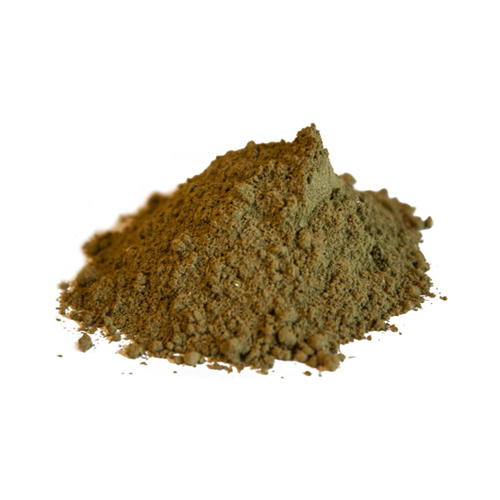
Time concepts and business pacing in Southeast Asian cultures often differ from Western expectations. Many of these regions embrace concepts similar to "rubber time" or "jam karet" in Indonesian, meaning more flexible approaches to schedules and deadlines. Meetings may begin later than scheduled, discussions might extend beyond expected timeframes, and decision-making processes could require more time than you're accustomed to. It's important to adjust your expectations and maintain patience throughout your visit.
This cultural difference stems from prioritizing relationships and harmony over strict schedule adherence. Rather than becoming frustrated or attempting to rush processes, use additional time as opportunities to build stronger connections with your hosts or learn more about their operations. Remember that White Borneo Kratom and other varieties are cultivated with care using traditional methods refined over generations. Appreciate the time and effort invested in producing high-quality kratom products, and remain open to learning about these processes. Your flexibility and understanding will be noticed and appreciated, potentially leading to more favorable business outcomes and stronger long-term partnerships.
8. Respect Environmental and Sustainability Practices

Many kratom suppliers prioritize sustainable farming practices and environmental stewardship, recognizing the importance of preserving the delicate ecosystems where kratom naturally thrives. During your visit, take time to understand and appreciate these efforts. Inquire about sustainable harvesting methods, reforestation programs, or biodiversity conservation initiatives in kratom-growing regions. Show genuine interest in how they balance traditional cultivation methods with modern sustainability practices.
Be prepared to discuss your own company's sustainability initiatives and how they align with or complement your suppliers' efforts. This shared commitment to responsible practices can strengthen your business relationship and benefit the kratom industry's long-term viability. Cross-cultivation techniques and innovative production methods demonstrate the industry's commitment to sustainability and quality. Discuss these advancements, showing your support for practices that ensure kratom's long-term cultivation while minimizing environmental impact. Your interest and support in these areas can create a sense of shared values and mutual respect, potentially leading to more collaborative and successful business partnerships.
9. Exchange Business Cards Respectfully
In many Asian cultures, business card exchange is not merely a simple transaction but an important ritual that demonstrates mutual respect and marks the beginning of a professional relationship. When exchanging business cards, present and receive them with both hands, as this gesture shows respect and importance to the interaction. Take a moment to carefully examine the card you've received before storing it, demonstrating interest in the person's position and organization.
Treat the business card with considerable respect, as it represents the individual who presented it to you. Avoid writing on the card, folding it, or placing it in your back pocket, as these actions can be perceived as disrespectful. Instead, place it carefully in a business card holder or on the table in front of you during meetings. If you're seated at a table with multiple people, arrange the cards you've received in front of you to correspond with each person's seating position. This helps you remember names and titles while showing attentiveness to your hosts. Before your trip, consider having your business cards printed with one side in English and the other in the local language of your destination country. This thoughtful gesture demonstrates your commitment to cross-cultural communication and respect for local customs.
10. Follow Up and Express Gratitude

After completing your visit to kratom suppliers, promptly send a thank-you note or email expressing sincere appreciation for your hosts' time, hospitality, and insights. This gesture of gratitude helps reinforce the relationship and establishes a positive foundation for future interactions. In your message, reference specific aspects of the visit that you found particularly valuable or memorable. This might include mentioning a particular conversation, a tour of their facilities, or an experience that left a lasting impression.
Consider sending a small, culturally appropriate gift as a token of appreciation, keeping in mind any relevant customs or restrictions. This could be a specialty item from your home country or something that reflects your company's values or region. Additionally, use this follow-up communication to summarize key points discussed during your visit and outline next steps for your business relationship. Express your enthusiasm for future collaboration and your commitment to maintaining the connection you've established. To further demonstrate your interest and engagement, consider exploring additional kratom extracts and products to expand your knowledge and show continued interest in the supplier's full range of offerings. This ongoing communication and interest can help establish a strong, lasting partnership based on mutual respect and understanding.
Conclusion
By carefully following these cultural etiquette guidelines, you'll be well-prepared to build strong, respectful, and lasting professional relationships with kratom suppliers abroad. Remember that cultural sensitivity and genuine interest in local customs is not merely about politeness, but is fundamental to successful international business interactions. As you navigate these cross-cultural exchanges, you'll not only strengthen your business connections but also gain valuable insights into the rich traditions and practices surrounding kratom cultivation and production.
Your efforts to understand and respect local customs will be recognized and appreciated, potentially opening doors to deeper collaborations and more favorable business terms. Moreover, this cultural immersion can provide you with unique perspectives on the kratom industry, enhancing your ability to make informed decisions and develop innovative strategies in the global marketplace. Embrace these experiences as opportunities for personal and professional growth, fostering relationships that extend beyond mere business transactions to create meaningful, mutually beneficial partnerships in the kratom industry.