


Key Takeaways: Essential Cleaning Protocols for Raw Kratom Leaves
- Proper inspection and sorting of leaves is the first critical step in cleaning
- Gentle rinsing with filtered water removes surface contaminants while preserving alkaloid profiles
- Drying techniques significantly impact the final quality and potency of kratom products
- Different kratom varieties (White, Green, Red) require specialized cleaning approaches to maintain their unique characteristics
- Professional-grade equipment ensures consistent quality and efficiency in large-scale processing operations
- Laboratory testing confirms successful cleaning and safety of processed leaves before further production
- Sustainable cleaning practices benefit both product quality and environmental responsibility
- Proper storage conditions after cleaning are crucial for maintaining potency and extending shelf life
- Documentation and traceability systems ensure quality control throughout the entire process
- Scale-appropriate protocols can be implemented for both commercial and small-batch operations
Introduction to Raw Kratom Leaf Processing
Raw kratom leaves (Mitragyna speciosa) require thorough cleaning and processing to ensure purity, potency, and safety. As specialists in premium kratom products, we at Mitra Science understand that proper cleaning protocols are the foundation of high-quality kratom. This comprehensive guide outlines professional techniques for cleaning raw kratom leaves before they undergo further processing into various forms including powders and crushed leaf products.
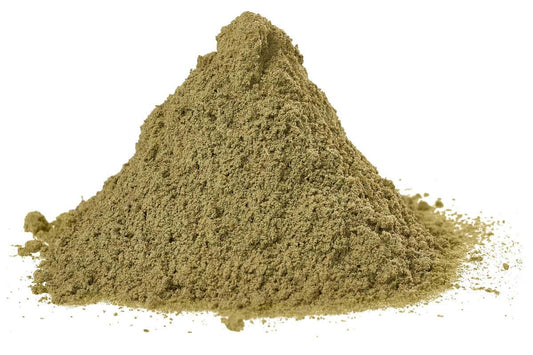

The cleaning process is essential for removing contaminants while preserving the natural alkaloid content that makes kratom valuable for botanical research and applications. Whether you're a bulk supplier, manufacturer, or researcher working with raw kratom leaves, understanding these cleaning protocols will help ensure consistent quality in your final products. Proper cleaning not only enhances safety but also significantly improves the efficacy, appearance, and shelf-life of kratom materials used in scientific and commercial applications.
Importance of Proper Cleaning for Raw Kratom
Proper cleaning of raw kratom leaves is a critical quality control measure that directly impacts the final product. When working with Southeast Asian kratom varieties, cleaning becomes even more important due to the tropical growing conditions and harvesting methods. The high humidity and temperature in these regions can create environments where microbial growth and environmental contamination are significant concerns that must be addressed through careful cleaning protocols.


The key benefits of thorough cleaning include:
1. Removal of Environmental Contaminants: Eliminates dust, dirt, and agricultural residues that may have accumulated during growth or harvest. These contaminants can include soil particles, pollen, insect debris, and airborne pollutants that stick to the leaf surface during cultivation and harvesting processes. Thorough cleaning removes these materials that could otherwise compromise product quality and safety.
2. Microbial Control: Reduces the presence of bacteria, mold, and fungi that can grow in tropical environments where kratom naturally grows. The warm, humid conditions of Southeast Asia create ideal environments for microbial growth, making this aspect of cleaning particularly important for ensuring product safety and stability. Effective cleaning significantly reduces microbial load to acceptable levels for botanical products.
3. Quality Enhancement: Improves the color, aroma, and overall presentation of the final product. Clean leaves produce more consistent, vibrant products with better sensory characteristics. The removal of foreign materials and contaminants results in kratom products with improved appearance, texture, and properties that meet the expectations of researchers and consumers.
4. Alkaloid Preservation: Proper cleaning techniques help maintain the natural alkaloid profile of the leaves, which is essential for research-grade kratom products. Harsh or improper cleaning methods can damage or alter the delicate alkaloid compounds that give kratom its unique properties. Gentle, appropriate cleaning preserves these valuable compounds while still effectively removing contaminants.
5. Consistency in Processing: Establishes a standardized starting point for further processing into powders, extracts, or other formulations. When all leaves begin the production process at the same level of cleanliness, the resulting products show greater batch-to-batch consistency in both appearance and chemical composition, which is crucial for research applications and commercial reliability.
Our premium Indonesian kratom undergoes rigorous cleaning protocols to ensure the highest quality botanical material for research and commercial applications. These procedures have been developed through years of experience working with various kratom varieties and represent industry best practices for quality assurance.
Initial Inspection and Sorting
The cleaning process begins with careful inspection and sorting of raw kratom leaves. This critical first step ensures that only high-quality leaves continue through the cleaning process, establishing a foundation for premium final products. Thorough inspection identifies and removes substandard materials that could compromise quality or require excessive processing to fix.
Visual Inspection Criteria


When inspecting raw kratom leaves, we look for:
Color and Vein Characteristics: Sorting by vein color (red, white, green) to maintain strain integrity. Our Green Horned Borneo and Red Maeng Da varieties show distinctive vein patterns that require careful sorting. The color intensity and vein pattern uniformity are important indicators of leaf maturity and potential alkaloid content. Leaves with inconsistent coloration or poorly defined vein structures are typically separated for different processing streams or rejected entirely.
Leaf Size and Maturity: Selecting fully mature leaves with optimal alkaloid content. Younger leaves or those that are too old may not provide the desired alkaloid profile. Mature leaves typically display more defined vein structures, appropriate thickness, and optimal size for their variety. Leaves that are undersized, overly thin, or showing signs of immaturity generally contain lower alkaloid concentrations and may produce inferior final products.
Damage Assessment: Removing leaves with excessive insect damage, discoloration, or mold growth. These damaged leaves could harm the quality of the entire batch. Even minor damage can create entry points for microorganisms or trigger processes that degrade alkaloid content. Our inspectors are trained to identify various types of damage, from insect feeding patterns to early signs of fungal growth that might not be immediately obvious to untrained observers.
Foreign Matter: Separating out twigs, stems, and other plant material that may have been collected during harvesting. These non-leaf components can significantly affect processing efficiency and final product quality. While some stem material may be acceptable in certain product categories, maintaining consistent ratios of leaf to stem is important for product standardization and quality control.
Automated vs. Manual Sorting
For large-scale operations processing bulk quantities of kratom, we use a combination of:
Manual Pre-sorting: Trained personnel conduct initial inspections to remove obviously damaged or contaminated leaves. These skilled workers can quickly identify major quality issues that might be missed by automated systems. Their expertise is particularly valuable when processing new batches or varieties with unique characteristics. The human eye and touch assessment remain unmatched for certain quality parameters that machines cannot easily quantify.
Mechanical Sorting: Specialized equipment separates leaves by size and removes foreign materials. These systems use various physical principles such as size differentiation, density separation, and air classification to efficiently process large volumes of raw material. Mechanical sorting significantly increases throughput while maintaining consistent quality standards for parameters that can be physically measured or detected.
Optical Sorting Technology: Advanced systems that use cameras and sensors to detect and remove discolored or damaged leaves based on predetermined parameters. These sophisticated machines can process thousands of leaves per minute, identifying subtle color variations, blemishes, and foreign materials with remarkable accuracy. Modern optical sorters incorporate machine learning algorithms that continuously improve detection capabilities based on feedback and historical data.
This multi-stage sorting process ensures that only premium leaves continue to the washing stage, setting the foundation for high-quality White Bali, Green Borneo, and other popular kratom varieties. The combination of human expertise and technological precision creates a comprehensive quality control system that significantly enhances final product consistency and purity.
Washing and Rinsing Techniques
After sorting, raw kratom leaves undergo careful washing to remove surface contaminants while preserving their valuable alkaloid content. This delicate balance requires specialized techniques that effectively clean without damaging the leaves or washing out the compounds that give kratom its unique properties.

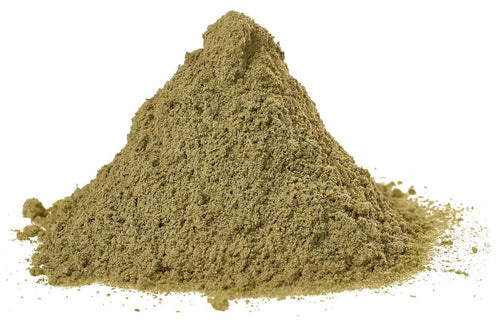
Water Quality Considerations
The quality of water used for washing kratom leaves significantly impacts the final product:
Filtered Water: We use multiple-stage filtration systems to remove chlorine, heavy metals, and other contaminants that could affect the leaves. Our filtration process typically includes sediment filtration, carbon filtration, and often reverse osmosis treatment to ensure water purity. Chlorine and other chemical treatments commonly found in tap water can interact with kratom alkaloids, potentially changing their chemical structure or concentration, making water purification an essential first step in the washing process.
pH-Controlled Water: Maintaining a slightly acidic to neutral pH (6.0-7.0) helps preserve alkaloids while still effectively cleaning the leaves. We regularly monitor and adjust water pH as needed to maintain optimal conditions. The pH level significantly affects alkaloid stability, with highly alkaline water potentially causing degradation of key compounds. Our pH control systems use food-grade buffers when necessary to maintain consistent conditions throughout the washing process.
Temperature Control: Using room temperature to slightly cool water (20-25°C/68-77°F) prevents alkaloid degradation that can occur with hot water. Temperature-controlled washing systems maintain consistent conditions regardless of ambient temperature fluctuations. Excessively cold water can reduce cleaning effectiveness, while water above 30°C (86°F) may begin to extract water-soluble compounds prematurely or damage the delicate leaf structure.
Gentle Washing Methods
Our washing protocols for premium kratom leaves include:
1. Initial Rinse: A quick, gentle rinse to remove loose surface contaminants. This preliminary step removes dust, loose soil particles, and other easily dislodged materials without subjecting the leaves to prolonged water exposure. The initial rinse typically uses a higher water flow rate but shorter duration than later washing steps.
2. Immersion Washing: Carefully submerging leaves in filtered water with minimal agitation to prevent damage. The immersion period is precisely timed based on leaf type and condition to achieve optimal cleaning without excessive alkaloid leaching. For particularly delicate varieties, we may use protective mesh containers that minimize direct handling while allowing thorough water contact.
3. Specialized Agitation: Using controlled movement that's strong enough to dislodge contaminants but gentle enough to preserve leaf integrity. Our custom-designed agitation systems create water movement patterns that effectively clean leaf surfaces without causing mechanical damage. The intensity and pattern of agitation are carefully calibrated for different leaf varieties and conditions.
4. Multiple Rinse Cycles: Sequential rinsing with fresh water to ensure thorough cleaning. Each successive rinse uses increasingly pure water, with the final rinses often utilizing the highest grade of filtered water. This progressive approach efficiently removes contaminants while minimizing the total water volume required.
5. Final Rinse: A final rinse with purified water to remove any remaining residues. This step ensures that no cleaning agents or dissolved contaminants remain on the leaf surface. The final rinse water often undergoes additional filtration or treatment to ensure the highest purity level.
For our Yellow Vietnam and other specialty varieties, we implement additional customized washing protocols to preserve their unique characteristics. These specialized procedures may include modified agitation patterns, adjusted water chemistry, or altered timing sequences specifically developed for these distinctive kratom varieties.
Industrial-Scale Washing Equipment
For bulk processing of wholesale kratom, we utilize:
Rotary Drum Washers: Gently tumble leaves while spraying with filtered water. These sophisticated machines feature programmable rotation speeds, spray patterns, and cycle durations to accommodate different leaf types and cleaning requirements. The drum interior is designed with food-grade materials and specialized lifting vanes that ensure thorough but gentle leaf movement during washing.
Conveyor Washing Systems: Move leaves through a series of washing and rinsing stations. These automated systems provide precise control over exposure time at each cleaning stage while minimizing handling damage. The conveyor belts are constructed from materials that resist bacterial growth and are easily sanitized between production runs to prevent cross-contamination.
Ultrasonic Cleaning: For specialized applications, ultrasonic technology can remove microscopic contaminants without damaging the leaves. These advanced systems use high-frequency sound waves to create microscopic cavitation bubbles that implode against leaf surfaces, dislodging contaminants that conventional washing might miss. We carefully control ultrasonic power and exposure duration to prevent cellular damage to the kratom leaves.
These washing techniques ensure our White Maeng Da, Red Borneo, and other varieties maintain their natural properties while meeting strict cleanliness standards. Our washing protocols undergo regular review and refinement based on quality testing results and advances in cleaning technology.
Drying Methods for Cleaned Leaves
Proper drying is perhaps the most critical step after washing raw kratom leaves, as it directly impacts the final product's quality, potency, and shelf life. The drying process not only removes moisture but also influences alkaloid stability, color development, and microbial safety of the finished product.


Controlled Environment Drying
For our premium Green Borneo and other high-quality strains, we employ controlled environment drying:
Temperature Control: Maintaining temperatures between 45-55°C (113-131°F) to preserve alkaloids while ensuring effective drying. This temperature range has been determined through extensive testing to provide the optimal balance between drying efficiency and alkaloid preservation. Our climate-controlled drying chambers feature multiple temperature sensors and feedback systems that maintain consistent conditions throughout the entire drying space, eliminating hot spots or cold zones that could lead to uneven drying.
Humidity Regulation: Gradually reducing humidity levels to prevent mold growth while avoiding overly rapid drying that can damage leaves. Our programmable humidity control systems typically begin with higher relative humidity (around 60-70%) and progressively reduce it as the leaves dry. This gradual approach prevents case hardening—a condition where the leaf surface dries too quickly and traps moisture inside, potentially leading to quality issues or microbial growth.
Air Circulation: Using precision-controlled fans to ensure even drying across all leaves. The airflow pattern is carefully designed to provide consistent air movement without creating excessive turbulence that could damage delicate leaves. Variable-speed fans adjust automatically based on moisture sensors and drying stage to maintain optimal conditions throughout the process.
Drying Duration: Carefully monitoring drying times, typically 6-24 hours depending on leaf thickness and desired final characteristics. Each batch is monitored with moisture meters and visual inspection to determine the precise endpoint. For certain specialty products, we may implement staged drying with rest periods that allow moisture to equilibrate throughout the leaf material, resulting in more consistent final moisture content.
Specialized Drying Techniques
Different kratom varieties require specific drying approaches to maintain their unique profiles:
1. Indoor Air Drying: Used for our White Bali and other white vein varieties, involving controlled indoor environments with moderate airflow. This gentle approach preserves the distinctive characteristics of white vein kratom, which can be particularly sensitive to heat exposure. The indoor air drying rooms feature HEPA filtration to prevent contamination and maintain pharmaceutical-grade cleanliness standards throughout the drying process.
2. Partial Sun Exposure: Some varieties, particularly those used in our Yellow Vietnam products, undergo brief, controlled sun exposure during specific stages of drying. This traditional technique influences alkaloid transformation and color development through natural UV exposure. We've modernized this approach with UV-filtered greenhouse environments that provide the benefits of natural sunlight while protecting against contamination and weather variables.
3. Fermentation Processes: For certain red vein varieties like our Red Maeng Da, specialized fermentation techniques are incorporated into the drying process. These controlled fermentation phases typically involve maintaining the leaves at specific temperature and humidity levels in sealed environments that promote beneficial enzymatic activity. The fermentation process is carefully monitored with both sensory evaluation and analytical testing to ensure consistent results.
Industrial Drying Equipment
For large-scale processing of bulk kratom, we utilize:
Dehydration Chambers: Computer-controlled environments that precisely manage temperature, humidity, and airflow. These sophisticated systems can process hundreds of kilograms simultaneously while maintaining exact specifications throughout the drying cycle. Advanced sensors continuously monitor leaf moisture content and automatically adjust parameters to achieve target specifications regardless of initial moisture levels or ambient conditions.
Conveyor Dryers: Moving leaves through different drying zones with varying conditions. These multi-stage systems progressively reduce moisture while controlling the drying rate at each phase. The conveyor design ensures consistent exposure and prevents leaves from sticking together, which could cause uneven drying. Different zones within the dryer can be programmed with distinct temperature and humidity profiles to optimize the drying curve for specific kratom varieties.
Freeze-Drying Technology: For specialized applications requiring maximum alkaloid preservation. This advanced technology first freezes the leaves and then removes moisture through sublimation under vacuum conditions. While more energy-intensive than conventional drying, freeze-drying preserves nearly all of the leaf's structural integrity and chemical composition, making it ideal for research-grade materials or premium product lines where exceptional quality justifies the additional processing cost.
These advanced drying techniques ensure our ethically sourced kratom maintains optimal alkaloid profiles while achieving the ideal moisture content for further processing or packaging. The final moisture content typically ranges from 5-10%, which prevents microbial growth while maintaining leaf flexibility for proper handling during subsequent processing steps.
Strain-Specific Cleaning Considerations
Different kratom strains require tailored cleaning approaches to preserve their unique characteristics and alkaloid profiles. These specialized protocols have been developed through years of experience working with various kratom varieties and represent an important aspect of quality control in premium kratom production.


White Vein Varieties
Our White Maeng Da and White Bali varieties require specific cleaning protocols:
Minimal Water Exposure: Brief, gentle washing to preserve the delicate alkaloid balance. White vein varieties typically contain higher concentrations of certain alkaloids that can be more susceptible to water extraction. Our protocols limit immersion time to the minimum necessary for effective cleaning, often utilizing fine mist sprays rather than full immersion when possible. This approach removes surface contaminants while minimizing the potential for alkaloid leaching that could affect the final product's properties.
Rapid Drying: Controlled quick-drying techniques that maintain the distinctive characteristics of white vein varieties. The drying process for white veins typically begins at slightly lower temperatures with higher airflow rates to quickly remove surface moisture before gradually transitioning to more moderate conditions. This specialized drying curve helps preserve the unique alkaloid ratios that give white vein kratom its characteristic properties while still ensuring complete drying to prevent microbial issues.
Extra Inspection: Additional sorting to ensure only the youngest, most suitable leaves are processed. White vein kratom often benefits from using younger leaves with specific maturity characteristics. Our inspectors are specially trained to identify the optimal leaf stage for white vein varieties, with additional quality control checkpoints throughout the cleaning process to maintain strict selection standards.
Lower Temperature Processing: Maintaining cooler temperatures throughout cleaning and drying to preserve the natural profile. All equipment used for white vein processing is operated at the lower end of acceptable temperature ranges, with enhanced cooling systems when necessary to prevent heat-induced alkaloid changes. Temperature monitoring is particularly rigorous for these sensitive varieties.
Green Vein Varieties
For our Green Horned Borneo and Green Borneo products:
Balanced Washing: Moderate washing that removes contaminants while maintaining the balanced alkaloid profile. Green vein varieties typically tolerate standard washing procedures well, but we still carefully monitor water temperature, pH, and exposure time to maintain their characteristic balance of alkaloids. The washing protocol for green varieties represents our baseline standard, with modifications made for other vein colors as needed.
Controlled Humidity Drying: Maintaining specific humidity levels during drying to preserve the characteristic green vein properties. The drying curve for green varieties typically follows a more gradual moisture reduction pattern than white veins, with particular attention to the mid-drying phase where key chemical transformations occur. Humidity is carefully regulated to ensure even moisture reduction throughout the leaf material.
Mid-Leaf Selection: Focusing on mature but not overly aged leaves for optimal results. Green vein kratom typically comes from leaves at the peak of maturity, with well-developed alkaloid profiles but before the transitions that characterize older leaves. Our sorting protocols for green varieties prioritize leaves showing ideal maturity indicators specific to each sub-variety.
Specialized Sorting: Additional attention to vein pattern consistency during sorting. The distinctive vein patterns of green varieties, particularly the horned varieties, require specialized inspection to maintain authenticity. Our sorters receive additional training on identifying genuine horned leaf characteristics and other morphological features that distinguish premium green vein kratom.
Red Vein Varieties
Our Red Maeng Da and Red Borneo varieties undergo:
Extended Washing: Slightly longer washing phases to prepare leaves for specialized drying. Red vein varieties often benefit from more thorough washing to facilitate the subsequent fermentation or specialized drying processes. The washing protocols may include additional gentle agitation cycles or longer immersion times, carefully calibrated to prepare the leaves without causing excessive alkaloid loss.
Fermentation Techniques: Controlled fermentation during or after washing to develop the distinctive characteristics of red varieties. This process typically involves maintaining the leaves at specific temperature and humidity levels in sealed environments that promote enzymatic activity. The fermentation is carefully monitored with both sensory evaluation and analytical testing to ensure it proceeds correctly without developing off-notes or microbial issues.
Mature Leaf Selection: Focusing on fully mature leaves with well-developed alkaloid profiles. Red vein kratom typically utilizes leaves that have reached full maturity, often selected from the lower portions of the plant where sun exposure and age have influenced alkaloid development. Our sorting protocols for red varieties prioritize these fully mature leaves with distinctive red vein coloration.
Specialized Drying Cycles: Unique temperature and humidity patterns that enhance the natural properties of red vein varieties. The drying process for red veins often includes periods of higher humidity and temperature to promote specific chemical transformations that develop the characteristic alkaloid profile. These cycles are precisely controlled and may include multiple phases with different environmental conditions.
Specialty Varieties
For unique varieties like our Yellow Vietnam:
Hybrid Cleaning Protocols: Combining elements from different cleaning approaches to achieve the distinctive yellow characteristics. These specialized protocols often incorporate aspects of both white and red vein processing, modified to create the unique alkaloid profile of yellow varieties. The specific parameters are adjusted based on leaf characteristics and desired final properties.
Specialized Fermentation: Unique fermentation processes that occur between washing and final drying. Yellow varieties typically undergo a distinctive fermentation process that differs from red vein fermentation in both duration and environmental conditions. This specialized process contributes significantly to the development of their characteristic properties.
Multi-Stage Drying: Sequential drying phases with varying conditions to develop the desired alkaloid profile. Yellow varieties often undergo a more complex drying process with distinct phases that may include periods of sun exposure, indoor drying, and controlled environment drying. The transition timing between these phases is critical to developing the desired final characteristics.
These strain-specific considerations ensure that each of our Southeast Asian kratom varieties maintains its authentic characteristics throughout the cleaning and processing stages. Our specialized protocols preserve the unique properties that distinguish different kratom varieties while ensuring consistent quality and safety.
Equipment and Tools for Professional Cleaning
Professional-grade equipment is essential for efficient and effective cleaning of raw kratom leaves at scale. At Mitra Science, we utilize specialized tools throughout our cleaning protocols to ensure consistent quality and productivity while maintaining the highest standards of cleanliness and safety.


Sorting and Inspection Equipment
For the initial processing of our bulk kratom leaves:
Illuminated Inspection Tables: LED-lit sorting surfaces that enhance visibility of leaf characteristics and potential contaminants. These specialized workstations feature adjustable color temperature lighting that can be optimized for detecting different types of defects or contaminants. The ergonomic design reduces worker fatigue during extended sorting sessions, while the illumination system highlights subtle quality indicators that might be missed under standard lighting.
Optical Sorting Systems: Camera-based technology that automatically identifies and removes substandard leaves. These advanced systems use high-resolution imaging and sophisticated algorithms to detect color variations, physical damage, and foreign materials at high speed. Modern optical sorters can process thousands of leaves per minute with accuracy approaching that of human inspectors for many common defects, significantly increasing throughput while maintaining quality standards.
Air Classification Systems: Equipment that separates leaves by weight and density, removing lighter debris and contaminants. These systems use precisely controlled airflow to sort materials based on their aerodynamic properties. Heavier, intact leaves follow different trajectories than lighter debris or damaged leaf fragments, allowing for efficient separation without mechanical handling that could damage delicate leaves.
Vibrating Screens: Multi-level screening systems that separate leaves by size and remove foreign particles. These industrial-grade separators use precisely calibrated vibration patterns and screen apertures to efficiently classify leaves and remove unwanted materials. Different screen configurations can be implemented for various kratom varieties and quality grades, providing flexible processing capabilities.
Washing and Rinsing Systems
Our washing facilities for premium kratom leaf processing include:
Food-Grade Washing Drums: Stainless steel rotating drums with spray systems for gentle but thorough cleaning. These specialized drums feature carefully designed interior surfaces that move leaves through the washing process without causing damage. The spray systems deliver precisely controlled water volumes at optimal pressure and pattern to maximize cleaning efficiency while minimizing water usage and alkaloid loss.
Immersion Washing Tanks: Temperature-controlled tanks with filtration systems for batch washing. These systems maintain precise water conditions throughout the washing cycle, with continuous filtration that removes dislodged contaminants to prevent redeposition on clean leaves. The tanks incorporate gentle agitation mechanisms that create water movement patterns specifically designed to clean leaf surfaces without causing mechanical damage.
Multi-Stage Rinse Lines: Conveyor systems that move leaves through sequential washing and rinsing stations. These automated systems provide precise control over exposure time at each cleaning stage while minimizing handling damage. The progressive design ensures that leaves encounter increasingly clean water as they move through the system, maximizing cleaning efficiency and final product quality.
Water Filtration and Treatment Systems: Advanced filtration that ensures only pure water contacts the leaves. Our water treatment includes multi-stage filtration, UV sterilization, and often reverse osmosis systems to remove potential contaminants. Water quality is continuously monitored for parameters including pH, mineral content, and microbial indicators to ensure consistent washing conditions.
Water Reclamation Systems: Environmentally responsible systems that filter and reuse water when possible. These sophisticated systems treat used wash water through multiple purification stages, allowing it to be recycled for initial washing stages or other facility uses. This approach significantly reduces water consumption while maintaining the highest cleaning standards.
Drying Equipment
For processing our Southeast Asian kratom varieties:
Climate-Controlled Drying Chambers: Precision environments with adjustable temperature, humidity, and airflow. These sophisticated chambers feature independent control of all environmental parameters, with multiple sensors throughout the drying space to ensure uniform conditions. Computerized control systems can implement complex drying programs with multiple phases to optimize the drying process for different kratom varieties.
Dehydration Systems: Industrial dehydrators with multiple temperature zones and airflow patterns. These high-capacity systems can process large volumes of kratom leaves with exceptional consistency. The multi-zone design allows for progressive drying that gently removes moisture while preserving leaf quality, with different zones optimized for initial, middle, and final drying phases.
Specialized Fermentation Chambers: Controlled environments for varieties requiring fermentation steps. These sealed chambers maintain precise temperature and humidity conditions while controlling air exchange to create the ideal environment for the enzymatic processes involved in fermentation. Monitoring systems track environmental conditions and can detect subtle changes that might indicate unwanted microbial activity.
Moisture Content Analyzers: Precision instruments that monitor leaf moisture levels throughout the drying process. These devices provide real-time data on moisture content, allowing for precise determination of the optimal drying endpoint. Advanced models can measure moisture distribution throughout the leaf material, not just surface moisture, ensuring thorough and consistent drying.
Quality Control Instruments
To ensure consistent quality in our liquid kratom and other premium products:
Digital Microscopes: For detailed inspection of leaf surfaces before and after cleaning. These high-resolution imaging systems allow quality control personnel to examine leaf surfaces at magnifications up to 1000x, revealing microscopic contaminants or structural issues that would be invisible to the naked eye. The digital nature of these systems allows for image capture and comparison against reference standards.
Moisture Meters: Precision instruments that verify optimal moisture content. These specialized devices use electrical resistance, capacitance, or near-infrared technology to accurately measure leaf moisture without damaging the sample. Regular moisture verification throughout processing ensures product stability and quality.
Spectrophotometers: For analyzing color consistency across batches. These instruments provide objective, numerical color measurements that help maintain consistent appearance standards. Color data can be correlated with alkaloid content and other quality parameters, providing an additional non-destructive quality indicator.
Laboratory Testing Equipment: For verifying alkaloid content and confirming the absence of contaminants. Our in-house testing capabilities include HPLC (High-Performance Liquid Chromatography) for alkaloid analysis, microbial testing equipment, and instruments for detecting heavy metals and other potential contaminants. These analytical capabilities ensure that our cleaning processes consistently produce safe, high-quality kratom products.
This professional-grade equipment ensures our ethically sourced kratom meets the highest standards of cleanliness and quality before further processing into powders, extracts, or other formulations. Our ongoing investment in advanced technology allows us to maintain industry-leading quality while improving efficiency and sustainability throughout our operations.
Quality Testing After Cleaning
Rigorous quality testing is essential after cleaning raw kratom leaves to verify the effectiveness of the cleaning process and ensure the final product meets our strict standards. These comprehensive testing protocols provide scientific verification of product quality and safety beyond visual inspection alone.

Microbial Testing
For all our wholesale kratom products, we conduct:
Total Aerobic Microbial Count (TAMC): Measuring overall bacterial presence to ensure it falls within acceptable limits. This comprehensive test quantifies the total viable aerobic bacteria present in the sample, providing a broad indicator of microbial cleanliness. Our standards typically require TAMC values below 100,000 CFU/g (colony-forming units per gram), with premium grades requiring even lower counts. This testing uses standardized culture methods with appropriate dilutions to accurately quantify bacterial populations even at low levels.
Yeast and Mold Analysis: Verifying the absence of fungal contaminants that could compromise product quality and safety. Fungal organisms can produce mycotoxins and other compounds that may affect product safety, making their control essential. Our testing protocols use selective growth media and incubation conditions specifically designed to detect and quantify yeasts and molds that might be present in botanical materials. Acceptable limits are typically set below 10,000 CFU/g, with strict internal standards often requiring even lower levels.
E. coli and Salmonella Screening: Confirming the absence of specific harmful bacteria. These pathogenic organisms represent significant health risks and must be absent in finished products. Our testing uses both traditional culture methods and rapid molecular techniques to ensure reliable detection. Any detection of these organisms triggers immediate quarantine and investigation of the affected batch.
Enterobacteriaceae Testing: Checking for this family of bacteria as an indicator of cleaning effectiveness. This broader category includes many potential pathogens and serves as an excellent indicator of sanitary quality. Low Enterobacteriaceae counts generally correlate with good manufacturing practices and effective cleaning. Our protocols typically specify limits below 1,000 CFU/g for these indicator organisms.
Contaminant Analysis
Our ethically sourced kratom undergoes testing for:
Heavy Metal Screening: Verifying the absence of lead, mercury, arsenic, and cadmium. These toxic elements can accumulate in plant materials from soil or environmental contamination and must be strictly controlled. Our testing uses advanced analytical techniques such as ICP-MS (Inductively Coupled Plasma Mass Spectrometry) to detect even trace amounts of these contaminants. Our internal standards typically require levels well below regulatory thresholds to ensure maximum safety.
Pesticide Residue Analysis: Confirming that cleaning has removed any agricultural chemical residues. While our kratom is sourced from areas that typically use minimal agricultural chemicals, comprehensive testing ensures product safety. Multi-residue screening methods can detect hundreds of potential pesticide compounds at parts-per-billion levels. Any detection above established thresholds results in batch rejection or additional processing to reduce residues to acceptable levels.
Foreign Matter Inspection: Final verification that all non-leaf material has been removed. This includes both macroscopic examination and sieving tests to quantify any remaining foreign materials. Our specifications typically allow no more than 2% foreign organic matter and 0.5% foreign inorganic matter in finished products, with premium grades having even stricter requirements.
Microscopic Examination: Detailed inspection for any remaining contaminants not visible to the naked eye. This testing uses high-powered microscopy to examine leaf surfaces for microbial structures, insect fragments, mineral particles, and other potential contaminants. Trained analysts compare observations against reference standards to identify any anomalies that might indicate inadequate cleaning.
Alkaloid Content Verification
For our White Maeng Da, Red Borneo, and other varieties:
Mitragynine Analysis: Measuring the primary alkaloid content to verify it remains within the expected range after cleaning. This testing uses validated HPLC methods with UV detection or LC-MS (Liquid Chromatography-Mass Spectrometry) for enhanced sensitivity and specificity. Each kratom variety has established acceptable ranges based on historical data, with quality control ensuring that cleaning processes don't significantly alter these values. Typical mitragynine content ranges from 0.5% to 1.5% depending on the specific variety and grade.