


Growing Mitragyna Parvifolia in Controlled Environments
A Comprehensive Guide to Cultivating Kadamb Trees

Introduction to Mitragyna Parvifolia
Mitragyna parvifolia, commonly known as Kadamb, is a remarkable tropical tree native to northern India and Sri Lanka. This member of the Rubiaceae family has garnered significant attention from botanical researchers and cultivation enthusiasts due to its unique alkaloid profile and growth characteristics. While less widely known than its cousin Mitragyna speciosa (kratom), M. parvifolia offers distinct botanical properties that make it an intriguing subject for controlled cultivation.

Mitragyna Parvifolia powder showcasing the fine texture achieved through proper processing
The Kadamb tree can reach impressive heights of up to 75 feet in its native habitat, though controlled environment cultivation typically results in more manageable sizes. The species is distinguished by its alkaloid composition, which includes hirsutine, dihydrocorynantheine, isorhynchophylline, rhynchophylline, mitraphylline, and isomitraphylline - a profile distinct from the mitragynine and 7-hydromitragynine found in M. speciosa.
Premium Mitragyna Parvifolia Products from Mitra Science
Mitra Science offers a complete range of ethically sourced, lab-tested Mitragyna parvifolia products for researchers and cultivation enthusiasts:


Mitragyna Parvifolia Seeds
Indian Tree Seeds for Cultivation
Status: Contact for Availability
View ProductUnderstanding Controlled Environment Cultivation
Controlled environment agriculture (CEA) represents the future of botanical cultivation, particularly for tropical species like M. parvifolia that require specific conditions to thrive. By carefully managing environmental parameters, cultivators can achieve consistent growth patterns, optimize alkaloid production, and maintain year-round cultivation regardless of external climate conditions.

Professional cultivation setup demonstrating proper environmental controls
Essential Environmental Parameters
Temperature Management
M. parvifolia thrives in warm conditions similar to its tropical origins. Optimal temperature ranges are:
- Daytime: 75-85°F (24-29°C)
- Nighttime: 70-75°F (21-24°C)
- Critical threshold: Below 68°F (20°C) can cause stress and stunted growth
Humidity Control
Maintaining appropriate humidity levels is crucial for healthy growth:
- Seedling stage: 80-90% relative humidity
- Vegetative growth: 70-80% relative humidity
- Mature trees: 60-75% relative humidity
Propagation Methods
Successfully propagating Mitragyna parvifolia requires understanding the unique characteristics of this species. Two primary methods are used in controlled environments: seed propagation and stem cutting propagation.

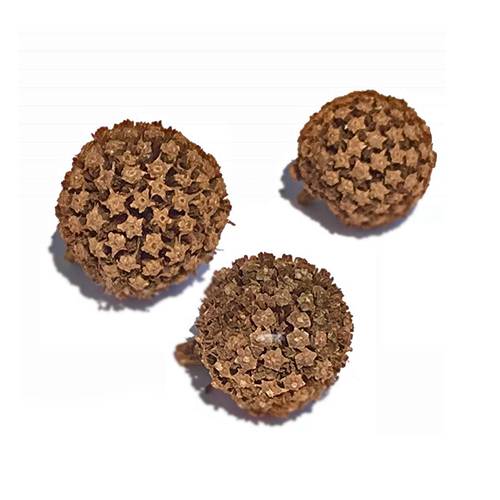

Various Mitragyna seed pods available from Mitra Science for cultivation
Seed Propagation
Critical Timing Information
Mitragyna seeds have an extremely short viability period - often just a few days after harvest. For successful germination, seeds must be planted immediately upon receipt. This is one of the most challenging aspects of cultivating Mitragyna species from seed.
Step-by-Step Seed Propagation Process:
- Seed Preparation: Obtain fresh seeds from a reliable source like Mitra Science's seed collection. Check for viability - viable seeds should be plump and show no signs of desiccation.
- Growing Medium: Prepare a sterile, well-draining seed starting mix. A combination of peat moss, perlite, and vermiculite in equal parts works exceptionally well. pH should be maintained between 5.5-6.5.
- Planting Technique: Scatter the tiny seeds on the soil surface with minimal coverage. The seeds require light for germination, so do not bury them deeply. A very light dusting of fine growing medium is sufficient.
- Moisture Management: Spray the surface with filtered water twice daily - once in the morning and once in the evening. Maintain consistent moisture without waterlogging.
- Light Exposure: Keep seeds in bright, indirect light or shade for the first 6-7 days. Direct sunlight can be too intense and may cause excessive moisture loss.
- Germination Timeline: With viable seeds and proper conditions, germination typically occurs within 3-7 days. Sprouted seedlings should then be gradually introduced to partial sunlight.
Stem Cutting Propagation
For many cultivators, stem cuttings offer a more reliable propagation method than seeds, particularly given the short viability period of Mitragyna seeds.

Mature, healthy Mitragyna leaves - indicators of successful cultivation
Cutting Propagation Protocol:
- Selecting Cuttings: Choose healthy stem sections 6-8 inches in length from semi-hardwood growth. Each cutting should have 2-3 nodes.
- Preparation: Make clean cuts at a 45-degree angle using sterilized pruning shears. Remove leaves from the bottom half of the cutting to prevent rot.
- Rooting Hormone Application: Dip the cut end in a rooting hormone powder or gel containing IBA (indole-3-butyric acid) at 0.3-0.8% concentration.
- Planting Medium: Insert cuttings into a sterile mix of perlite and peat moss (50:50 ratio) or use coconut coir as an alternative.
- Environmental Control: Maintain high humidity (85-95%) around the cuttings using a propagation dome or regular misting. Temperature should be kept at 75-80°F (24-27°C).
- Rooting Timeline: Root development typically occurs within 3-6 weeks. Once roots are 1-2 inches long, cuttings can be gradually acclimated to normal growing conditions.
Soil and Growing Media Requirements
The foundation of successful M. parvifolia cultivation lies in proper soil composition and management. These trees naturally grow in slightly acidic, well-draining soils rich in organic matter.

Proper soil management is essential for healthy Mitragyna cultivation
Ideal Soil Composition
| Component | Percentage | Purpose |
|---|---|---|
| High-Quality Potting Soil | 40% | Base structure and nutrient foundation |
| Perlite or Pumice | 20% | Drainage and aeration |
| Coconut Coir or Peat Moss | 20% | Moisture retention and pH buffering |
| Composted Organic Matter | 15% | Nutrient content and microbial activity |
| Worm Castings | 5% | Slow-release nutrients and beneficial microbes |
pH Management
Maintaining the correct pH level is critical for nutrient availability and overall plant health. M. parvifolia prefers slightly acidic conditions between pH 5.5-6.5. Regular monitoring with a quality pH meter is essential. If pH adjustment is needed:
- To Lower pH: Add elemental sulfur, aluminum sulfate, or iron sulfate
- To Raise pH: Incorporate dolomitic limestone or wood ash in small quantities

100% Vegan

Non GMO

Ethically Sourced

Lab Tested

No Artificials
Lighting Requirements
In their natural habitat, Mitragyna parvifolia trees grow in partially shaded forest understories when young, gradually receiving more light as they mature. Replicating this natural progression is key to successful controlled environment cultivation.
Natural Light Considerations
If growing in a greenhouse or space with natural light access:
- Seedlings (0-6 months): Bright indirect light or 30-40% shade cloth
- Young plants (6-18 months): Partial sun with 4-6 hours of direct morning light
- Mature trees (18+ months): Full sun to partial sun, with shade during peak afternoon heat
Artificial Lighting Systems
For indoor controlled environments, high-quality grow lights are essential:
- LED Grow Lights: Most energy-efficient option. Use full-spectrum LEDs with both vegetative (5000-6500K) and flowering (2700-3000K) spectrums. Maintain lights 18-24 inches above canopy.
- Photoperiod: M. parvifolia responds well to consistent light cycles. Maintain 16-18 hours of light during vegetative growth, with 6-8 hours of darkness.
- Light Intensity: Aim for 400-600 μmol/m²/s PPFD (Photosynthetic Photon Flux Density) for vegetative growth, increasing to 600-900 μmol/m²/s for mature trees.

The result of proper cultivation - premium quality Mitragyna powder
Watering and Irrigation Strategies
Proper water management is perhaps the most critical aspect of controlled environment cultivation. M. parvifolia requires consistent moisture but is susceptible to root rot if overwatered.
Watering Guidelines by Growth Stage
- Seedling Stage: Mist or lightly water 2 times daily to keep soil surface moist but not saturated. Use filtered or distilled water to prevent mineral buildup.
- Young Plants: Water when the top 1-2 inches of soil feel dry to the touch. This typically means watering every 2-3 days, but frequency varies with temperature and humidity.
- Established Trees: Deep watering once every 3-5 days, allowing the soil to partially dry between waterings. The frequency will depend on pot size, environmental conditions, and season.
Irrigation Systems
For larger controlled environment operations, automated irrigation systems provide consistency:
- Drip Irrigation: Preferred method for Mitragyna cultivation. Delivers water directly to the root zone, reducing water waste and minimizing foliar disease risk.
- Ebb and Flow Systems: Can work well for container-grown specimens, providing thorough watering followed by complete drainage.
- Hand Watering: For smaller operations, hand watering allows for individual plant assessment and care adjustment.
Water Quality Considerations
Water quality significantly impacts plant health. Avoid using heavily chlorinated tap water, as chlorine can damage beneficial soil microbes. If tap water must be used, let it sit for 24 hours to allow chlorine to dissipate, or use a carbon filter. Ideal water EC (electrical conductivity) should be below 0.5 mS/cm for pure irrigation water.
Nutrition and Fertilization
M. parvifolia has moderate to high nutritional requirements, particularly during active growth periods. A balanced fertilization program ensures robust growth and optimal alkaloid production.


Various high-quality Mitragyna products from expertly managed cultivation
Macronutrient Requirements
| Nutrient | Growth Stage | Ratio | Application Frequency |
|---|---|---|---|
| Nitrogen (N) | Vegetative | Higher (20-10-10) | Every 2 weeks |
| Phosphorus (P) | Root Development | Moderate (10-20-10) | Monthly |
| Potassium (K) | Mature Trees | Balanced (10-10-20) | Every 2-3 weeks |
Micronutrients
Don't overlook the importance of micronutrients (trace elements):
- Iron (Fe): Essential for chlorophyll production; deficiency causes yellowing of young leaves
- Magnesium (Mg): Central component of chlorophyll molecule
- Calcium (Ca): Important for cell wall structure and disease resistance
- Sulfur (S): Component of amino acids and proteins
- Manganese (Mn), Zinc (Zn), Copper (Cu), Boron (B): Required in trace amounts for various enzymatic processes
Organic vs. Synthetic Fertilizers
Organic Options:
- Fish emulsion (5-1-1) for vegetative growth
- Worm castings for slow-release nutrients
- Compost tea for microbial inoculation and mild feeding
- Kelp meal for micronutrients and growth hormones
- Bone meal for phosphorus during establishment
Synthetic Options:
- Water-soluble complete fertilizers (20-20-20 for general use)
- Controlled-release pellets for consistent feeding over 3-6 months
- Specific formulations targeting different growth stages
Pest and Disease Management
Controlled environments significantly reduce pest and disease pressure compared to outdoor cultivation, but vigilance is still required.
Common Pests
- Spider Mites: Tiny arachnids that create fine webbing. Control with neem oil, insecticidal soap, or predatory mites (Phytoseiulus persimilis).
- Aphids: Small sap-sucking insects. Remove with strong water spray or apply insecticidal soap.
- Mealybugs: White, cottony pests often found in leaf axils. Dab with rubbing alcohol or apply neem oil.
- Scale Insects: Hard or soft-bodied insects that attach to stems and leaves. Scrape off manually or treat with horticultural oil.
Disease Prevention
- Root Rot: Caused by overwatering and poor drainage. Prevention is key - ensure proper soil drainage and avoid standing water.
- Powdery Mildew: Fungal disease appearing as white powder on leaves. Maintain good air circulation and avoid overhead watering.
- Leaf Spot: Various bacterial and fungal pathogens. Remove affected leaves and improve air circulation.
Integrated Pest Management (IPM) Approach
Always start with the least toxic control methods: physical removal, beneficial insects, and cultural practices. Only resort to pesticides (organic or synthetic) when necessary, and always follow label instructions carefully. Remember that maintaining plant health through proper cultural practices is the best defense against pests and diseases.
Pruning and Canopy Management
Strategic pruning enhances plant structure, encourages branching, and maximizes leaf production - the ultimate goal for most M. parvifolia cultivators.
Pruning Techniques
- Formative Pruning (Young Trees): Begin when plants reach 12-18 inches in height. Pinch or cut the growing tip to encourage lateral branching. This creates a bushier plant structure ideal for controlled environments.
- Maintenance Pruning (Established Trees): Remove dead, diseased, or crossing branches. Thin the interior canopy to improve air circulation and light penetration.
- Selective Harvesting: When plants reach maturity (typically 2-3 years old with trunk diameter of at least 3 inches), you can begin selective leaf harvesting. Remove 30-50% of mature leaves, preserving younger growth.
Harvest Maturity Guidelines
Only harvest from trees that meet these criteria: minimum age of 2-3 years, trunk diameter of at least 3 inches, and height of 12-15 feet (or proportionally smaller in controlled environments). Premature harvesting can stress plants and reduce long-term productivity.

The evolution from wild harvesting to sustainable controlled cultivation
Container Selection and Repotting
For controlled environment cultivation, container selection and timely repotting are crucial for maintaining healthy root systems.
Container Guidelines
| Plant Age | Container Size | Material Recommendation |
|---|---|---|
| Seedlings (0-6 months) | 2-4 inch pots | Plastic nursery pots |
| Young plants (6-18 months) | 1-3 gallon pots | Fabric pots or plastic with drainage |
| Established trees (18+ months) | 5-15 gallon pots | Fabric pots (air pruning benefits) |
| Mature trees (3+ years) | 15-25 gallon pots | Large fabric or rigid containers |
Repotting Protocol
- Timing: Repot during active growth periods (spring or early summer). Avoid repotting during dormancy or stress periods.
- Signs for Repotting: Roots circling the container, water running straight through without absorption, slowed growth despite proper care.
- Process: Water plant 24 hours before repotting. Gently remove from current container, loosening circling roots. Place in new container with fresh growing medium, maintaining the same soil level on the stem.
- Post-Repotting Care: Water thoroughly after repotting. Reduce light intensity for 3-5 days to minimize transplant shock. Avoid fertilizing for 2-3 weeks.
Environmental Monitoring and Control Systems
Modern controlled environment cultivation relies on monitoring and automation to maintain optimal conditions consistently.
Essential Monitoring Equipment
- Temperature/Humidity Sensors: Digital sensors with data logging capabilities allow you to track environmental conditions over time and identify patterns.
- pH and EC Meters: Essential for monitoring soil and water quality. Calibrate regularly for accurate readings.
- Light Meters (PAR meters): Measure photosynthetically active radiation to ensure plants receive adequate light intensity.
- Moisture Meters: Soil moisture sensors help prevent over or under-watering.
Automation Options
- Climate Controllers: Integrate heating, cooling, and humidity systems to maintain target environmental conditions automatically.
- Irrigation Controllers: Automated watering systems based on timers or soil moisture readings.
- Lighting Timers: Essential for maintaining consistent photoperiods.
- Ventilation Systems: Automatically controlled exhaust fans and intake vents maintain fresh air exchange.
Harvesting and Post-Harvest Processing
Once your M. parvifolia trees reach maturity, you can begin harvesting leaves for processing. Proper harvesting and processing techniques preserve alkaloid content and ensure quality.
Harvesting Guidelines
- Leaf Selection: Choose mature, fully expanded leaves. Avoid young shoots and damaged foliage.
- Harvesting Method: Use clean, sharp scissors or pruning shears. Cut leaf stems cleanly without tearing.
- Sustainable Harvesting: Remove no more than 30-50% of leaves per harvest. Allow 4-6 weeks between harvests for recovery.
- Timing: Harvest in the morning after dew has dried but before peak heat for optimal alkaloid content.
Drying Process
- Initial Cleaning: Gently rinse leaves with clean water if necessary. Pat dry with clean towels.
- Drying Environment: Maintain temperature of 70-85°F (21-29°C) with relative humidity of 45-55%. Good air circulation is essential.
- Drying Method: Spread leaves in a single layer on drying racks or screens. Avoid direct sunlight, which can degrade alkaloids.
- Duration: Complete drying typically requires 1-3 days. Leaves should be crisp and crumbly when fully dry.
- Quality Check: Properly dried leaves retain their green color (or develop appropriate vein color). Avoid over-drying, which can lead to brittleness and alkaloid loss.
Processing Options
After drying, leaves can be processed into various forms:
- Whole Dried Leaves: Store in airtight containers away from light and moisture
- Crushed Leaves: Manually crush or use grinders - view crushed leaf products
- Fine Powder: Mill dried leaves into fine powder - see powdered extract products
Scaling Your Operation
As you gain experience with M. parvifolia cultivation, you may want to expand your operation. Here are considerations for scaling up:
Small-Scale (Hobby/Research)
- Space: 50-200 square feet
- Plant Count: 5-20 trees
- Investment: $500-$2,000 for setup
- Focus: Personal cultivation, variety trials, learning
Medium-Scale (Commercial Startup)
- Space: 500-2,000 square feet
- Plant Count: 50-200 trees
- Investment: $10,000-$50,000 for professional setup
- Focus: Consistent production, product development, market testing
Large-Scale (Established Commercial)
- Space: 5,000+ square feet
- Plant Count: 500+ trees
- Investment: $100,000+ for comprehensive facility
- Focus: Volume production, multiple product lines, wholesale distribution
Start Your Cultivation Journey with Mitra Science
Whether you're beginning your first controlled environment grow or expanding an existing operation, Mitra Science provides the materials and expertise you need:
Legal and Regulatory Considerations
Important Legal Notice
Before beginning cultivation of Mitragyna parvifolia or any Mitragyna species, research the legal status in your jurisdiction. While M. parvifolia is generally less regulated than M. speciosa (kratom), laws vary by country, state, and even local municipalities. Ensure full compliance with all applicable regulations regarding cultivation, possession, and processing of botanical materials.
Resources for Continued Learning
Successful cultivation requires ongoing education. Mitra Science offers valuable resources for growers:
- Mitra Science Blog: Regular articles on cultivation techniques, species profiles, and industry news
- Harvesting & Replanting Protocols: Detailed sustainable cultivation guide
- Soil Management Guide: Comprehensive soil care for Mitragyna species
- Sustainable Sourcing Practices: Ethical botanical conservation approaches
- Direct Support: Contact Mitra Science experts for cultivation advice and product recommendations
Conclusion
Growing Mitragyna parvifolia in controlled environments presents unique opportunities for botanical researchers, cultivation enthusiasts, and commercial growers. This comprehensive guide has covered the essential aspects of successful cultivation, from propagation through harvest and processing.
Key takeaways for successful M. parvifolia cultivation include:
- Maintain consistent environmental conditions matching the species' tropical origins
- Use well-draining, slightly acidic growing media rich in organic matter
- Provide appropriate lighting that transitions from partial shade to fuller sun as plants mature
- Implement careful water management to prevent both drought stress and root rot
- Apply balanced nutrition tailored to growth stage and plant needs
- Practice integrated pest management prioritizing prevention
- Harvest sustainably, allowing adequate time for plant recovery
- Process leaves carefully to preserve alkaloid content and quality
Whether you're cultivating a single tree for research purposes or developing a commercial operation, the principles outlined in this guide will help you achieve success. Remember that cultivation is an iterative learning process - observe your plants closely, keep detailed records, and adjust your practices based on results.
Mitra Science remains committed to supporting the botanical community with high-quality materials, comprehensive resources, and expert guidance. Our complete line of M. parvifolia products represents the culmination of sustainable cultivation practices and rigorous quality standards.
Ready to Begin Your Cultivation Journey?
Explore Mitra Science's complete collection of Mitragyna parvifolia products and cultivation materials:
- Mitragyna Parvifolia Collection - Complete product line
- Seeds Collection - Fresh botanical seeds for cultivation
- Live Trees - Starter plants ready for your controlled environment
- Powdered Leaves - Premium processed materials
- Crushed Leaves - High-quality botanical materials
