

How to Germinate Rare Mitragyna Seeds Successfully
A Complete Guide to Growing Mitragyna Speciosa, Hirsuta, Javanica, and Parvifolia from Seeds
Growing Mitragyna trees from seeds is a rewarding journey that requires patience, knowledge, and the right techniques. Whether you're cultivating Mitragyna speciosa (commonly known as kratom), Mitragyna hirsuta, Mitragyna javanica, or Mitragyna parvifolia, understanding proper germination methods is crucial for success. This comprehensive guide will walk you through every step of the germination process, from seed selection to transplanting your seedlings.

Understanding Mitragyna Seeds: The Foundation of Success

Mitragyna seeds are unique botanical specimens that require specific conditions for successful germination. These seeds come from tropical trees native to Southeast Asia and Africa, and they have evolved to thrive in warm, humid environments with consistent moisture.
Seed Viability: Time is Critical
One of the most important factors in Mitragyna seed germination is freshness. Unlike many other plant seeds that can remain viable for months or even years, Mitragyna seeds have a relatively short viability window. Fresh seeds typically maintain their germination potential for only 2-4 weeks after harvest.
This short viability period means that sourcing fresh, high-quality seeds is paramount to your success. When purchasing seeds, always verify the harvest date and ensure they've been stored properly in cool, dry conditions. Seeds that have been exposed to excessive heat, moisture, or light will have significantly reduced germination rates.
Critical Timing Note
Mitragyna seeds lose viability rapidly. For best results, plant seeds within 1-2 weeks of receiving them. Seeds older than 3-4 weeks may have germination rates below 20%, compared to 60-80% for fresh seeds.
Types of Mitragyna Seeds Available
At Mitra Science, we offer seeds from several distinct Mitragyna species, each with unique characteristics and growth requirements:

Mitragyna Speciosa Seeds
The most sought-after species, native to Thailand, Indonesia, and Malaysia. These seeds produce trees with distinctive large leaves.
Available: 1, 5, 10, or 20 seed pods
View Product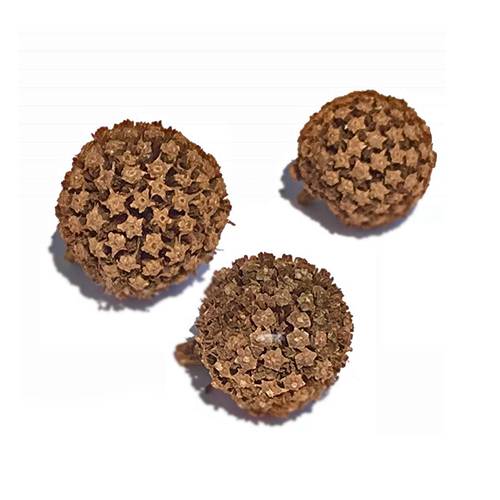
Mitragyna Hirsuta Seeds
Known as "Kra Thum Kok" in Thailand, this species is more cold-tolerant and easier to grow than M. speciosa.
Growth: Faster germination rates
Learn More
Mitragyna Parvifolia Seeds
Indian native species known as "Kadamb," featuring beautiful orange-red flowers and traditional uses.
Features: Ornamental flowers
Learn More
Mitragyna Javanica Seeds
Southeast Asian species with similar characteristics to M. speciosa, excellent for tropical cultivation.
Climate: Tropical/subtropical
Learn MoreEssential Supplies for Germination

Before beginning the germination process, gather these essential materials:
- Fresh Mitragyna Seeds: Source from reputable suppliers like Mitra Science
- High-Quality Growing Medium: Peat moss, coco coir, or specialized seed starting mix
- Containers: Seed trays, small pots (2-3 inch), or biodegradable pots
- Humidity Dome or Clear Plastic Wrap: To maintain moisture levels
- Heat Mat (optional but recommended): Maintains optimal soil temperature of 75-85 degrees F
- Spray Bottle: For gentle watering without disturbing seeds
- pH-Balanced Water: Filtered or distilled water with pH 6.0-6.5
- Grow Light (optional): For areas with insufficient natural light
- Fungicide (optional): Natural anti-fungal treatment for seed protection
Step-by-Step Germination Process
Step 1: Seed Preparation and Inspection
Begin by carefully examining your seeds. Fresh Mitragyna seeds should have a light to medium brown color and feel slightly moist to the touch. Discard any seeds that appear dried out, discolored, or damaged.
Remove seeds from their pods carefully. Each pod typically contains multiple small seeds surrounded by papery wing-like structures. These structures can be left attached or gently removed.
Expert Tip: The Float Test
While not 100% accurate, you can perform a float test by placing seeds in a cup of room-temperature water. Seeds that sink are more likely to be viable, while floating seeds may be hollow or dried out. However, plant all seeds regardless of this test, as fresh Mitragyna seeds can sometimes float due to their wing structures.
Step 2: Preparing the Growing Medium

The growing medium should be light, well-draining, and able to retain moisture without becoming waterlogged. A recommended mixture includes:
- 50% peat moss or coco coir
- 30% perlite or vermiculite
- 20% compost or worm castings
Moisten the growing medium thoroughly before filling your containers. It should be damp enough that water drips out when squeezed, but not so wet that it's muddy. Fill containers to within 1/2 inch of the rim.
Step 3: Planting the Seeds
- Surface Sowing: Mitragyna seeds require light for germination, so they should be placed on the surface of the soil rather than buried.
- Spacing: Space seeds about 1 inch apart to allow for adequate air circulation and prevent crowding.
- Light Coverage: Very lightly press seeds into the soil surface or cover with a thin layer (1-2mm) of fine, sifted growing medium.
- Initial Watering: Mist the surface gently with a spray bottle to settle the seeds without displacing them.
Step 4: Creating the Optimal Environment

Mitragyna seeds require specific environmental conditions for successful germination:
| Environmental Factor | Optimal Range | Critical Notes |
|---|---|---|
| Temperature | 75-85 degrees F (24-29 degrees C) | Consistency is key; use heat mat if ambient temperature fluctuates |
| Humidity | 80-90% | Use humidity dome or plastic wrap with ventilation holes |
| Light | Bright indirect light | 12-16 hours daily; avoid direct sunlight which can overheat |
| Moisture | Consistently moist | Never allow soil to dry out completely; mist 2-3 times daily |
| Air Circulation | Gentle airflow | Open humidity dome for 15 minutes twice daily to prevent mold |
Common Mistake to Avoid
Many growers create too much humidity with no air circulation, leading to fungal problems. Always ensure some air exchange even when maintaining high humidity. Remove the humidity dome for 10-15 minutes twice daily.
Step 5: Daily Maintenance Routine
Successful germination requires consistent daily care:
-
Morning (8-9 AM):
- Check soil moisture level
- Mist with spray bottle if surface appears dry
- Remove humidity dome for 15 minutes
- Check for any signs of mold or fungus
-
Afternoon (2-3 PM):
- Check moisture again
- Mist if needed
- Ensure temperature remains stable
-
Evening (7-8 PM):
- Final moisture check
- Light misting if necessary
- Remove humidity dome for 15 minutes
- Check for any germination
Germination Timeline: What to Expect

Understanding the germination timeline helps set realistic expectations:
Days 1-3: Initial Hydration
Seeds absorb water and begin internal metabolic processes. No visible changes yet. Continue maintaining moisture and temperature.
Days 4-7: Germination Begins
Fresh, viable seeds typically begin showing signs of germination during this period. Look for small white radicles (root tips) emerging from the seeds. This is when you'll see the first indication of success.
Days 8-14: Sprouting Phase
Seedlings push through the soil surface, displaying their first set of cotyledon leaves (seed leaves). These initial leaves are small and oval-shaped, different from the mature leaf form.
Days 15-21: Early Growth
True leaves begin to develop. These will have the characteristic shape of the Mitragyna species you're growing. Continue maintaining high humidity and consistent moisture.
Weeks 4-8: Establishment Phase
Seedlings develop multiple sets of true leaves and establish stronger root systems. Begin gradually reducing humidity and increasing air circulation during this phase.
Success Rates to Expect
Fresh seeds (1-2 weeks old): 60-80% germination rate
Moderately fresh (2-3 weeks old): 30-50% germination rate
Older seeds (3-4 weeks): 10-30% germination rate
Seeds over 4 weeks old: Below 10% germination rate
Troubleshooting Common Germination Problems
Problem: No Germination After 14 Days
Possible Causes:
- Seeds were not fresh enough
- Temperature too low or too high
- Soil dried out at critical germination phase
- Seeds planted too deep
Solutions:
- Verify your heat source maintains 75-85 degrees F consistently
- Ensure soil surface never completely dries
- Source fresher seeds for your next attempt
- Continue maintaining conditions for up to 21 days before giving up
Problem: Fungal Growth (White, Green, or Black Mold)

Possible Causes:
- Excessive humidity with poor air circulation
- Overwatering
- Contaminated growing medium
- Poor ventilation
Solutions:
- Remove humidity dome for longer periods
- Increase air circulation with a small fan on low setting
- Apply natural anti-fungal treatment (chamomile tea or cinnamon powder)
- Reduce watering frequency while maintaining moisture
- Remove any affected seedlings immediately
Problem: Seedlings Damping Off (Falling Over)
Possible Causes:
- Fungal disease attacking stem base
- Overwatering
- Insufficient light causing weak, leggy growth
Solutions:
- Improve air circulation immediately
- Allow soil surface to dry slightly between waterings
- Increase light intensity
- Apply anti-fungal treatment preventatively
Problem: Leggy, Stretched Seedlings
Possible Causes:
- Insufficient light intensity
- Light source too far from seedlings
- Excessive heat
Solutions:
- Move seedlings closer to light source
- Increase daily light exposure to 14-16 hours
- Consider supplementing with grow lights
- Reduce temperature slightly if above 85 degrees F
Caring for Young Seedlings

Once your seeds have successfully germinated and developed their first true leaves, care requirements shift slightly:
Watering
Transition from misting to gentle bottom watering. Allow the top 1/4 inch of soil to dry between waterings, but never let the soil dry out completely. Young Mitragyna seedlings are still very sensitive to drought stress.
Humidity
Gradually reduce humidity over 2-3 weeks from 85-90% down to 60-70%. Do this by increasing ventilation time and eventually removing the humidity dome for longer periods until seedlings adjust to ambient humidity.
Fertilization
Wait until seedlings have at least 2-3 sets of true leaves before introducing any fertilizer. When ready, use a diluted (1/4 strength) balanced fertilizer (10-10-10 or similar) once every two weeks. Over-fertilizing young seedlings can cause root burn and stunted growth.
Light
Maintain 12-16 hours of bright, indirect light daily. As seedlings mature, they can tolerate increasingly direct sunlight. Begin with morning sun exposure and gradually increase over several weeks.
Transplanting Seedlings
When seedlings reach 3-4 inches in height and have several sets of true leaves (typically 6-8 weeks after germination), they're ready for transplanting:
Transplanting Steps:
- Prepare larger containers: Use 4-6 inch pots with drainage holes
- Create richer growing medium: Mix 40% potting soil, 30% compost, 20% perlite, 10% worm castings
- Water seedlings thoroughly: 1-2 hours before transplanting to reduce root shock
- Gently remove seedlings: Support the base of the stem and carefully lift, keeping as much root structure intact as possible
- Plant at same depth: Don't bury the stem deeper than it was growing previously
- Water well after transplanting: Settle soil around roots
- Provide shade for 3-5 days: Allow seedlings to recover from transplant shock
Reduce Transplant Shock
Consider using biodegradable pots for initial germination. These can be planted directly into larger containers without disturbing roots, significantly reducing transplant shock and improving survival rates.
Long-Term Care and Growth Expectations

After successful transplanting, your Mitragyna seedlings will continue to require specific care as they mature into young trees:
Indoor Growing
- Light: Bright, indirect light or grow lights for 12-14 hours daily
- Temperature: Maintain 70-85 degrees F consistently
- Humidity: Keep at 60-70%
- Watering: Allow top 1-2 inches to dry between waterings
- Fertilization: Monthly during growing season with balanced fertilizer
Outdoor Growing (Climate Permitting)
- Hardening Off: Gradually acclimate seedlings over 2-3 weeks before permanent outdoor placement
- Location: Partial shade initially, transitioning to full sun over several months
- Temperature: Only suitable for USDA zones 10-11; protect from temperatures below 50 degrees F
- Soil: Rich, well-draining, slightly acidic (pH 5.5-6.5)
- Protection: Shield from strong winds and extreme weather
Growth Rates by Species
| Species | First Year Growth | Maturity Time | Cold Tolerance |
|---|---|---|---|
| Mitragyna speciosa | 12-24 inches | 3-5 years | Sensitive; no frost tolerance |
| Mitragyna hirsuta | 18-30 inches | 2-4 years | More tolerant; can handle brief cool periods |
| Mitragyna javanica | 15-25 inches | 3-5 years | Similar to M. speciosa |
| Mitragyna parvifolia | 12-20 inches | 4-6 years | Moderate; can tolerate cooler conditions |
Source Quality Seeds from Mitra Science
Start Your Growing Journey Today
Success begins with fresh, viable seeds. Mitra Science offers premium-quality Mitragyna seeds with verified freshness and proper storage.
Visit our Seeds Collection to explore all available species, or check out our Live Trees if you prefer starting with established plants.
Shop Seeds Now View Live TreesAdditional Resources at Mitra Science
Beyond seeds, Mitra Science offers a complete range of Mitragyna products for enthusiasts, cultivators, and researchers:
- Live Trees: Skip germination with established Mitragyna trees
- Powdered Leaves: From $85.00 for 1kg, bulk pricing available up to 500kg
- Crushed Leaves: Minimally processed botanical material
- Extracts: Concentrated botanical extracts for research
- Mitragyna Hirsuta Products: Complete range including 25:1 and 100:1 extracts
- Mitragyna Javanica Products: Alternative species products
- Mitragyna Parvifolia Products: Indian Kadamb tree materials
Quality Assurance and Ethical Sourcing
At Mitra Science, we're committed to providing the highest quality botanical materials while maintaining ethical and sustainable practices:
- Lab Tested: All products undergo rigorous third-party testing for quality and purity
- 100% Vegan: No animal products or testing
- Non-GMO: All plants are naturally cultivated without genetic modification
- Ethically Sourced: We work directly with sustainable farms and growers
- No Artificials: No artificial additives, preservatives, or processing chemicals
Conclusion: Patience and Persistence Pay Off
Germinating rare Mitragyna seeds successfully requires attention to detail, consistent care, and patience. While these seeds can be challenging due to their short viability window and specific environmental needs, following the guidelines in this comprehensive guide will maximize your success rate.
Remember these key takeaways:
- Always source the freshest seeds possible
- Maintain consistent temperature (75-85 degrees F) and high humidity (80-90%)
- Never let soil dry out during germination
- Provide adequate light without direct sun exposure
- Be patient - germination can take 7-14 days for fresh seeds
- Maintain good air circulation to prevent fungal issues
- Gradually acclimate seedlings to lower humidity and stronger light
Whether you're growing Mitragyna speciosa, M. hirsuta, M. javanica, or M. parvifolia, the reward of watching these remarkable tropical trees develop from tiny seeds into mature specimens is truly gratifying. With proper care and favorable conditions, your seedlings will grow into healthy trees that can thrive for decades.
Ready to Begin Your Cultivation Journey?
Browse our complete selection of fresh Mitragyna seeds, live trees, and botanical products.
Contact us: +1-347-486-4872 | info@mitrascience.com
Connect with us:
Facebook | Instagram | Twitter | YouTube
Visit Mitra ScienceAbout Mitra Science
Mitra Science is a leading wholesale supplier of premium Mitragyna products, including seeds, live trees, powdered leaves, crushed leaves, and extracts. We source our products from the best producers around the world, ensuring quality, freshness, and cultivation practices. With locations serving the US, EU, and Indonesia, we're committed to being a leader in both the research and supply of all Mitragyna species.
Shop with confidence: 100% secured shopping, lab-tested products, and dedicated customer support.