


The longevity of kratom products represents a critical yet often overlooked aspect of quality management. Understanding how kratom degrades over time, what factors accelerate deterioration, and how to maximize shelf life enables consumers and businesses to maintain product quality and potency. This comprehensive exploration examines the science of kratom storage, degradation mechanisms, and best practices for preserving alkaloid content and freshness.
The Chemistry of Kratom Degradation
Kratom's active compounds, particularly mitragynine and 7-hydroxymitragynine, are organic molecules susceptible to chemical degradation through various mechanisms. Understanding these degradation pathways provides the foundation for effective storage strategies.
Oxidation represents the primary degradation mechanism affecting kratom alkaloids. When exposed to oxygen, these compounds undergo chemical reactions that alter their molecular structure, potentially reducing potency and changing the overall alkaloid profile. This process accelerates in the presence of light, heat, and moisture.
Light-Induced Photodegradation
Ultraviolet and visible light can break chemical bonds in alkaloid molecules through a process called photodegradation. Premium kratom powders stored in clear containers exposed to light degrade significantly faster than those protected from light exposure.
Research on plant alkaloids demonstrates that photodegradation can reduce alkaloid content by 20-50% over several months when products are stored in clear containers under typical indoor lighting. This degradation explains why quality-focused suppliers package kratom in opaque containers or amber glass that blocks harmful light wavelengths.
Environmental Factors Affecting Shelf Life
Multiple environmental variables influence how quickly kratom degrades. Understanding and controlling these factors represents the key to maximizing product longevity.
Temperature Impact on Alkaloid Stability
Temperature significantly affects the rate of chemical reactions, including degradation processes. Higher temperatures accelerate oxidation and other degradation mechanisms, while cooler storage slows these reactions.

Studies on alkaloid-containing plants suggest that for every 10°C (18°F) increase in storage temperature, degradation rates approximately double. Kratom stored at room temperature (20-25°C or 68-77°F) maintains quality longer than product exposed to higher temperatures, while refrigerated storage can extend shelf life significantly.
For wholesale customers purchasing large quantities like 100kg or 500kg, temperature-controlled storage becomes especially critical to preserve investment value over time.
Humidity and Moisture Content
Moisture represents a major threat to kratom shelf life through multiple mechanisms. High humidity can lead to:
- Microbial growth including mold and bacteria
- Accelerated oxidation reactions
- Clumping that indicates moisture absorption
- Chemical degradation of alkaloids

Properly processed kratom powder typically contains 8-10% moisture content. Storage in environments exceeding 60% relative humidity can cause products to absorb atmospheric moisture, creating conditions favorable for microbial growth and chemical degradation.
High-quality suppliers like Mitra Science conduct microbial testing including "Yeast and Mold" and "Total Aerobic Plate Count" to ensure products meet safety standards. However, even initially clean products can develop contamination if stored under humid conditions.
Oxygen Exposure and Oxidative Degradation
Atmospheric oxygen drives oxidative degradation of kratom alkaloids. Products packaged in permeable materials or containers with excess headspace expose kratom to ongoing oxidation throughout storage.
Packaging Technology and Oxygen Barriers
Modern packaging technologies employ various strategies to minimize oxygen exposure:
- Vacuum sealing: Removes air from packages, dramatically reducing oxygen contact
- Nitrogen flushing: Replaces atmospheric oxygen with inert nitrogen gas
- Oxygen absorber packets: Chemical absorbers that scavenge residual oxygen
- Barrier films: Multi-layer packaging materials that minimize oxygen permeation
Products packaged with these technologies maintain potency significantly longer than those in basic zip-lock bags or poorly sealed containers. Wholesale bulk kratom shipments often utilize multiple packaging layers to protect contents during extended storage and distribution.
Expected Shelf Life Under Various Conditions
Kratom shelf life varies dramatically based on storage conditions. Understanding realistic expectations helps consumers and businesses plan inventory management and purchasing strategies.
Optimal Storage Conditions
Under ideal storage conditions—cool temperatures (15-20°C or 59-68°F), low humidity (below 50% RH), protected from light, and sealed in oxygen-barrier packaging—high-quality kratom powder can maintain potency for 1-2 years or potentially longer.
Some evidence suggests that properly stored kratom may remain viable for 3-4 years, though gradual alkaloid degradation occurs even under optimal conditions. After this period, products typically remain safe if no microbial contamination occurred, but potency decreases noticeably.
Typical Storage Conditions
Under more typical storage conditions—room temperature (20-25°C or 68-77°F), moderate humidity, stored in opaque containers but not specially packaged—kratom generally maintains good quality for 6-12 months. After this period, noticeable potency loss becomes more likely.

Products like Yellow Maeng Da, which undergoes specific processing, may have slightly different degradation rates compared to standard green or red varieties, though general storage principles remain consistent.
Poor Storage Conditions
Kratom stored under unfavorable conditions—high temperatures, elevated humidity, exposure to light, or in permeable packaging—can degrade substantially within 3-6 months. Under particularly poor conditions, microbial contamination may occur even sooner.
Signs of Kratom Degradation
Recognizing degradation indicators helps consumers identify when kratom has passed its optimal freshness window. Several observable changes signal quality decline.
Color Changes
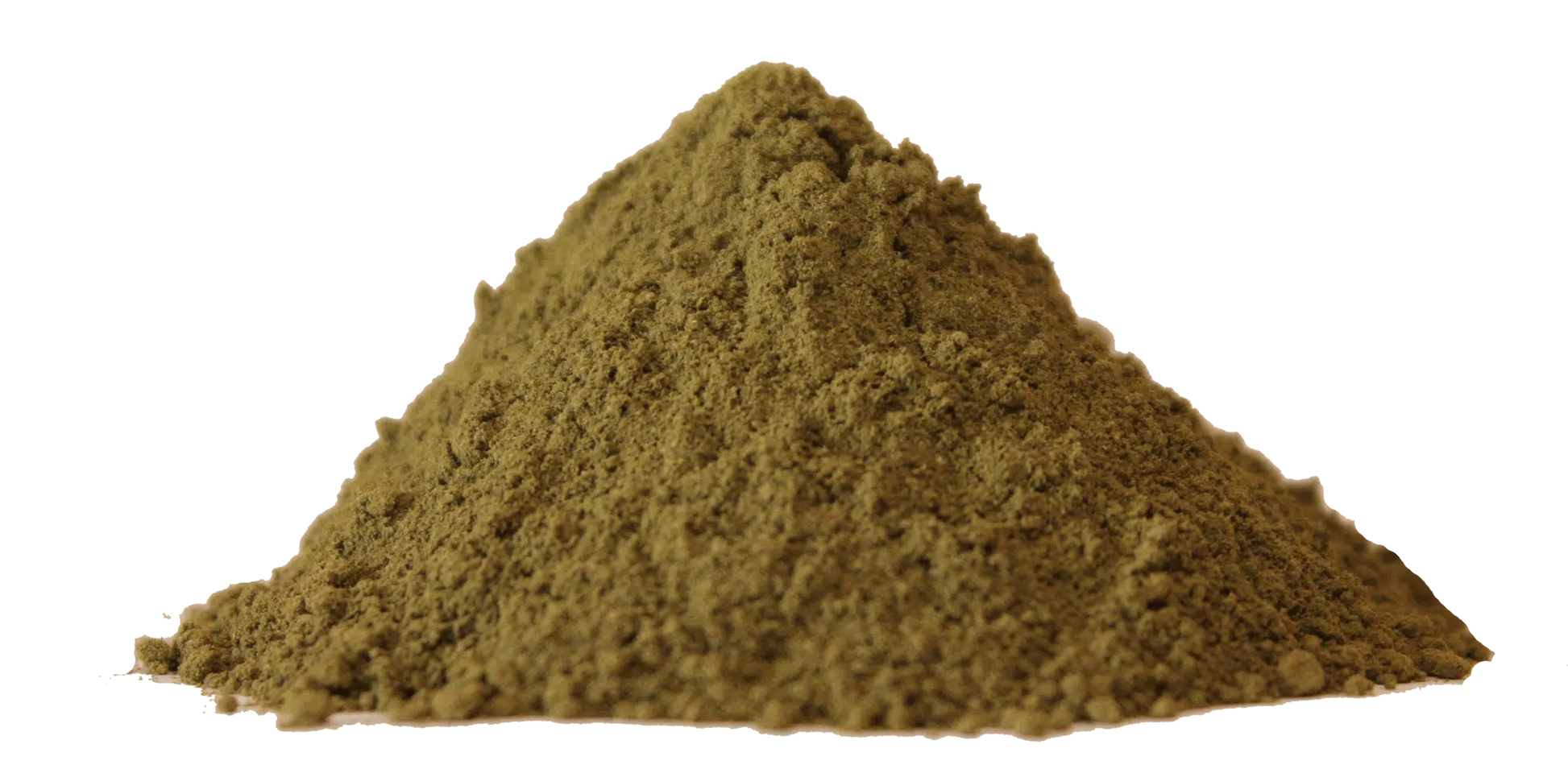
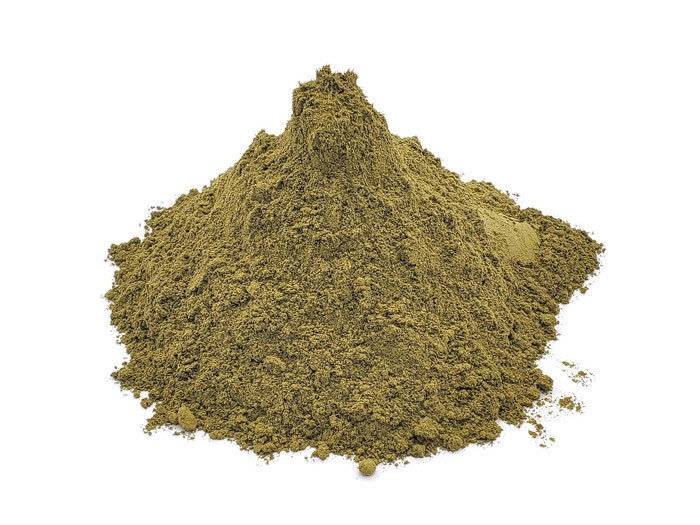
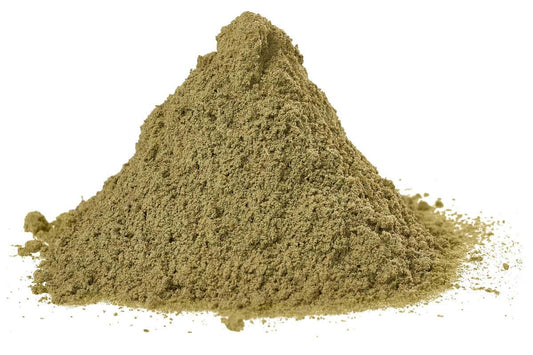
Fresh kratom powder exhibits characteristic colors depending on vein type—vibrant green for green strains, reddish-brown for red varieties, and lighter tones for white strains. As kratom ages, these colors may dull or darken, indicating oxidation and chemical changes.
Significant color darkening, particularly browning of green strains, suggests substantial oxidative degradation. While color changes don't necessarily indicate safety concerns, they correlate with alkaloid loss.
Aroma Alterations
Fresh kratom possesses a characteristic earthy, slightly bitter aroma with vegetal notes. As products age, this aroma may become musty, flat, or develop off-odors suggesting degradation or contamination.

Quality control protocols at facilities like Mitra Science include organoleptic testing that evaluates "Aroma" to "identify products based upon conformance, of aroma, to a known standard." This sensory assessment helps detect degradation before it becomes severe.
Texture and Clumping
Fresh kratom powder flows freely with a fine, flour-like consistency. Moisture absorption causes clumping, creating aggregated particles that don't break apart easily. Severe clumping indicates significant moisture exposure and potential quality compromise.
Premium powders like White Bali kratom ground to ultra-fine consistency are particularly susceptible to clumping if exposed to humidity. Proper storage prevents this texture degradation.
Extract and Specialty Product Considerations
Kratom extracts and specialty products present unique shelf life considerations compared to standard powdered leaf.
Concentrated Extract Stability
Kratom extracts containing concentrated alkaloids theoretically face greater oxidative stress due to higher alkaloid densities. However, properly processed and packaged extracts can achieve good stability.

Products like 50% Mitragynine extracts require particularly careful storage due to their concentrated nature. These premium products justify investment in superior packaging and storage conditions.
Liquid Product Shelf Life
Kratom shots and liquid extracts face additional stability challenges. The liquid matrix can support microbial growth if contamination occurs, and alkaloids suspended in liquid may degrade differently than those in dry powder.
Manufacturers of products like Premium Kratom Shots with 40mg MIT typically include preservatives and employ specialized packaging to achieve adequate shelf life. These products often carry expiration dates reflecting their more limited stability compared to dry powder.
Gummy and Solid Formulations
Kratom gummies and other solid formulations incorporate kratom extract into food matrices. The shelf life of these products depends on both the kratom extract stability and the food product's preservation.

Products like Kratom Extract Gummies with 60% Mitragynine must meet both kratom quality standards and food safety requirements. Proper packaging and defined expiration dates help ensure these products maintain quality throughout their intended shelf life.
Best Practices for Maximizing Kratom Longevity
Implementing proper storage protocols significantly extends kratom shelf life, protecting both product quality and financial investment.
Consumer Storage Recommendations
Individual consumers can maximize kratom freshness through simple practices:
- Transfer to airtight containers: If kratom arrives in permeable packaging, transfer to glass jars or quality food storage containers with tight seals
- Store in cool, dark locations: Pantries, cupboards, or dedicated storage areas away from heat sources and light exposure
- Consider refrigeration: For long-term storage, refrigerator or even freezer storage can dramatically extend shelf life, though condensation management is critical
- Minimize air exposure: Don't leave containers open unnecessarily; seal immediately after use
- Use smaller containers: Divide large quantities into smaller containers to minimize air exposure to the main supply
Commercial Storage Protocols
Businesses managing wholesale inventories require more sophisticated storage systems. Commercial customers purchasing bulk quantities from 25kg to 500kg should implement:
- Climate-controlled storage facilities maintaining consistent temperature and humidity
- Inventory rotation systems ensuring older stock moves first (FIFO - First In, First Out)
- Regular quality monitoring through alkaloid testing at defined intervals
- Proper ventilation preventing moisture accumulation
- Pest control measures protecting against contamination

The Economics of Shelf Life Management
Shelf life considerations carry significant economic implications for both suppliers and consumers. Understanding these economics helps optimize purchasing and inventory strategies.
Bulk Purchasing and Rotation
Volume discounts on bulk kratom purchases create financial incentives to buy larger quantities. For example, buying 100kg at $40/kg instead of 25kg at $55/kg saves $1,500—a substantial discount.
However, these savings evaporate if poor storage causes quality degradation before the kratom can be used. Businesses must balance volume discount benefits against storage costs and degradation risks, finding the optimal purchase quantity based on consumption rate and storage capabilities.
Quality Loss and Replacement Costs
Degraded kratom represents not just lost alkaloid content but complete product value loss. A 100kg purchase at $4,000 becomes worthless if neglected storage allows severe degradation or contamination.
Investing in proper storage infrastructure—climate control, quality packaging, monitoring systems—costs money but protects against much larger potential losses from product degradation.
Testing and Monitoring Shelf Life
Objective assessment of kratom shelf life requires analytical testing rather than relying solely on appearance or age.
Alkaloid Content Testing Over Time
HPLC testing quantifying mitragynine and other alkaloids provides objective data about potency changes over time. Baseline testing at receipt followed by periodic retesting enables precise monitoring of degradation rates under actual storage conditions.
Suppliers like Mitra Science working with certified laboratories can provide initial certificates of analysis. Businesses storing kratom long-term may benefit from periodic retesting to verify continued quality.
Microbial Testing Importance
While alkaloid degradation represents the primary concern with dry kratom powder, microbial contamination can occur if storage conditions allow moisture accumulation. Periodic testing for "Yeast and Mold," "E. Coli," and "Salmonella" as described in Mitra Science's testing protocols helps ensure product safety throughout storage.
Seasonal Considerations and Climate Impact
Geographic location and seasonal variations affect kratom storage requirements. Summer heat and humidity pose greater challenges than winter conditions in most climates.
Businesses in tropical or subtropical regions face year-round temperature and humidity challenges requiring climate-controlled storage. Those in temperate climates may achieve adequate storage conditions with simpler measures during cooler months but need enhanced controls during summer.
Future Technologies for Shelf Life Extension
Emerging technologies may further extend kratom shelf life and improve quality preservation. Advanced packaging materials, modified atmosphere packaging, and innovative preservation techniques continue developing.
Freeze-drying technology, which removes moisture while preserving alkaloid content, might offer enhanced stability for certain applications. Encapsulation technologies protecting alkaloids from environmental exposure could extend shelf life significantly.
As the kratom industry matures, investment in research and development around preservation technologies will likely accelerate, offering consumers and businesses even better tools for maintaining product quality over time.
For those seeking kratom products with optimal freshness and maximum remaining shelf life, purchasing from suppliers with high inventory turnover and proper storage practices—like Mitra Science with their comprehensive quality protocols—helps ensure products arrive fresh with maximal remaining shelf life. Their commitment to quality testing and proper handling supports both immediate quality and long-term stability.