


Pest Management for Rare Mitragyna Plants
Comprehensive Protection Strategies for Your Botanical Investment

Premium quality Mitragyna cultivation and supply - Mitrascience leads the industry in botanical excellence
Introduction to Mitragyna Pest Management
Rare Mitragyna species represent a significant botanical and commercial investment. These tropical plants, including Mitragyna speciosa (kratom), Mitragyna hirsuta, Mitragyna javanica, and Mitragyna parvifolia, require specialized pest management protocols to maintain their health and alkaloid profiles. At Mitrascience, we understand that proper pest control is essential for cultivating these valuable specimens.
Whether you're cultivating live Mitragyna trees or managing large-scale operations, implementing effective pest management strategies protects your investment and ensures optimal plant development. This comprehensive guide draws from industry best practices and scientific research to help growers maintain healthy Mitragyna specimens.

Live Mitragyna speciosa tree (4-6 inch) - Fresh tropical houseplant available from $120 USD for 1 plant to $1,680 USD for 20 plants
Understanding Mitragyna Species and Their Vulnerabilities
Common Mitragyna Species in Cultivation
Different Mitragyna species present unique challenges for pest management. Understanding your specific species is crucial for developing effective protection strategies:
- Mitragyna speciosa (Kratom) - The most commercially valuable species, native to Southeast Asia, requiring warm, humid conditions
- Mitragyna hirsuta - Known as Kra Thom Kok, this species is more pest-resistant but still requires vigilant monitoring
- Mitragyna javanica - A closely related species with similar cultivation requirements
- Mitragyna parvifolia - Also called Kadamb, this Indian species has distinct environmental needs
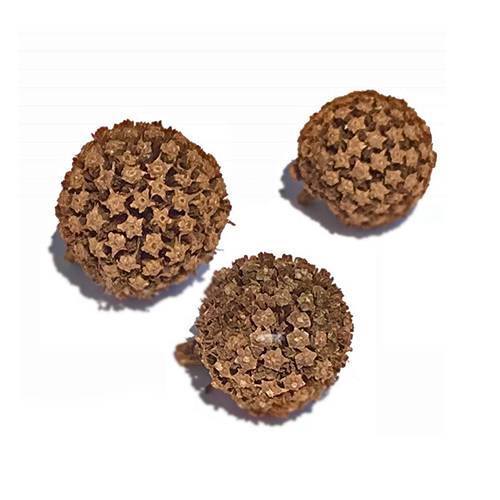
Fresh Mitragyna speciosa seeds - From $40 USD per seed pod
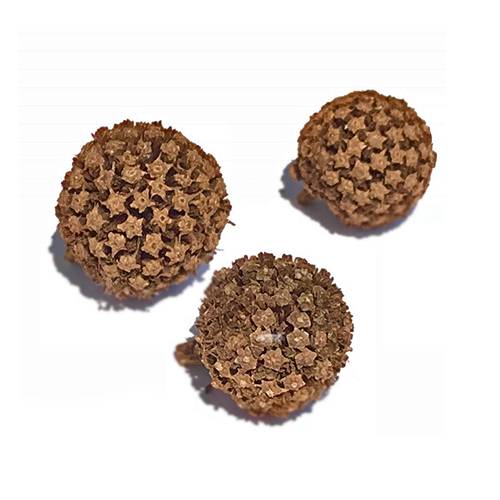
Premium Mitragyna hirsuta seeds - Available through Mitrascience seed collection
Common Pests Affecting Mitragyna Plants
Insect Pests
1. Spider Mites (Tetranychidae)
Identification: Tiny arachnids (less than 1mm) that create fine webbing on leaf undersides. Look for yellow stippling on leaves and a dusty appearance.
Management Strategies:
- Maintain humidity levels above 60% to discourage population growth
- Apply neem oil spray (2-3% concentration) weekly during infestations
- Introduce predatory mites (Phytoseiulus persimilis) as biological control
- Isolate affected plants immediately to prevent spread
- Use horticultural oils during dormant periods for severe infestations
2. Aphids (Aphidoidea)
Soft-bodied insects that cluster on new growth and leaf undersides, aphids feed on plant sap and excrete honeydew, which can lead to sooty mold development.
Control Methods:
- Strong water spray to dislodge colonies from foliage
- Insecticidal soap applications (2.5% potassium salts of fatty acids)
- Introduction of ladybugs (Coccinellidae) and lacewings as natural predators
- Yellow sticky traps for monitoring and control
- Reflective mulches to disorient and repel aphids

Premium quality Mitragyna products available at Mitrascience.com
3. Scale Insects (Coccoidea)
Armored and soft scales attach to stems and leaves, creating protective coverings that make them difficult to treat. They can cause yellowing, premature leaf drop, and stunted growth.
Treatment Protocol:
- Manual removal with cotton swabs dipped in rubbing alcohol
- Horticultural oil applications (2% solution) during crawler stage
- Systemic insecticides for severe infestations (use with caution)
- Encourage natural enemies like parasitic wasps
4. Whiteflies (Aleyrodidae)
These tiny white insects congregate on leaf undersides and can quickly multiply in greenhouse environments. They transmit plant diseases and weaken plants through sap feeding.
Integrated Management:
- Yellow sticky cards placed strategically throughout growing area
- Biological control with Encarsia formosa parasitic wasps
- Vacuum removal of adult whiteflies in early morning
- Neem oil or insecticidal soap applications targeting nymphs
- Reflective mulches to reduce colonization
5. Mealybugs (Pseudococcidae)
Covered in white, waxy coating, mealybugs hide in leaf axils and feed on plant sap, causing leaf yellowing and distortion.
Control Measures:
- Isopropyl alcohol application directly on insects
- Neem oil spray covering all plant surfaces
- Introduction of Cryptolaemus beetles (mealybug destroyers)
- Systemic treatments for heavy infestations

100% Vegan

Non GMO

Ethically Sourced

Lab Tested

No Artificials
Fungal and Bacterial Diseases
Fungal Pathogens
Powdery Mildew (Erysiphales)
White, powdery fungal growth on leaf surfaces indicates powdery mildew infection. This disease thrives in moderate temperatures with high humidity and poor air circulation.
Prevention and Treatment:
- Ensure adequate spacing between plants for air circulation
- Apply sulfur-based fungicides preventatively
- Maintain relative humidity below 60% if possible
- Remove and destroy infected plant material
- Apply potassium bicarbonate solutions (1 tablespoon per gallon water)
- Use milk spray (1:9 milk to water ratio) as organic alternative
Root Rot (Pythium, Phytophthora, Rhizoctonia)
Symptoms: Wilting despite adequate soil moisture, yellowing leaves, stunted growth, and dark, mushy roots.
Management:
- Improve drainage with well-aerated growing medium
- Allow soil to dry between waterings
- Apply beneficial microorganisms (Trichoderma species)
- Remove affected plants to prevent spread
- Sterilize tools and containers between uses
- Consider hydrogen peroxide drench (3% solution, 1 part per 4 parts water) for affected soil
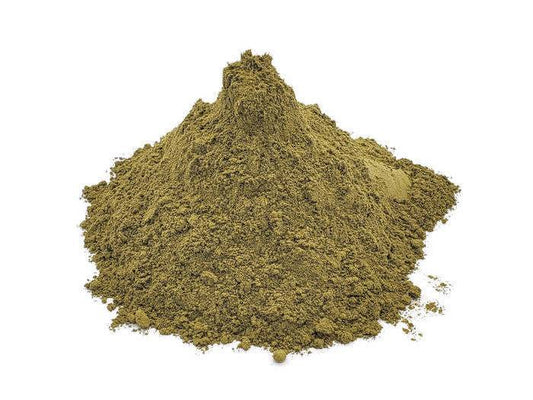
Premium Red Maeng Da powder - From $85 USD per kilogram

Premium White Maeng Da powder - Wholesale available starting at $85 USD per kg
Leaf Spot Diseases (Cercospora, Alternaria)
Circular or irregular spots on leaves, often with yellow halos, indicate fungal leaf spot infections. These can defoliate plants if left untreated.
Control Strategies:
- Remove infected leaves immediately
- Avoid overhead watering; water at soil level
- Apply copper-based fungicides according to label directions
- Improve air circulation around plants
- Practice crop rotation if growing in outdoor beds
Bacterial Diseases
Bacterial Leaf Spot (Xanthomonas, Pseudomonas)
Water-soaked lesions that turn brown or black with yellow halos characterize bacterial leaf spot. These diseases spread rapidly in wet conditions.
Management:
- Remove and destroy infected plant material
- Avoid working with plants when foliage is wet
- Apply copper bactericides preventatively
- Sterilize all cutting tools between plants
- Reduce leaf wetness duration by improving ventilation

Green Maeng Da Kratom Powder - Premium wholesale bulk with 10kg minimum, available at Mitrascience powdered leaves collection
Integrated Pest Management (IPM) Framework
1. Prevention and Cultural Controls
The foundation of effective pest management begins with creating an environment that promotes plant health while discouraging pest establishment.
Environmental Optimization
- Temperature Control: Maintain 75-85°F (24-29°C) for optimal Mitragyna growth; many pests thrive outside this range
- Humidity Management: Target 60-80% relative humidity; use humidifiers or dehumidifiers as needed
- Air Circulation: Install fans to promote air movement without creating cold drafts
- Light Management: Provide bright, indirect light; avoid light stress which weakens plants
Sanitation Practices
- Remove fallen leaves and plant debris promptly
- Sterilize tools, pots, and equipment regularly
- Quarantine new plants for 2-3 weeks before introducing to collection
- Clean growing areas thoroughly between crops
- Use only sterile growing media for propagation
Plant Selection and Care
- Source plants from reputable suppliers like Mitrascience's live tree collection
- Inspect plants carefully before purchase or introduction
- Provide optimal nutrition without over-fertilizing
- Avoid water stress through consistent irrigation practices
- Prune properly to maintain open plant structure

Mitragyna parvifolia seeds - Indian tree seeds for cultivation available at Mitrascience

Mitragyna javanica seeds - Southeast Asian tree seeds for specialized cultivation
2. Monitoring and Early Detection
Regular monitoring allows for early pest detection and intervention before populations reach damaging levels.
Inspection Protocol
| Frequency | Area to Inspect | What to Look For |
|---|---|---|
| Daily | Overall plant appearance | Wilting, discoloration, abnormal growth |
| Weekly | Leaf undersides | Eggs, nymphs, webbing, honeydew |
| Weekly | New growth and stems | Aphids, scales, distorted leaves |
| Bi-weekly | Soil surface and roots | Fungus gnats, root discoloration |
| Monthly | Entire plant and surroundings | Comprehensive pest and disease assessment |
Monitoring Tools
- Sticky Traps: Yellow for whiteflies and fungus gnats; blue for thrips
- Hand Lens: 10x magnification for identifying small pests and eggs
- Record Keeping: Document pest sightings, treatments, and plant responses
- Environmental Sensors: Track temperature, humidity, and light levels
3. Biological Control Methods
Beneficial organisms can provide long-term pest suppression with minimal environmental impact.
Predatory Insects
- Ladybugs (Coccinellidae): Consume aphids, scale crawlers, and mealybugs
- Lacewings (Chrysopidae): Larvae feed on soft-bodied insects
- Predatory Mites (Phytoseiulus): Control spider mite populations
- Parasitic Wasps (Encarsia, Aphidius): Target whiteflies and aphids
Microbial Controls
- Bacillus thuringiensis (Bt): Bacterial insecticide for caterpillars
- Beauveria bassiana: Fungal pathogen affecting many insect pests
- Trichoderma species: Beneficial fungi that suppress root pathogens
- Mycorrhizal fungi: Enhance root health and disease resistance

Premium Green Bali Kratom Powder - Wholesale bulk 10kg+ from $1,375 USD per 25kg
Organic and Chemical Control Options
Organic Pest Control Solutions
Neem Oil (Azadirachtin)
Derived from neem tree seeds, this broad-spectrum botanical insecticide disrupts pest feeding, growth, and reproduction. Effective against most soft-bodied insects and some fungal diseases.
Application:
- Mix 2-3% concentration (1-2 tablespoons per gallon of water)
- Add a few drops of dish soap as emulsifier
- Apply in early morning or evening to avoid leaf burn
- Spray all plant surfaces, especially undersides
- Reapply every 7-14 days or after rain
Insecticidal Soap
Potassium salts of fatty acids penetrate pest cuticles, causing dehydration and death. Safe for plants when used correctly.
Best Practices:
- Use commercial formulations (2-3% concentration)
- Test on small area before full application
- Ensure thorough coverage of pests
- Apply when temperatures are below 85°F
- Rinse plants after 2-3 hours if sensitive
Horticultural Oils
Refined petroleum or plant-based oils smother pests and their eggs. Summer oils can be used during growing season; dormant oils for winter applications.
Application Guidelines:
- Use 1-2% concentration for summer applications
- Apply when temperatures are 40-85°F
- Ensure complete coverage for effectiveness
- Do not apply to drought-stressed plants
- Wait at least 2 weeks between applications

Yellow Maeng Da Kratom Powder - Wholesale and retail bulk from $85 USD per kg
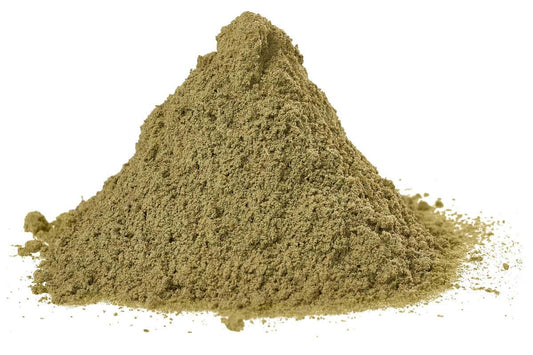
Green Malay Kratom Powder - Premium quality 10kg minimum from $1,375 USD
Diatomaceous Earth (DE)
Fossilized algae with microscopic sharp edges that damage insect exoskeletons, causing dehydration.
Usage:
- Use food-grade DE only
- Dust lightly on soil surface and lower stems
- Wear mask during application to avoid inhalation
- Reapply after watering or rain
- Most effective in dry conditions
Chemical Control Options
Systemic Insecticides
These products are absorbed by plants and distributed throughout tissues, providing long-lasting protection against sap-feeding insects.
Common Active Ingredients:
- Imidacloprid: Effective against aphids, whiteflies, scales, and mealybugs
- Acetamiprid: Controls aphids, whiteflies, and some beetles
- Thiamethoxam: Broad-spectrum control of sucking insects
Application Considerations:
- Apply as soil drench for root uptake
- Protection lasts 6-12 weeks depending on product
- Do not use on plants showing stress
- Be aware of potential impacts on pollinators
- Rotate modes of action to prevent resistance
Contact Insecticides
These products kill pests on contact but do not provide residual protection.
Options Include:
- Pyrethrins: Natural insecticide from chrysanthemums, breaks down quickly
- Spinosad: Derived from soil bacteria, effective against many pests
- Acephate: Organophosphate with some systemic activity
Fungicides
For severe fungal disease outbreaks, chemical fungicides may be necessary.
Common Classes:
- Copper-based: Broad-spectrum protection against fungal and bacterial diseases
- Sulfur: Effective for powdery mildew prevention
- Chlorothalonil: Broad-spectrum protectant fungicide
- Myclobutanil: Systemic triazole fungicide for various diseases

Kra Thom Kok (Mitragyna hirsuta) crushed leaves - 10kg bulk available at Mitrascience Hirsuta collection
Specialized Protection for Different Growing Environments
Indoor Cultivation
Indoor growing provides excellent control over environmental conditions but creates isolated ecosystems where pests can thrive without natural predators.
Advantages for Pest Management:
- Complete environmental control (temperature, humidity, light)
- Isolation from outdoor pest populations
- Ability to implement biological controls effectively
- Year-round growing and pest monitoring
Challenges:
- Limited natural predator populations
- Rapid pest reproduction in optimal conditions
- Difficulty achieving complete spray coverage
- Potential for pest resistance development
Best Practices:
- Install HEPA filters on intake vents to exclude pests
- Maintain strict quarantine procedures for new plants
- Use yellow and blue sticky cards for early detection
- Implement preventative biological control releases
- Clean growing area thoroughly between crops
- Monitor environmental conditions continuously
Greenhouse Cultivation
Greenhouses offer protection from weather while providing more natural growing conditions. However, they can become pest havens if not managed properly.
Pest Management Strategies:
- Install insect screening (20-50 mesh) on vents and openings
- Use air curtains at entrance doors
- Implement banker plant systems to maintain beneficial insect populations
- Monitor temperature and humidity carefully
- Use reflective mulches to disorient pests
- Consider UV-blocking films that disrupt pest behavior

Mitragyna parvifolia powder - Pure Kadamb leaf extract available at Mitrascience
Outdoor Cultivation
Outdoor growing in tropical or subtropical climates provides the most natural environment for Mitragyna species but presents the greatest pest challenges.
Integrated Outdoor Management:
- Plant pest-repelling companion species around Mitragyna trees
- Encourage beneficial insect habitat with flowering plants
- Use physical barriers like tree wraps for trunk protection
- Implement proper spacing for air circulation
- Practice good sanitation by removing fallen leaves and debris
- Monitor weather conditions and adjust treatments accordingly
Seasonal Considerations:
- Rainy Season: Increase fungal disease monitoring; improve drainage
- Dry Season: Watch for spider mite outbreaks; maintain adequate moisture
- Spring: Peak time for many insect pest emergences
- Fall: Monitor for migrating pest populations
Quarantine and Biosecurity Protocols
New Plant Quarantine Procedure
- Isolation Area: Designate a separate space away from existing plants
- Initial Inspection: Examine all surfaces carefully with magnification
- Preventative Treatment: Apply broad-spectrum organic pesticide as precaution
- Monitoring Period: Observe for minimum 2-3 weeks for pest or disease signs
- Follow-up Treatments: Repeat applications weekly during quarantine
- Final Inspection: Thoroughly examine before moving to main growing area
- Documentation: Record source, inspection findings, and treatments
Tool and Equipment Sanitation
Contaminated tools can spread pests and diseases between plants.
Sterilization Methods:
- Alcohol: Wipe cutting tools with 70% isopropyl alcohol between plants
- Bleach Solution: Soak tools in 10% bleach solution for 10 minutes, rinse thoroughly
- Heat: Flame sterilize small metal tools with torch
- Commercial Disinfectants: Use horticultural disinfectants per label directions
Personnel Hygiene
- Wash hands before and after working with plants
- Change clothes if working with infected plants
- Use dedicated footwear for growing areas
- Avoid touching healthy plants after handling infected ones

White Bali Kratom Powder - Premium bulk 10-500kg from $1,375 USD per 25kg

Green Borneo Kratom Powder - Premium Mitragyna speciosa wholesale available
Emergency Response Protocols
Severe Infestation Response
When pest populations exceed manageable levels, immediate action is necessary to prevent total crop loss.
Step 1: Assess and Isolate
- Identify the pest or disease accurately
- Determine extent of infestation
- Immediately isolate affected plants
- Inspect neighboring plants thoroughly
Step 2: Treatment Decision
- Evaluate whether plant is salvageable
- Consider economic threshold for treatment costs
- Select most appropriate control method for pest and situation
- Determine treatment frequency and duration
Step 3: Implement Control Measures
- Apply treatments according to product labels
- Use proper personal protective equipment (PPE)
- Document all applications and observations
- Adjust environmental conditions if contributing to problem
Step 4: Monitor and Follow-up
- Inspect treated plants daily for initial week
- Look for signs of pest reduction or plant stress
- Reapply treatments as necessary
- Continue monitoring after pest elimination
Step 5: Prevent Recurrence
- Identify and eliminate source of infestation
- Modify cultural practices that contributed to outbreak
- Implement preventative treatment schedule
- Improve monitoring and early detection systems
Plant Disposal Procedures
Heavily infested plants that cannot be saved must be disposed of properly to prevent pest spread.
- Seal plant in plastic bag before moving
- Do not compost diseased plant material
- Dispose in regular trash or burn if permitted
- Clean and sterilize area where plant was located
- Monitor surrounding plants closely for several weeks

Kra Thom Kok (Mitragyna hirsuta) 25:1 powdered extract - 1kg available at Mitrascience extracts collection
Resistance Management and Rotation Strategies
Understanding Pesticide Resistance
When pest populations are repeatedly exposed to the same mode of action, individuals with genetic resistance survive and reproduce, eventually creating a resistant population.
Signs of Developing Resistance:
- Previously effective products no longer control pests
- Need to increase application frequency or concentration
- Pests reappear quickly after treatment
- Control is inconsistent despite proper application
Resistance Prevention Strategies
Mode of Action Rotation
Rotate between products with different modes of action to prevent resistance development.
| Mode of Action | Example Products | Target Pests |
|---|---|---|
| Neonicotinoids (4A) | Imidacloprid, Acetamiprid | Aphids, whiteflies, scales |
| Pyrethroids (3A) | Permethrin, Bifenthrin | Most insects |
| Insect Growth Regulators | Azadirachtin (neem), Pyriproxyfen | Immature insects |
| Soaps and Oils | Insecticidal soap, Horticultural oil | Soft-bodied insects |
| Spinosyns (5) | Spinosad | Thrips, caterpillars |
Additional Resistance Management Tactics:
- Use full labeled rates; do not under-dose
- Ensure thorough coverage during applications
- Combine chemical controls with cultural and biological methods
- Use pesticides only when pest populations exceed thresholds
- Avoid consecutive applications of same product
- Maintain refugia (untreated areas) to preserve susceptible genes
- Monitor efficacy of treatments and adjust strategies as needed
Record Keeping and Documentation
Essential Documentation
Pest Scouting Records
- Date and time of inspection
- Plant identification and location
- Pest species and life stages observed
- Approximate population levels or severity
- Plant symptoms and health status
- Environmental conditions during inspection
- Photos of pests and damage
Treatment Records
- Date and time of application
- Product name and active ingredient
- Concentration or rate used
- Application method (spray, drench, etc.)
- Target pest or disease
- Environmental conditions during application
- Plants or areas treated
- PPE used
- Applicator name
Follow-up Observations
- Date of post-treatment inspection
- Pest population changes
- Plant response to treatment
- Any phytotoxicity or adverse effects
- Need for retreatment
- Overall treatment efficacy rating
Data Analysis and Decision Making
Regular review of records helps identify patterns and optimize pest management strategies:
- Seasonal pest emergence patterns
- Environmental conditions favoring specific pests
- Most effective treatments for each pest
- Areas or plants with recurring problems
- Treatment costs and economic thresholds
- Need for preventative measures or protocol changes
Sourcing Healthy Mitragyna Plants and Materials
Choosing Quality Suppliers
Mitrascience has established itself as a leading supplier of high-quality Mitragyna products, offering everything from live trees to fresh seeds for cultivation.
What to Look For in Suppliers:
- Transparent sourcing practices
- Quality assurance and testing protocols
- Proper plant quarantine procedures
- Knowledge of species and cultivation requirements
- Positive reviews and industry reputation
- Ethical and sustainable harvesting practices
Mitrascience Product Offerings
Live Plants
For cultivators looking to start or expand their Mitragyna collection, Mitrascience offers live Kratom tree plants (4-6 inches) starting at $120 USD for individual plants, with bulk options:
- 1 Live Plant: $120 USD
- 5 Live Plants: Available for bulk discount
- 10 Live Plants: Volume pricing
- 20 Live Plants: $1,680 USD
Seeds for Propagation
Fresh, viable seeds are available for various Mitragyna species through the Mitrascience seed collection:
- Mitragyna speciosa seeds: Starting at $40 USD per seed pod
- Mitragyna hirsuta seeds: Contact for availability
- Mitragyna parvifolia seeds: Contact for availability
- Mitragyna javanica seeds: Contact for availability
Processed Leaf Products
For those interested in studying processing and quality standards, Mitrascience offers extensive powdered leaf products:
- Red Maeng Da powder: From $85 USD per kg (1kg to 500kg options)
- White Maeng Da powder: From $85 USD per kg
- Green Maeng Da powder: From $85 USD per kg (10kg minimum)
- Yellow Maeng Da powder: From $85 USD per kg
- Green Bali powder: From $1,375 USD per 25kg
- Green Malay powder: From $1,375 USD per 25kg
- White Bali powder: From $1,375 USD per 25kg (10-500kg available)
Specialty Products
- Mitragyna parvifolia powder: Pure Kadamb leaf extract
- Mitragyna hirsuta crushed leaves: 10kg bulk available
- Mitragyna hirsuta 25:1 extract: Premium concentrated extract
Quality Assurance Standards
Mitrascience maintains rigorous quality standards across all products:
Conclusion and Key Takeaways
Effective pest management for rare Mitragyna plants requires a comprehensive, proactive approach combining multiple strategies. Success depends on understanding your specific species, maintaining optimal growing conditions, implementing regular monitoring, and responding quickly to pest or disease problems.
Essential Principles for Mitragyna Pest Management:
- Prevention First: Start with healthy, pest-free plants from reputable sources like Mitrascience
- Environmental Optimization: Maintain proper temperature (75-85°F), humidity (60-80%), air circulation, and lighting to promote plant health and discourage pests
- Regular Monitoring: Inspect plants frequently using a systematic approach; early detection prevents major outbreaks
- Integrated Approach: Combine cultural, biological, and chemical controls rather than relying on a single method
- Proper Identification: Accurately identify pests and diseases before implementing control measures
- Quarantine Protocols: Isolate new plants and suspected infestations to prevent spread
- Sanitation: Maintain clean growing areas, sterilize tools, and remove plant debris promptly
- Resistance Management: Rotate pesticide modes of action and use products only when necessary
- Documentation: Keep detailed records of pest problems, treatments, and results
- Continuous Learning: Stay informed about new pests, diseases, and control methods relevant to Mitragyna cultivation
Emergency Contacts and Resources
For questions about Mitragyna cultivation, product sourcing, or general inquiries:
Phone: +1-347-486-4872
Email: info@mitrascience.com
Website: https://mitrascience.com/
Collections:
Live Trees | Seeds | Powdered Leaves | Extracts | Crushed Leaves
By Species:
M. speciosa | M. javanica | M. hirsuta | M. parvifolia
Final Thoughts
Cultivating rare Mitragyna species represents both a significant investment and an opportunity to work with remarkable botanical specimens. By implementing the comprehensive pest management strategies outlined in this guide, you can protect your plants, maximize their health and vigor, and ensure long-term cultivation success.
Remember that pest management is an ongoing process, not a one-time event. Stay vigilant, remain flexible in your approach, and don't hesitate to seek expert advice when facing challenging pest or disease situations. With proper care and attention, your Mitragyna plants can thrive for years to come.
Whether you're just beginning your cultivation journey with fresh seeds, establishing a collection with young trees, or managing mature specimens, the principles and practices detailed in this guide will help you maintain healthy, pest-free Mitragyna plants.