


Key Takeaways
- Proper storage conditions significantly impact kratom pollen viability
- Temperature, humidity, and light exposure are critical factors
- Airtight containers in cool, dark environments optimize preservation
- Kratom seeds typically have a 10-20% viability rate
- Specialized storage techniques can extend pollen longevity
- Different Mitragyna species have varying pollen characteristics
- Cryopreservation offers the best long-term viability preservation
- Antioxidant treatments can significantly enhance storage success
- Regular viability testing ensures quality maintenance
- Proper rehydration techniques are essential for successful germination
Introduction to Kratom Pollen and Seed Viability
The preservation of kratom pollen and seeds is a crucial part of botanical conservation and cultivation. At Mitra Science, we know how important proper storage techniques are for keeping Mitragyna speciosa genetic material viable. Kratom has unique challenges for pollen storage and seed preservation that require special knowledge to ensure successful growth and research.
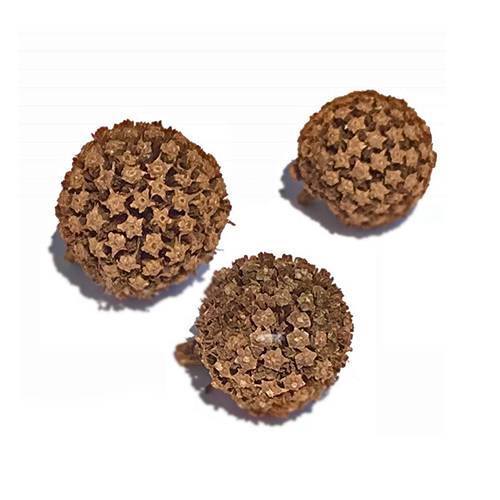

Kratom seeds, which we offer through our premium seed collection, typically have a viability rate of about 10-20%. This low germination rate makes proper storage even more important for researchers, botanists, and plant lovers. The seeds grow in pods containing hundreds of tiny seeds, each with potential for new growth under the right conditions. Understanding these limits helps growers set realistic expectations and use the right storage methods to get the best results.
Understanding the botanical characteristics of different Mitragyna species is essential for successful pollen and seed storage. Our Mitragyna hirsuta seeds and Mitragyna speciosa seeds each have distinct properties that influence their storage requirements and viability periods. These differences extend to cellular structure, desiccation tolerance, and optimal moisture content, all of which must be considered when developing effective preservation strategies for these valuable botanical resources.
The Science of Kratom Pollen Viability
The viability of kratom pollen depends on many biological factors, including its cellular structure, moisture content, and biochemical composition. As kratom botany experts, we've studied these factors carefully to find the best preservation techniques. How these elements work together determines how long pollen stays able to fertilize and under what conditions it keeps its maximum viability for research and growing purposes.


Kratom pollen contains genetic material essential for reproduction and the continuation of the species. Unlike the leaf material used in our premium kratom products, pollen requires specific storage conditions to maintain its reproductive capabilities. The viability period of kratom pollen is naturally limited, but with proper storage techniques, this period can be significantly extended. Understanding the physiological mechanisms that govern pollen longevity enables researchers and cultivators to implement evidence-based preservation strategies that maximize genetic potential.
Research into the cellular biology of kratom pollen has revealed that its viability is closely linked to moisture content and metabolic activity. Too much moisture speeds up deterioration, while too little can cause drying out and cell death. Finding the right balance is key to successful long-term storage. This delicate balance requires precise environmental control and appropriate storage media to maintain cellular integrity while preventing damaging biochemical processes that naturally occur over time.
Our research on alkaloid transformation during drying and storage provides valuable insights that can be applied to pollen preservation as well. The biochemical processes that affect alkaloid stability in leaf material have parallel mechanisms in pollen preservation. By understanding these molecular transformations, we can develop targeted interventions that specifically address the primary causes of viability loss, resulting in more effective preservation techniques for both research and cultivation applications.
Optimal Temperature Conditions for Kratom Pollen Storage
Temperature management is one of the most important factors in preserving kratom pollen viability. Our research has found specific temperature ranges that work best while minimizing degradation. Temperature directly affects metabolic rates within pollen cells, with lower temperatures generally slowing down the processes that would otherwise quickly reduce reproductive capacity and genetic integrity over time.
For short-term storage (1-3 months), keeping temperatures between 2-4°C (35-39°F) in a standard refrigerator gives excellent results. This temperature range slows metabolic processes without causing freezing damage to cellular structures. When storing pollen alongside our bulk kratom products, make sure they are in separate, sealed containers to prevent cross-contamination. This refrigeration approach is a good solution for hobbyists and small-scale researchers who might not have access to more specialized equipment but still need to maintain viable pollen for several weeks to months.
For long-term preservation (beyond 3 months), cryogenic storage at temperatures between -80°C to -196°C (-112°F to -320°F) has shown the best results in maintaining viability. This requires specialized equipment such as ultra-low temperature freezers or liquid nitrogen storage systems, which are typically available in research facilities. At these extremely low temperatures, cellular metabolism essentially stops, dramatically extending the viable lifespan of kratom pollen from months to years or even decades when properly implemented with appropriate cryoprotectants and handling protocols.
Temperature stability is just as important as the absolute temperature value. Fluctuations can cause condensation and cell damage, significantly reducing viability. This principle applies to both pollen storage and our premium Green Bali Kratom and other varieties that benefit from consistent storage conditions. Repeated freeze-thaw cycles are particularly damaging to pollen viability, as they cause mechanical stress to cellular membranes and disrupt the delicate internal structures necessary for successful germination and fertilization.
Humidity Control for Extended Pollen Viability
Controlling humidity levels is essential for maintaining kratom pollen viability, as moisture directly impacts cellular metabolism and degradation rates. Proper humidity management prevents both excessive drying that can damage cell membranes and excess moisture that promotes microbial growth and accelerates enzymatic deterioration processes. Finding and maintaining the optimal moisture balance represents one of the most significant challenges in long-term pollen preservation.

Optimal relative humidity (RH) for kratom pollen storage typically ranges between 10-30%. Higher humidity levels speed up aging and promote fungal growth, while extremely low humidity can cause excessive drying and loss of viability. This principle aligns with our recommendations in our guide on the best ways to store bulk kratom. The specific ideal humidity may vary slightly between different Mitragyna species and even between strains within the same species, making it important to conduct small-scale tests when working with new genetic material to determine optimal conditions.
Desiccants such as silica gel packets are excellent for maintaining low humidity levels in storage containers. When properly used, these can maintain the ideal humidity range for several months before requiring replacement or regeneration. This is particularly important when storing our White Bali Kratom and other premium varieties. For more precise control, molecular sieves can be employed to achieve and maintain very specific humidity levels, providing superior results for research-grade pollen preservation where exact conditions must be maintained.
For precision humidity control, consider using specialized storage containers with built-in hygrometers. These allow for monitoring and adjusting humidity levels as needed. Some advanced storage systems even maintain programmed humidity levels automatically, which is ideal for research facilities and serious collectors. These systems may incorporate humidity-responsive membranes or electronic sensors coupled with desiccant chambers to create a self-regulating environment that maintains optimal conditions despite external fluctuations in ambient humidity.
Light Exposure and Its Impact on Kratom Pollen
Light exposure, particularly ultraviolet (UV) radiation, can significantly reduce kratom pollen viability through photochemical degradation of cellular components. The high-energy photons in UV light can damage DNA, proteins, and membrane structures essential for pollen function, leading to rapid deterioration of reproductive capacity even when other storage conditions are optimal. This photosensitivity necessitates careful consideration of light exposure throughout collection, processing, and storage phases.


Store kratom pollen in opaque or amber-colored containers that block UV light. Clear containers, even when kept in dark locations, may still allow some light exposure during handling. This principle applies to both pollen storage and our Red Horn Kratom and other premium varieties. The photoprotective properties of amber glass are particularly valuable, as they specifically filter out the most damaging wavelengths while still allowing visual inspection of contents when necessary during research or processing activities.
If opaque containers aren't available, wrapping clear containers in aluminum foil provides an effective light barrier. This simple technique can significantly extend viability by preventing photodegradation of sensitive cellular components. For maximum protection, consider double-wrapping containers or using multiple layers of protection such as an opaque outer container combined with aluminum foil wrapping for the inner storage vessel, creating redundant barriers against accidental light exposure during handling or storage.
For laboratory settings, specialized UV-filtering storage cabinets provide an ideal environment for pollen preservation. These systems maintain darkness while allowing for temperature and humidity control, creating optimal storage conditions for both research samples and our powdered kratom leaf products. Some advanced facilities even incorporate positive-pressure systems with filtered air to prevent contamination while maintaining complete darkness, providing the ultimate controlled environment for preserving sensitive botanical materials for extended periods.
Containers and Materials for Kratom Pollen Storage
The choice of storage containers and materials can significantly impact kratom pollen viability over time. Different materials interact with stored pollen in various ways, potentially introducing contaminants, allowing moisture exchange, or providing inadequate barriers against environmental factors. Selecting appropriate containers is not merely a matter of convenience but a critical decision that directly influences preservation outcomes and research reliability.


Borosilicate glass vials with airtight seals provide excellent storage conditions for kratom pollen. Unlike plastic containers, glass doesn't release chemicals that might affect pollen viability, and it provides better protection against environmental factors. This principle applies to both pollen storage and our crushed kratom leaf products. The chemical inertness of borosilicate glass is particularly valuable for long-term storage, as it prevents the gradual leaching of plasticizers and other compounds that can accumulate to harmful levels over extended periods of preservation.
For cryogenic storage, specialized cryovials made from polypropylene with silicone O-ring seals are recommended. These are designed to withstand extreme cold without becoming brittle or leaking, making them ideal for long-term preservation of both research samples and genetic material from our Mitragyna javanica collection. These purpose-designed containers incorporate features like internal threading to prevent contamination, color-coded caps for easy identification, and specialized racks that maintain organization while ensuring uniform cooling rates during freezing processes.
Vacuum-sealed containers can further extend viability by removing oxygen that contributes to oxidative damage. For research facilities, vacuum desiccators provide an ideal environment by controlling both oxygen and moisture levels simultaneously. Advanced systems may incorporate inert gas flushing with nitrogen or argon to displace oxygen before sealing, creating an environment that virtually eliminates oxidative degradation while maintaining appropriate pressure and humidity levels for optimal preservation of genetic material.
Long-term vs. Short-term Storage Strategies
Different storage durations require distinct approaches to maintain optimal kratom pollen viability. The biological mechanisms of deterioration change over time, with different factors becoming limiting at different stages of storage. Understanding these temporal patterns allows for the development of specialized protocols that address the specific challenges associated with each timeframe, maximizing preservation effectiveness regardless of intended storage duration.

For short-term storage (1-3 months), refrigeration at 2-4°C (35-39°F) in airtight containers with desiccant packets provides sufficient preservation for most research and breeding purposes. This approach is simple and accessible for most enthusiasts and aligns with our storage recommendations for our White Maeng Da Kratom. During this timeframe, controlling humidity and preventing temperature fluctuations are particularly important, as these factors have the most immediate impact on viability during initial storage phases when metabolic activity is still relatively high.
Medium-term storage (3-12 months) benefits from freezing at -20°C (-4°F) in containers that prevent frost formation. Pre-drying the pollen to optimal moisture content before freezing significantly extends viability during this period, a technique that can be adapted from our mitragynine-rich kratom collection storage practices. For this intermediate timeframe, incorporating oxygen absorbers alongside desiccants provides enhanced protection by addressing both moisture and oxidative damage simultaneously, targeting the primary degradation mechanisms that become significant after the first few months of storage.
For long-term preservation (beyond 1 year), cryopreservation using liquid nitrogen at -196°C (-320°F) provides the best results. This approach requires specialized equipment but can maintain viability for many years or even decades, making it ideal for genetic conservation efforts and research institutions. At these ultra-low temperatures, specialized cryoprotectants like glycerol or dimethyl sulfoxide (DMSO) at carefully optimized concentrations become essential to prevent intracellular ice crystal formation that would otherwise destroy cellular structures during the freezing process.
Viability Testing Methods for Kratom Pollen
Regular testing is essential to monitor the viability of stored kratom pollen and adjust storage conditions as needed. Without objective assessment of viability, it's impossible to determine whether preservation methods are effective or when stored pollen has deteriorated beyond usable levels. Implementing systematic testing protocols ensures that valuable research materials maintain their reproductive capacity and provides early warning when storage conditions need adjustment.


In vitro germination testing provides a direct measure of pollen viability. By placing pollen on a suitable medium with appropriate nutrients and conditions, germination rates can be observed and quantified. This method provides the most accurate assessment of reproductive potential, similar to how we test our Mitragyna hirsuta extracts for quality. For kratom specifically, a medium containing 15% sucrose, 0.01% boric acid, and 1.5% agar adjusted to pH 5.8-6.2 has shown excellent results in promoting pollen tube formation, allowing for reliable quantification of viable pollen percentage.
Tetrazolium staining offers a quick chemical test for viability. This method uses 2,3,5-triphenyltetrazolium chloride (TTC) to stain living tissue red, allowing for rapid assessment of pollen viability without waiting for germination. The intensity of staining correlates with cellular metabolic activity and viability. When performed properly, this colorimetric assay can provide results in just a few hours, making it invaluable for rapid screening of multiple samples or when time constraints don't allow for complete germination testing.
For research facilities, fluorescent diacetate (FDA) staining provides detailed viability assessment through fluorescence microscopy. This technique allows for visualization of metabolically active cells and can detect subtle differences in viability that other methods might miss, similar to the detailed analysis in our guide to understanding kratom certificates of analysis. The dual staining approach, combining FDA with propidium iodide, enables simultaneous visualization of both viable and non-viable cells, providing comprehensive assessment of sample quality with high sensitivity and specificity that exceeds what's possible with traditional staining methods.
Comparing Pollen Storage Across Different Mitragyna Species
Different Mitragyna species exhibit varying pollen characteristics that influence optimal storage conditions. These interspecies differences reflect evolutionary adaptations to distinct ecological niches and reproductive strategies, resulting in significant variation in desiccation tolerance, temperature sensitivity, and longevity under storage conditions. Understanding these species-specific traits is essential for developing tailored preservation protocols that maximize viability for each particular type of botanical material.


Mitragyna speciosa pollen, which comes from the same plant as our premium kratom products, typically has moderate desiccation tolerance and benefits from storage at 30-40% relative humidity. Its viability decreases significantly after 6 months under standard refrigeration, making cryopreservation the preferred method for long-term storage. The cellular structure of M. speciosa pollen contains relatively high proportions of unsaturated fatty acids in its membranes, making it particularly susceptible to oxidative damage and explaining why antioxidant treatments show especially pronounced benefits for this species.
Mitragyna hirsuta pollen, from the plant that produces our Mitragyna hirsuta seeds, shows greater desiccation tolerance and can maintain viability longer under standard refrigeration. Its optimal storage humidity is slightly lower at 20-30% RH, and it has shown better resistance to freeze-thaw cycles. This enhanced resilience appears to correlate with higher concentrations of protective carbohydrates and specific heat shock proteins that stabilize cellular structures during dehydration and temperature stress, providing natural cryoprotection that enhances storage longevity.
Mitragyna javanica pollen exhibits characteristics between the other two species, with moderate desiccation tolerance and optimal storage humidity around 25-35% RH. Its response to cryopreservation is excellent, making it suitable for long-term genetic preservation programs. Interestingly, M. javanica pollen shows unique responses to controlled dehydration protocols, with a distinct two-phase drying approach (initial slow dehydration followed by more rapid drying) yielding significantly better preservation outcomes than constant-rate dehydration, highlighting the importance of species-specific protocol optimization.
The Role of Antioxidants in Pollen Preservation
Antioxidants play a crucial role in maintaining kratom pollen viability by protecting cellular components from oxidative damage. Reactive oxygen species (ROS) naturally form during cellular metabolism and storage, causing cumulative damage to membranes, proteins, and DNA that ultimately leads to viability loss. Strategic use of antioxidants can significantly mitigate this damage, extending the functional lifespan of stored pollen and preserving its genetic integrity for research and cultivation purposes.

Ascorbic acid (vitamin C) has shown significant protective effects when added to pollen storage media. At concentrations of 0.1-0.5%, it scavenges free radicals and prevents oxidative damage to cellular membranes and DNA. This protection is particularly important during long-term storage of both pollen and products like our Yellow Maeng Da Kratom. Research indicates that ascorbic acid is especially effective when combined with citric acid in a buffered system, as this combination provides both direct antioxidant activity and metal-chelating properties that prevent catalytic oxidation reactions.
Tocopherols (vitamin E) provide lipid-soluble antioxidant protection that complements water-soluble antioxidants like ascorbic acid. When incorporated into storage media or applied as a coating, tocopherols protect the lipid membranes that are essential for pollen viability. This multi-layered protection approach is similar to how we preserve the quality of our diverse kratom collection. The alpha-tocopherol form has shown particular efficacy for pollen preservation, with concentrations of 50-200 mg/L providing optimal protection against lipid peroxidation without introducing toxicity concerns.
For research applications, synthetic antioxidants such as butylated hydroxytoluene (BHT) have shown promising results in extending pollen viability. These compounds can be incorporated into storage media or applied as a pre-storage treatment to enhance preservation. In controlled studies, BHT at concentrations of 100-200 ppm has demonstrated superior stability compared to natural antioxidants during extended storage periods, making it particularly valuable for gene bank applications where maximum longevity is the primary objective despite the synthetic nature of the preservative.
Rehydration Techniques for Stored Kratom Pollen
Proper rehydration is critical when preparing stored kratom pollen for use in pollination or research. The rehydration process represents a particularly vulnerable phase during which improper techniques can cause irreversible damage through osmotic shock, membrane disruption, or metabolic imbalances. Carefully controlled rehydration protocols are essential for successfully transitioning pollen from storage conditions to functional reproductive capacity.


Gradual rehydration in a humidity chamber provides the best results for dried pollen. By slowly increasing relative humidity from storage levels to 60-70% over 2-4 hours, cellular structures can adapt without damage from osmotic shock. This principle is similar to the techniques described in our guide on rehydrating dried kratom leaves. For laboratory applications, programmable humidity chambers that create precise humidity gradients over defined timeframes offer the most controlled approach, ensuring consistent results across different batches and experimental conditions.
The composition of rehydration media can significantly impact viability recovery. Solutions containing sucrose (10-15%), boron (100 ppm), and calcium (300 ppm) have shown excellent results in revitalizing stored kratom pollen. These components support membrane integrity and metabolic functions during the critical rehydration phase. The synergistic effect of these compounds appears to facilitate controlled water uptake while simultaneously providing energy substrates and cofactors necessary for resuming normal cellular metabolism after the dormancy of storage.
Temperature control during rehydration is equally important. Maintaining 22-25°C (72-77°F) during this process provides optimal conditions for cellular reactivation without thermal stress. This controlled approach maximizes the viability of both research materials and our premium kratom seeds. Avoiding temperature fluctuations during rehydration is particularly critical, as cellular membranes are especially vulnerable during this transition period, and even brief temperature extremes can cause disproportionate damage to recovering pollen cells.
Practical Applications for Kratom Cultivation and Research
Understanding pollen storage and viability has significant implications for both research and practical cultivation of kratom. Beyond theoretical interest, these preservation techniques enable numerous practical applications that advance botanical science, conservation efforts, and sustainable cultivation practices. The ability to maintain viable genetic material over extended periods fundamentally transforms what's possible in kratom research and development.


For breeding programs, proper pollen storage enables cross-pollination between plants that flower at different times or in different locations. This capability is essential for developing new strains with desired characteristics, similar to how we've developed our diverse Mitragyna javanica collection. By preserving pollen from multiple parent plants with desirable traits, breeders can conduct controlled crosses over extended timeframes, significantly accelerating the development of improved varieties with enhanced alkaloid profiles, environmental adaptability, or resistance to pests and diseases.
In conservation efforts, long-term pollen storage provides a valuable tool for preserving genetic diversity. By maintaining viable pollen from multiple populations, researchers can help protect the genetic heritage of kratom species against habitat loss and other threats. This preservation complements our commitment to sustainable sourcing for our complete kratom product line. Cryopreserved pollen banks represent an efficient approach to genetic conservation, requiring minimal space while preserving thousands of unique genotypes that might otherwise be lost as natural habitats face increasing pressure from development and climate change.
For research institutions, stored pollen provides consistent material for studies on kratom genetics, reproduction, and alkaloid production. This consistency is essential for reproducible research and can accelerate our understanding of these valuable botanical resources. By maintaining reference collections of pollen from well-characterized plants, researchers can conduct comparative studies across time periods and between laboratories, building a more coherent and collaborative body of knowledge about Mitragyna species and their potential applications in ethnobotany and sustainable agriculture.
Conclusion: Best Practices for Kratom Pollen Management
Effective management of kratom pollen requires an integrated approach that addresses all aspects of collection, processing, storage, and utilization. By implementing evidence-based protocols that account for the unique biological characteristics of Mitragyna species, researchers and cultivators can significantly extend viability periods and maximize the genetic potential of these valuable botanical resources. The science of pollen preservation continues to evolve, but the fundamental principles outlined in this guide provide a solid foundation for successful management.


For optimal results, implement a comprehensive pollen management system that includes:
- Collection during peak anthesis (flowering) when pollen viability is highest
- Initial processing under controlled temperature and humidity
- Testing of viability before storage to establish baselines
- Storage in appropriate containers with optimal environmental conditions
- Regular monitoring and viability testing during storage
- Proper rehydration protocols before utilization
At Mitra Science, we apply these principles not only to pollen preservation but also to our entire range of premium kratom products. By understanding and controlling the factors that influence viability, we can maximize the research and cultivation potential of these valuable botanical resources. Our commitment to scientific rigor and evidence-based practices ensures that both our preserved genetic materials and commercial products maintain the highest possible quality throughout their lifecycle.
For researchers, cultivators, and enthusiasts interested in kratom pollen storage and viability, we offer not only expert guidance but also premium kratom seeds and related products to support your projects. Our commitment to quality and scientific understanding ensures that you have access to the best materials and information for your botanical endeavors. We continue to invest in research and development to refine preservation techniques and expand the possibilities for kratom cultivation and conservation worldwide.
By implementing these evidence-based practices, you can significantly extend the viability of kratom pollen and contribute to the conservation, research, and sustainable cultivation of these remarkable plants. The knowledge and techniques shared in this guide represent the current state of the science, but we encourage ongoing experimentation and information sharing among the botanical community to continuously improve our collective understanding of kratom pollen biology and preservation.