


The Science of Kratom Flavor: Understanding Taste Profiles and Alkaloid Compounds
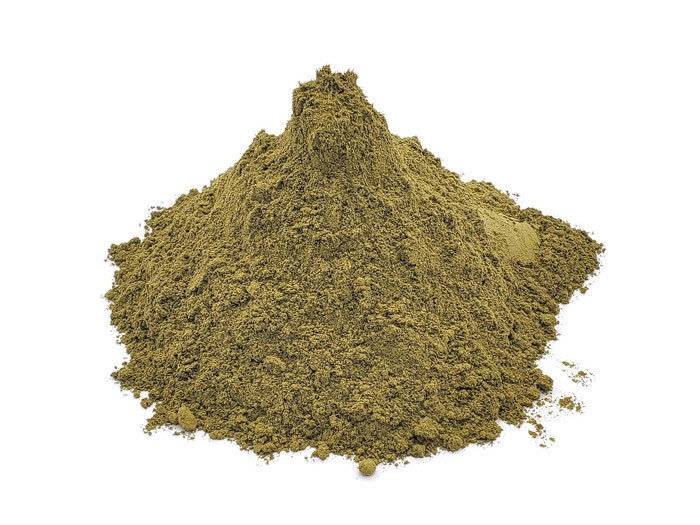
The distinctive taste of kratom has been a subject of both fascination and challenge for consumers and researchers alike. Understanding the complex relationship between kratom's flavor profile and its alkaloid composition provides valuable insights into product quality, processing methods, and consumer experience. This comprehensive exploration examines the science behind kratom's taste characteristics and how they relate to the plant's chemical makeup.
The Botanical Foundation of Kratom Flavor
Mitragyna speciosa, the botanical name for kratom, belongs to the coffee family (Rubiaceae), which immediately suggests certain taste characteristics. The leaves of this Southeast Asian tree contain over 25 different alkaloids, with mitragynine and 7-hydroxymitragynine being the most prominent. However, the flavor profile extends far beyond these primary compounds.
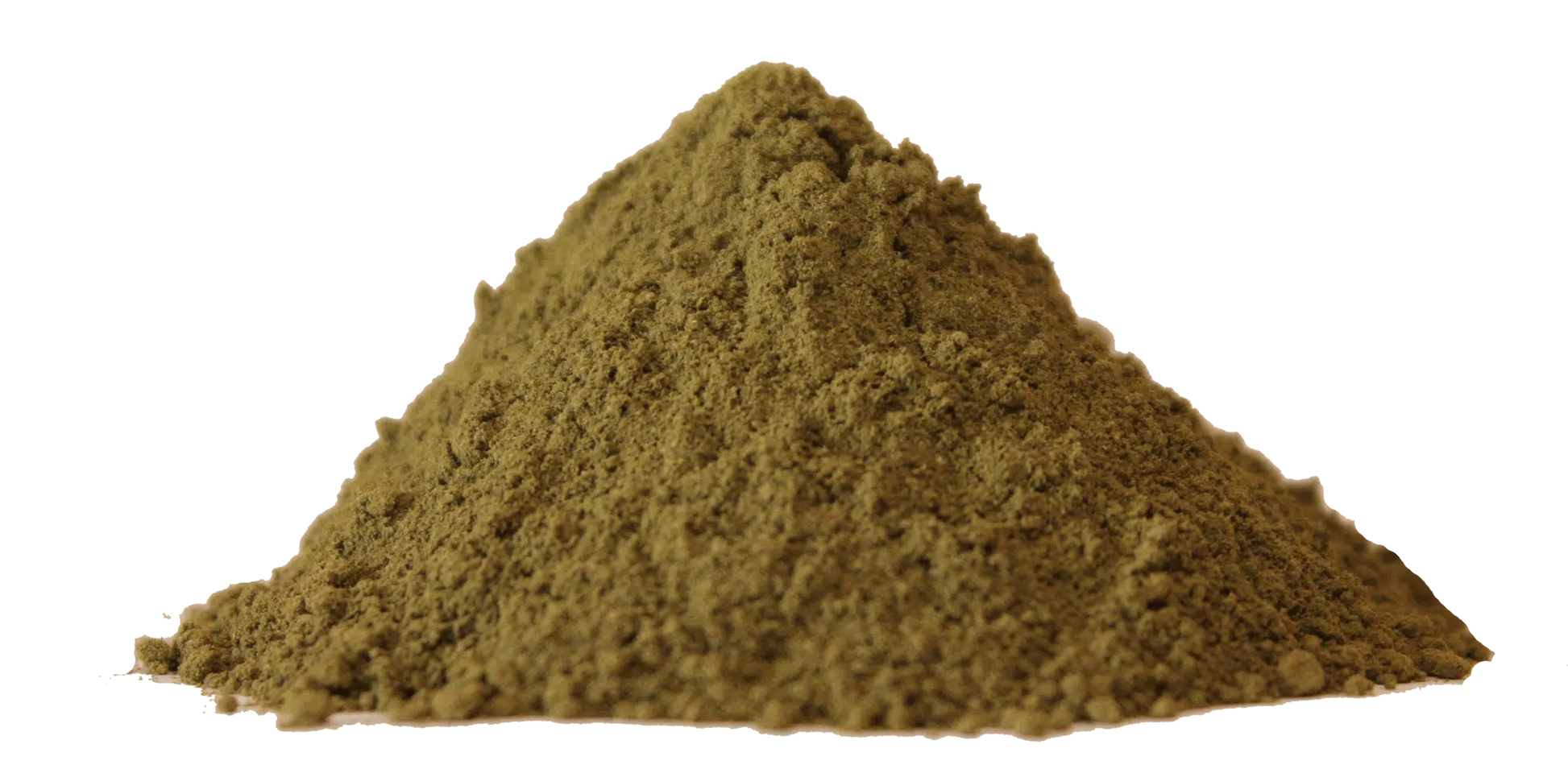
The taste of kratom powder is commonly described as earthy, bitter, and vegetal. These flavor notes arise from the complex interplay of alkaloids, tannins, flavonoids, and other phytochemicals present in the leaf material. Premium powdered kratom from mature leaves typically exhibits a more pronounced bitter profile compared to younger leaf material.
Alkaloid Profiles and Taste Intensity
Research into kratom's chemical composition reveals that alkaloid concentration directly correlates with taste intensity. High-quality wholesale kratom, such as the Red Maeng Da variety available from suppliers like Mitra Science, contains elevated levels of mitragynine, which contributes significantly to the characteristic bitter taste.

Different vein colors—red, green, and white—exhibit distinct flavor profiles. White vein kratom tends to have a sharper, more astringent taste, while red vein varieties often present a smoother, earthier flavor. Green vein kratom typically falls somewhere in between, offering a balanced taste profile that many consumers find more palatable.
Geographic Origin and Flavor Variations
Kratom sourced from different Southeast Asian regions displays notable flavor variations. Indonesian kratom from Bali, Borneo, and Sumatra each carries unique taste signatures influenced by soil composition, climate, and cultivation practices. Thai and Malaysian varieties add their own distinct characteristics to the flavor spectrum.

The Green Bali kratom variety, for instance, is often noted for its milder taste compared to Maeng Da strains. This difference stems from variations in alkaloid ratios and secondary metabolite content influenced by the specific terroir of each growing region.
Processing Methods and Taste Modification
The journey from fresh leaf to finished powder significantly impacts flavor development. Traditional drying methods—whether sun-dried, indoor-dried, or fermented—alter the chemical composition and consequently the taste profile. Fermentation processes used in some red vein varieties introduce additional flavor complexity through enzymatic and microbial activity.
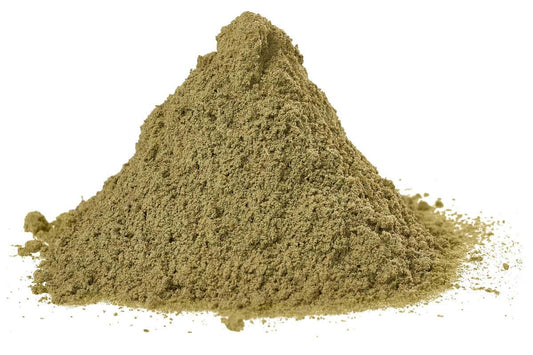
Grinding fineness also affects perceived taste intensity. Ultra-fine powders like those offered by Mitra Science have increased surface area, which can intensify flavor perception when the powder comes into contact with taste receptors. Their Green Malay kratom powder is ground to a flour-like consistency, maximizing both solubility and flavor release.
Chemical Compounds Contributing to Kratom's Taste
Beyond alkaloids, several other compound classes contribute to kratom's complex flavor profile. Tannins, which are polyphenolic compounds abundant in kratom leaves, impart astringency and bitterness. These same compounds are responsible for the characteristic taste of tea and coffee.
Tannin Content and Astringency
The astringent sensation produced by kratom results from tannins binding to proteins in saliva, creating a dry, puckering feeling in the mouth. Mature kratom leaves contain higher tannin concentrations, explaining why premium-grade kratom from fully mature trees tends to have a more pronounced astringent character.

Flavonoids, another significant compound class, contribute subtle notes to the overall flavor profile. While less dominant than alkaloids and tannins, flavonoids add complexity and can influence the aftertaste. The Yellow Maeng Da variety undergoes unique processing that may alter flavonoid content, resulting in a distinctive taste profile.
Vein Color Distinctions in Taste
The classification of kratom by vein color—red, green, and white—extends beyond visual appearance to encompass taste differences rooted in chemical composition. These variations arise from leaf maturity, harvesting timing, and post-harvest processing techniques.
Red Vein Flavor Characteristics
Red vein kratom typically presents the smoothest, most earthy flavor profile among the three primary categories. The alkaloid ratio in red varieties, combined with longer drying times and potential fermentation, creates a taste that many users describe as less harsh than other types. Products like Red Maeng Da from Mitra Science, priced from $85 per kilogram, exemplify this smoother taste profile.
Green Vein Balance
Green vein kratom offers a middle ground in flavor intensity. Harvested from leaves at moderate maturity and dried using balanced methods, green varieties combine the brightness of white strains with the smoothness of red. This balanced alkaloid profile translates to a taste that's approachable yet distinctly kratom.
White Vein Sharpness
White vein kratom delivers the most pronounced bitter and astringent taste. Harvested from younger leaves or processed using specific drying techniques that preserve certain alkaloid ratios, white varieties challenge the palate with their intensity. The sharp taste correlates with the unique alkaloid profile that distinguishes white vein kratom from its red and green counterparts.
Quality Indicators Through Taste Assessment
Experienced kratom consumers and quality control professionals can evaluate product quality through organoleptic assessment—using taste, smell, and appearance to judge purity and potency. Laboratory testing protocols at facilities like Mitra Science combine sensory evaluation with analytical testing for comprehensive quality assurance.

Fresh, high-quality kratom powder should exhibit a characteristic earthy-bitter taste without off-flavors suggesting contamination or degradation. Stale kratom may develop musty or sour notes, while adulterated products might present unexpected sweetness or chemical tastes.
Freshness and Flavor Degradation
The volatile compounds contributing to kratom's flavor profile are susceptible to degradation over time. Exposure to light, heat, and oxygen accelerates this process, resulting in flavor changes that signal diminished quality. Premium suppliers implement proper storage protocols to maintain flavor integrity throughout the supply chain.
Regional Taste Preferences and Market Segmentation
Consumer preferences for kratom flavor vary across different markets and demographic groups. Some consumers prefer the intense, authentic taste of traditional kratom powder, viewing it as an indicator of purity and potency. Others seek products with modified flavor profiles or flavored kratom preparations.
The wholesale kratom market reflects these preferences through diverse product offerings. Bulk suppliers like Mitra Science provide various strains with distinct taste profiles, allowing manufacturers and retailers to cater to different consumer segments. Their powdered leaves collection spans the full spectrum of flavor intensities.
The Role of Terroir in Kratom Flavor Development
Like fine wine or specialty coffee, kratom's flavor profile reflects its terroir—the unique environmental conditions where it grows. Soil mineral content, rainfall patterns, elevation, and surrounding vegetation all influence the phytochemical composition that determines taste.
Indonesian Borneo kratom, for example, develops flavor characteristics distinct from Thai varieties due to differences in volcanic soil composition and tropical climate variations. These terroir-driven distinctions create the diversity that characterizes the kratom market.
Analytical Methods for Flavor Profiling
Modern analytical chemistry provides tools for objective flavor assessment beyond subjective tasting. High-Performance Liquid Chromatography (HPLC) and Gas Chromatography-Mass Spectrometry (GCMS) enable precise quantification of alkaloids and other flavor-active compounds.
These techniques, employed by quality-focused suppliers working with certified laboratories, create chemical fingerprints that correlate with taste profiles. This scientific approach to flavor analysis supports consistent product quality and helps identify subtle variations between batches or regions.
Future Directions in Kratom Flavor Research
As the kratom industry matures, research into flavor chemistry continues to expand. Understanding the precise relationships between specific chemical compounds and taste perceptions could enable more targeted cultivation and processing methods. This knowledge might support the development of kratom varieties optimized for specific flavor preferences while maintaining desirable alkaloid profiles.
Emerging research also explores how processing innovations might modify flavor without compromising chemical integrity. Techniques borrowed from other botanical industries could potentially make kratom more palatable while preserving the complex alkaloid matrix that defines quality product.
The intersection of taste science and alkaloid chemistry represents a fascinating frontier in kratom research. As analytical capabilities advance and consumer preferences evolve, the industry's understanding of flavor will undoubtedly deepen, supporting better products and more informed consumer choices.
For those seeking to source high-quality kratom with well-defined flavor profiles and comprehensive laboratory testing, suppliers like Mitra Science offer products backed by rigorous quality control and transparent documentation. Their partnership with ACS Laboratories ensures that flavor characteristics align with verifiable alkaloid content and purity standards.