


Key Takeaways
- Kratom cultivation has evolved from wild harvesting to specialized farming techniques
- Different strains like Red Bali, Green Malay, and White Maeng Da require specific growing conditions
- Modern cultivation methods ensure consistency in alkaloid profiles across harvests
- Sustainable farming practices help preserve native Southeast Asian ecosystems
- Specialized equipment and techniques have improved kratom production efficiency
- Quality testing and processing methods have advanced significantly
- Genetic research is driving development of new kratom varieties with targeted properties
- Controlled cultivation environments produce more reliable alkaloid content
- Farm cultivation has created economic opportunities in Southeast Asian communities
- Laboratory testing ensures safety and consistency in modern kratom products
Introduction to Kratom's Journey from Wild Harvesting to Commercial Cultivation
Kratom (Mitragyna speciosa) has undergone a remarkable transformation in its cultivation journey. Once exclusively harvested from wild trees growing naturally in the rainforests of Southeast Asia, kratom is now increasingly cultivated on specialized farms. This transition represents not just a change in production methods, but a fundamental shift in how this botanical is sourced, processed, and distributed globally.
At Mitra Science, we've witnessed this evolution firsthand through our work with premium kratom varieties. The wild-to-farm transition has revolutionized consistency, sustainability, and quality in the kratom industry.

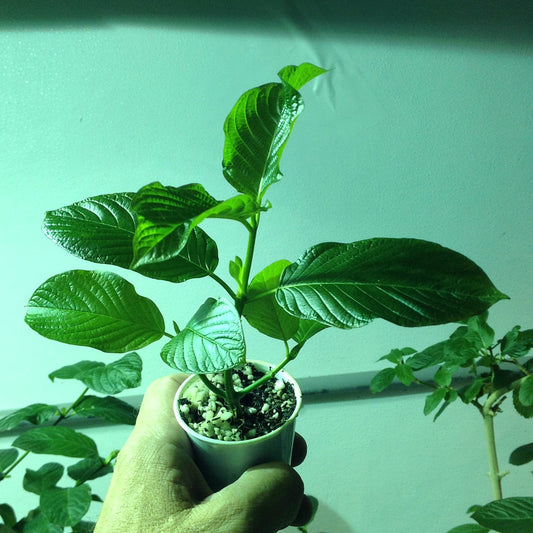
The transition from wild harvesting to farm cultivation has enabled greater control over growing conditions, harvesting techniques, and processing methods. This agricultural evolution has facilitated unprecedented precision in managing soil composition, watering schedules, light exposure, and nutrient delivery—all critical factors that influence kratom's alkaloid development and overall quality. Modern farming approaches now allow cultivators to optimize every aspect of the growing environment to produce kratom with specific characteristics and consistent alkaloid profiles.
Historical Context: Traditional Wild Harvesting Practices
For centuries, kratom was exclusively harvested from wild trees growing throughout the rainforests of Southeast Asia. Indigenous communities in countries like Thailand, Malaysia, and Indonesia developed specialized knowledge about identifying mature kratom trees, selecting the optimal leaves, and determining the best harvesting times based on seasonal changes.
Traditional wild harvesting involved climbing tall kratom trees that could reach heights of 80 feet or more. Harvesters would selectively pick leaves based on maturity, vein color, and other visual indicators of alkaloid content. This knowledge was passed down through generations, with experienced harvesters able to identify subtle differences in leaf characteristics that indicated potency and quality.


The seasonal timing of harvests played a crucial role in traditional wild harvesting. Different times of year would produce leaves with varying alkaloid profiles, creating natural variations that would later become identified as distinct "strains." These seasonal variations were closely tied to rainfall patterns, temperature fluctuations, and sunlight intensity throughout the year. Experienced harvesters developed intricate calendars indicating optimal harvesting periods for different alkaloid profiles, with some communities even correlating harvest times with lunar cycles to maximize alkaloid content.
While these traditional methods produced high-quality kratom, they were limited by:
- Unpredictable yields due to natural growth cycles
- Difficulty accessing remote forest locations
- Environmental impact on wild populations
- Inconsistency between batches
- Limited ability to scale production
These limitations eventually drove the transition toward more controlled cultivation methods as global demand for kratom increased. At Mitra Science's bulk kratom collection, we honor these traditional practices while embracing modern cultivation improvements.
The Catalyst for Change: Growing Global Demand
The transition from wild harvesting to farm cultivation didn't happen overnight. Several factors converged to drive this evolution in kratom production. The most significant catalyst was the dramatic increase in global demand, particularly from Western markets, which traditional wild harvesting methods simply couldn't satisfy.
As kratom gained popularity internationally in the early 2000s, the limitations of wild harvesting became increasingly apparent:
- Scale limitations: Wild harvesting couldn't produce sufficient quantities to meet growing demand
- Consistency challenges: Natural variations made it difficult to provide standardized products
- Sustainability concerns: Overharvesting threatened wild kratom populations
- Quality control issues: Wild harvesting made implementing testing protocols difficult
- Economic pressures: Inefficient collection methods kept prices high

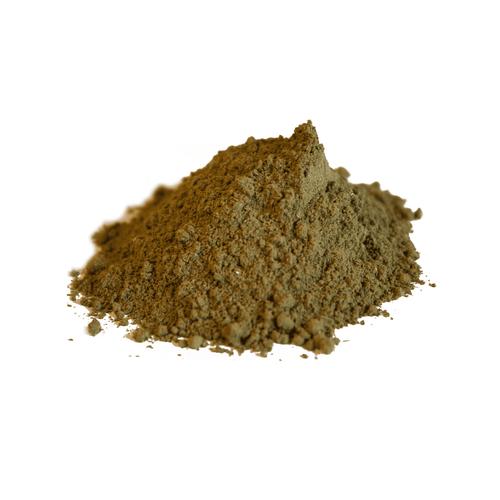
The market demand for products like our Green Malay Kratom and White Maeng Da Kratom necessitated a more efficient approach to cultivation. Entrepreneurs and agricultural experts in Southeast Asia recognized this opportunity and began experimenting with controlled cultivation methods that could address these challenges while preserving the quality characteristics that made wild kratom desirable.
This transition period saw the emergence of small-scale kratom farms, often run by families with generations of experience harvesting wild kratom. These early farms represented the first step in what would become a significant agricultural transformation. As knowledge spread and techniques improved, these small operations gradually expanded, developing more sophisticated growing methods and establishing the foundation for today's commercial kratom farming industry. The economic incentives were substantial, as cultivated kratom could command premium prices in international markets while offering more reliable income than traditional wild harvesting.
Early Cultivation Attempts: Challenges and Solutions
The initial attempts to domesticate kratom faced numerous obstacles. Early cultivators had to overcome significant challenges to successfully transition this wild botanical to farm settings. Many of these pioneering efforts involved trial and error as farmers experimented with different growing conditions, soil compositions, and cultivation techniques.
Some of the primary challenges included:
Replicating Natural Growing Conditions
Wild kratom thrives in specific rainforest environments with particular soil compositions, humidity levels, and light exposure patterns. Early farmers struggled to recreate these conditions, especially when attempting to grow kratom outside its native regions. Solutions involved developing specialized soil mixtures and creating microenvironments that mimicked natural rainforest conditions.
Genetic Variability
Wild kratom populations exhibit significant genetic diversity, resulting in inconsistent alkaloid profiles. Early cultivators worked to identify and propagate specific genetic lines that produced desirable characteristics, eventually developing more standardized kratom varieties.
Pest Management
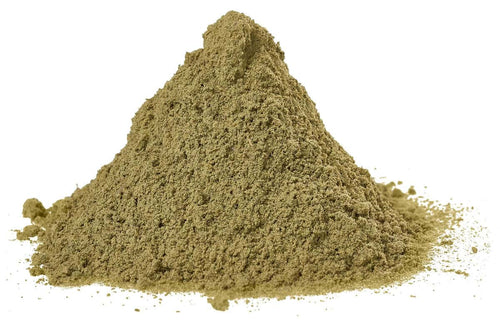
Domesticated kratom proved vulnerable to pests and diseases that were naturally controlled in wild ecosystems. Early farmers developed integrated pest management approaches that minimized chemical interventions while protecting crops. This often involved introducing beneficial insects, implementing crop rotation strategies, and developing organic deterrents that preserved the purity of the final product while keeping harmful organisms at bay.
Scaling Production
Moving from small-scale collection to agricultural production required developing new harvesting and processing methods. Innovations in leaf collection, drying techniques, and grinding processes helped early farmers scale their operations. This included designing specialized harvesting tools that could efficiently gather leaves without damaging the trees, as well as developing drying racks and facilities that could process large quantities of leaves while maintaining quality control.
These challenges drove continuous innovation in kratom cultivation. Through persistence and knowledge-sharing among farming communities, viable cultivation methods emerged that could produce high-quality kratom at scale. Products like our Red Bali Kratom and Green Bali Kratom represent the successful outcomes of these early cultivation efforts.
The Development of Strain-Specific Cultivation Techniques
As kratom cultivation matured, farmers began developing specialized techniques for growing different kratom strains. This represented a significant advancement from the early days of simply trying to grow kratom successfully. Now, cultivators were actively working to enhance and standardize the specific characteristics associated with popular varieties.
Red Vein Varieties
Red vein kratom varieties like Red Bali and Red Malay require specific cultivation approaches to develop their distinctive alkaloid profiles. Farmers discovered that these varieties benefit from:
- Extended maturation periods before harvest
- Specific fermentation techniques during processing
- Particular drying methods that influence alkaloid development
- Selective harvesting of fully mature leaves

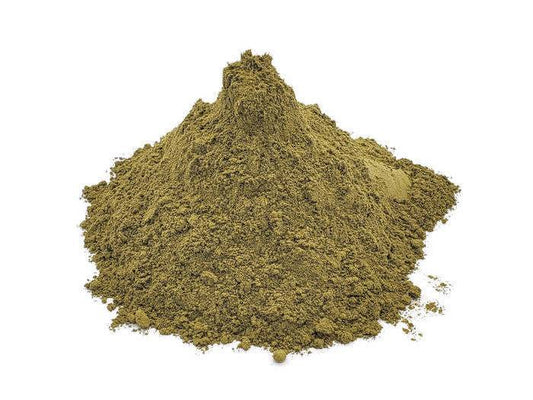
Our Red Vein Kratom collection showcases the results of these specialized cultivation techniques, offering products with consistent alkaloid profiles across multiple harvests.
Green Vein Varieties
Green vein varieties like Green Malay and Green Maeng Da require a different approach:
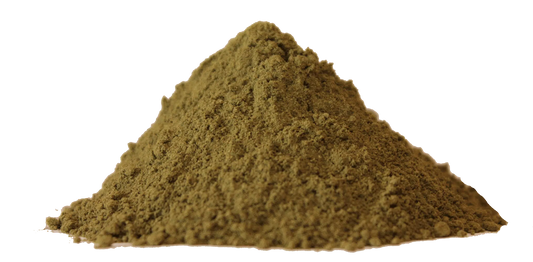
Farmers growing green vein kratom have found that the timing of the harvest is critical for developing the right alkaloid profile. They typically harvest leaves during the middle stage of maturity, when the leaves have developed a good balance of alkaloids. They also pay close attention to light exposure, often using partial shade structures to create ideal growing conditions. The soil composition is carefully managed with specific nutrient ratios that promote the development of the alkaloids associated with green vein varieties. Many farmers use a combination of indoor and outdoor growing phases to take advantage of natural sunlight while protecting plants from extreme weather.

White Vein Varieties
White vein varieties like White Maeng Da and White Borneo have their own cultivation requirements:
White vein kratom requires special attention to achieve its distinctive properties. Farmers typically harvest younger leaves when they show specific signs of maturity but before they fully mature. The drying process for white vein varieties often includes more direct sunlight exposure, which affects the final alkaloid balance. Farmers also use special pruning methods to shape the trees and encourage the growth patterns that produce the best white vein leaves. During processing, they take extra care to preserve the unique alkaloid ratios that give white vein kratom its characteristic properties.

Specialty Strains
Unique varieties like Yellow Vietnam and Red Horn require even more specialized cultivation approaches:
Specialty kratom strains need the most attention to detail. For varieties like Yellow Vietnam, farmers use specific fermentation techniques after harvesting that change the alkaloid profile in unique ways. The drying process is carefully controlled to promote certain chemical transformations that give these specialty strains their distinctive properties. Some specialty strains come from specific genetic lines that naturally produce unusual leaf characteristics, like the horn-shaped leaves of Red Horn kratom. Many specialty varieties are grown in controlled environments like greenhouses to maintain precise growing conditions that ensure consistency from batch to batch.


The development of these strain-specific cultivation techniques represents one of the most significant advancements in the wild-to-farm transition. By understanding the specific growing conditions that influence alkaloid development, farmers can now reliably produce consistent kratom varieties with predictable characteristics.
Modern Farming Infrastructure and Technology
The evolution of kratom cultivation has accelerated dramatically with the introduction of modern farming technologies and infrastructure. Today's kratom farms bear little resemblance to the small-scale operations of the early transition period. Instead, they utilize sophisticated agricultural techniques and technologies to maximize quality, consistency, and yield.
Advanced Irrigation Systems
Modern kratom farms employ precision irrigation systems that deliver exact amounts of water based on plant needs. These systems can be programmed to adjust watering schedules according to:
- Current soil moisture levels
- Weather conditions and forecasts
- Growth stage of the plants
- Seasonal variations in water requirements
This precise control over moisture helps prevent issues like root rot while ensuring optimal growing conditions throughout the year. Advanced drip irrigation technologies minimize water waste while delivering nutrients directly to the root zone, enhancing both sustainability and plant health.
Climate-Controlled Environments
Many premium kratom producers now utilize greenhouse technology or partial shade structures to create ideal growing environments. These controlled settings allow farmers to:
With climate-controlled growing environments, kratom farmers can create perfect conditions for their plants year-round. They maintain temperatures in the ideal range for kratom growth, typically between 70-90°F. They also carefully control humidity levels to match the natural rainforest conditions where kratom thrives, usually keeping relative humidity between 70-90%. Light exposure is managed with shade cloths or artificial lighting to create the perfect balance that influences alkaloid development. These controlled environments also protect the valuable kratom plants from extreme weather events like droughts, floods, or unusual cold snaps that could damage crops or affect quality.


Soil Management and Nutrient Delivery
Advanced soil testing and management practices have revolutionized kratom cultivation. Modern farms regularly analyze soil composition and adjust nutrients accordingly:
Modern kratom farms take soil management very seriously. They create customized fertilizer blends based on what each specific kratom strain needs. For example, some strains might need more nitrogen, while others benefit from higher potassium levels. They also use organic soil amendments like composted leaf matter and coconut coir that recreate the natural forest floor conditions where kratom naturally grows. Many farms add beneficial microorganisms to the soil that help the kratom plants absorb nutrients more efficiently. They also carefully monitor and adjust soil pH levels to keep them in the slightly acidic range that kratom prefers, typically between 5.5 and 6.5.
At Mitra Science, our premium kratom products benefit from these advanced growing techniques, ensuring consistent alkaloid profiles across all our varieties.
Harvesting and Processing Technology
The harvesting and processing stages have seen particularly significant technological advancements:
Modern kratom production uses specialized tools designed specifically for harvesting kratom leaves without damaging them. After harvesting, the leaves are brought to temperature and humidity-controlled drying rooms where conditions are carefully monitored to preserve alkaloid content. The dried leaves are then processed with precision grinding equipment that creates a consistent powder texture that customers prefer. Finally, advanced packaging systems seal the kratom in airtight containers that protect it from oxygen, moisture, and light, all of which can degrade the product over time.


These technological advancements have enabled the production of innovative products like our Liquid Kratom Extract, which requires precise extraction methods and quality control protocols.
The integration of modern farming infrastructure has transformed kratom cultivation from an unpredictable harvesting activity to a sophisticated agricultural operation. This evolution continues as new technologies and techniques are developed and refined.
Quality Control and Testing in Modern Kratom Production
One of the most significant benefits of the transition to farm cultivation is the implementation of comprehensive quality control and testing protocols. Unlike wild harvesting, where testing was often limited or inconsistent, modern kratom production incorporates multiple quality assurance checkpoints throughout the cultivation and processing journey.
Laboratory Testing for Alkaloid Content
Modern kratom producers utilize advanced laboratory testing to analyze and verify the alkaloid content of their products. These tests can:
Today's kratom testing labs use advanced equipment to measure exactly how much of each important alkaloid is in the kratom. They can detect even small amounts of mitragynine, 7-hydroxymitragynine, and other key compounds that determine kratom's properties. This testing helps ensure that each batch is consistent with previous ones, so customers get the same experience every time. The test results also help farmers figure out the perfect time to harvest their kratom for optimal alkaloid content. All these measurements ensure that the final products meet specific quality standards that premium brands like Mitra Science maintain.
Contaminant Screening
Quality-focused producers implement rigorous testing for potential contaminants:
Safety is a top priority in modern kratom production. Labs test for harmful bacteria like E. coli and Salmonella to make sure the kratom is safe to consume. They also check for heavy metals such as lead, arsenic, cadmium, and mercury, which can be harmful even in small amounts. Any pesticide residues are carefully measured to ensure they're below safe limits or not present at all. The testing also looks for environmental pollutants that might have made their way into the product during growing or processing. All these tests help ensure that the final product is pure and safe for consumers.
At Mitra Science, all our kratom products undergo comprehensive testing to ensure they meet the highest quality and safety standards.
Standardization Processes
Modern kratom production often includes standardization processes to ensure consistency:
To create consistent kratom products, producers use sophisticated blending techniques that combine different batches to achieve a target alkaloid profile. Before blending, they use sorting systems that separate leaves based on quality indicators like color, size, and vein characteristics. The drying process follows strict protocols with specific temperature and humidity levels to preserve the valuable alkaloids. When grinding the dried leaves into powder, they use consistent methods that create a uniform particle size, which ensures that each serving contains the same amount of active compounds. These standardization processes help deliver a reliable product that customers can count on every time.
Documentation and Traceability
Advanced kratom farms implement comprehensive documentation systems:
Modern kratom producers keep detailed records of every step in the production process. They track each batch from the original seed or cutting all the way to the final packaged product. They maintain logs of all growing conditions including temperature, humidity, watering schedules, and nutrient applications. They document exactly how each batch was processed, including drying times, fermentation methods, and grinding specifications. All test results are carefully archived so they can be referenced later for quality assurance or to comply with regulations. This comprehensive documentation system ensures accountability and helps continuously improve the production process.
These quality control measures represent a dramatic improvement over traditional wild harvesting methods. By implementing rigorous testing and standardization protocols, modern kratom producers can deliver products with consistent quality, purity, and potency.
Sustainability Practices in Modern Kratom Farming
As kratom cultivation has evolved, sustainability has become increasingly important. Modern kratom farming incorporates numerous eco-friendly practices designed to minimize environmental impact while ensuring long-term viability. This focus on sustainability represents another significant improvement over unregulated wild harvesting, which sometimes led to overexploitation of natural resources.
Agroforestry Approaches
Many modern kratom farms utilize agroforestry techniques that integrate kratom cultivation with existing forest ecosystems:
Instead of clearing forests to create open fields, sustainable kratom farmers often plant their trees alongside native forest species. This creates a multi-layered canopy system similar to natural forests, with kratom trees growing under taller native trees that provide partial shade. This approach helps maintain biodiversity by preserving habitat for local wildlife and plants. Many farms also create or preserve wildlife corridors that allow animals to move through the farming areas, helping to maintain healthy ecosystem connections. These agroforestry methods produce high-quality kratom while protecting the natural environment.

Water Conservation
Sustainable kratom farms implement water conservation practices:
Water is precious, and sustainable kratom farms work hard to use it wisely. Many farms install rainwater harvesting systems that collect and store rainwater during wet seasons for use during drier periods. They use efficient drip irrigation systems that deliver water directly to the plant roots, reducing waste through evaporation or runoff. Some operations have water recycling systems that clean and reuse water from processing activities. Many farms also implement watershed protection measures like buffer zones along waterways and erosion control practices that help maintain clean water sources for both the farm and surrounding communities.
Organic Growing Methods
Many quality-focused producers utilize organic or near-organic growing methods:
Instead of synthetic pesticides, sustainable kratom farms use natural pest management techniques like introducing beneficial insects that eat harmful pests. They fertilize with organic materials like compost, manure, and natural minerals rather than chemical fertilizers. By avoiding synthetic chemicals, they protect the soil, nearby water sources, and the health of farm workers. Many farms operate their own composting systems that recycle plant waste back into valuable soil amendments, creating a closed-loop system that minimizes waste and external inputs.

Genetic Diversity Preservation
Responsible kratom farmers work to maintain genetic diversity:
Forward-thinking kratom farmers create seed banks that preserve diverse kratom varieties, including rare types that might otherwise be lost. They make special efforts to maintain landrace strains - the original, naturally-occurring varieties that have adapted to specific local environments over many generations. Some farms run cross-pollination programs where they carefully breed different kratom varieties to maintain genetic vigor and resilience. Many also partner with botanical research institutions to study and preserve kratom's genetic heritage for future generations.
At Mitra Science, we prioritize sourcing from farms that implement these sustainable practices. This commitment ensures not only the quality of our products but also the long-term viability of kratom cultivation for future generations.
The Role of Processing in Modern Kratom Production
The transition from wild harvesting to farm cultivation has been accompanied by significant advancements in processing techniques. Modern processing methods have become increasingly sophisticated, allowing for greater consistency, improved shelf life, and enhanced product quality.
Drying Innovations
Modern kratom processing utilizes specialized drying techniques that preserve alkaloid content while preventing contamination:
Today's kratom producers use carefully designed drying rooms where they can control both temperature and humidity to dry leaves slowly and evenly. These facilities are often built with UV-protected materials to prevent sunlight from degrading the valuable alkaloids in the leaves. They install powerful air circulation systems that ensure all leaves dry at the same rate, preventing mold or uneven drying. Different kratom varieties often require different drying times and conditions, so producers follow specific timing protocols for each type to achieve the desired alkaloid profile.

Fermentation Techniques
Certain kratom varieties, particularly red and yellow strains, undergo controlled fermentation processes:
For red and yellow kratom varieties, fermentation is a crucial step that develops their unique properties. Producers maintain precise humidity and temperature conditions during the fermentation process, typically using sealed rooms or containers where these factors can be controlled exactly. They carefully time the fermentation period - too short and the desired alkaloid transformations won't occur, too long and the product could be ruined. Many use specialized containers made of specific materials that create the ideal environment for fermentation. Throughout the process, they monitor conditions closely to prevent over-fermentation, which could degrade the quality of the final product.
Grinding and Milling Advancements
Modern processing utilizes advanced grinding technologies:
The grinding process has become highly sophisticated in modern kratom production. Producers use temperature-controlled grinding equipment that prevents the heat generated during grinding from damaging the alkaloids. Many facilities use a multi-stage grinding process that gradually reduces the leaf material to the desired fineness without overheating it. The equipment is designed to minimize exposure to oxygen during grinding, which can cause oxidation and degradation of the alkaloids. Producers carefully calibrate their grinding equipment to produce a consistent particle size, which ensures that the final product dissolves properly and provides a consistent experience.
Extract Production
Advanced processing methods have enabled the development of specialized kratom extracts:
Creating kratom extracts requires advanced processing techniques. Producers use carefully selected solvents that can effectively extract the desired compounds while leaving behind unwanted plant materials. After extraction, they use concentration methods like evaporation or filtration to increase the potency of the extract. For liquid products like Mitra Science's Liquid Kratom Extract, some producers use nano-emulsification technology that breaks the extract into tiny particles for better absorption. Throughout the process, they implement standardization procedures to ensure that each batch has consistent potency, so customers get reliable results every time.
Packaging Innovations
Modern kratom processing includes advanced packaging methods:
Packaging plays a crucial role in maintaining kratom quality after processing. Modern producers use materials with oxygen barrier properties that prevent air from degrading the alkaloids over time. Many include moisture control packets in their packaging that maintain the optimal humidity level inside the package. The packaging materials are often UV-resistant to protect the contents from light exposure, which can break down alkaloids. For consumer safety and quality assurance, reputable companies use tamper-evident seals that show if a package has been opened before reaching the customer.
These processing advancements represent another significant benefit of the wild-to-farm transition. By implementing controlled, standardized processing techniques, modern kratom producers can deliver products with consistent quality, extended shelf life, and reliable characteristics.
Economic Impact of the Wild-to-Farm Transition
The evolution of kratom cultivation from wild harvesting to farm production has had profound economic implications for both producing regions and the global market. This transition has created new economic opportunities while also addressing some of the challenges associated with traditional wild harvesting.
Job Creation and Stable Employment
Modern kratom farming has created stable employment opportunities in producing regions:
Unlike wild harvesting, which typically provided only seasonal work, kratom farms offer year-round employment that provides more stable incomes for workers and their families. As the industry has developed, it has created specialized positions in quality control and laboratory testing that require technical skills and offer better wages. Larger operations need managers and administrative staff to handle business operations, creating white-collar job opportunities in rural areas. The growth of kratom farming has also boosted supporting industries like packaging production, transportation, and equipment manufacturing, creating a ripple effect of economic benefits throughout local economies.
Price Stabilization
Farm cultivation has helped stabilize kratom pricing:
Farm cultivation has made the kratom supply much more predictable than wild harvesting, which helps reduce price swings in the market. Large-scale farming operations benefit from economies of scale that lower the cost per kilogram of producing kratom, making it more affordable. As more farms have entered the market, healthy competition has helped keep prices reasonable while maintaining quality standards. Companies like Mitra Science can now offer consistent pricing on bulk products like Red Bali Kratom Wholesale at $65 per kilogram (with a minimum order of 10 kilograms), providing predictable costs for businesses further down the supply chain.
Value-Added Processing
The farm-to-market model has created opportunities for value-added processing:
The consistent quality of farm-grown kratom has enabled the development of specialized products that command premium prices in the market. Extract production creates higher-value items from raw kratom leaf, increasing profit margins and creating additional revenue streams. Many farms now produce multiple product formats from the same harvest, maximizing the value they can extract from their crops.
This economic transformation has provided significant benefits to farming communities while creating a more stable and sustainable kratom market for consumers worldwide.