


Drying methods play a big role in preserving the chemical compounds (alkaloids) in botanical materials like Yellow Maeng Da Kratom. Let's explore how air drying and oven drying affect these compounds, using information from scientists and botanical processors. We'll look at the differences that can significantly impact the final product's chemical composition.
Key Takeaways
| Aspect | Air Drying | Oven Drying |
|---|---|---|
| Duration | Longer (days to weeks) | Shorter (hours to days) |
| Temperature Control | Limited | Precise |
| Alkaloid Preservation | Generally better | Can be compromised if not carefully controlled |
| Energy Efficiency | High | Lower |
| Scalability | Limited by space and climate | More easily scalable |
1. Understanding Alkaloids in Plants
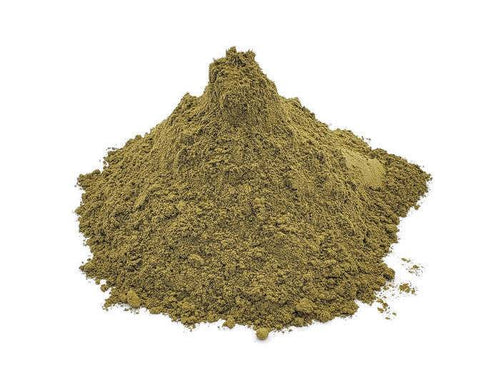
Alkaloids are nitrogen-containing secondary metabolites found in plants like Green Maeng Da Kratom. These compounds exhibit distinct chemical properties and molecular structures. How we dry the plants can significantly affect alkaloid preservation and stability. Alkaloids are important because they represent the bioactive compounds that define a plant's chemical profile. Maintaining these alkaloids during drying is crucial because it affects the consistency and chemical integrity of the final product.

2. The Science of Drying Plant Material
Drying is a fundamental preservation technique for botanical materials. It removes moisture, which prevents microbial growth and extends shelf life. Choosing between air drying and oven drying can alter the alkaloid composition in plants like Red Maeng Da Kratom. When we dry plants, complex biochemical processes occur within the plant matrix. As water is removed, other compounds become more concentrated, which can affect the stability of various constituents, including alkaloids.
3. Air Drying: A Traditional Approach
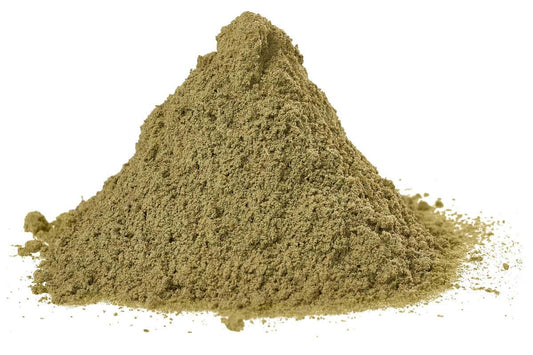
Air drying is a traditional method of preserving botanical materials. You spread out the plant material in a well-ventilated area and allow natural dehydration. For materials like kratom leaf, air drying can help maintain alkaloid integrity. It's gentle and gradually removes moisture, which is less disruptive to the plant's cellular structure. This method often achieves more uniform dehydration, reducing the risk of localized overheating that might damage alkaloids. However, air drying depends heavily on environmental conditions and can take considerable time, which might not be suitable for large-scale production.
4. Oven Drying: A Modern Alternative
Oven drying is a faster, more controlled method of dehydrating botanical materials. It uses artificial heat to remove moisture rapidly. While efficient, oven drying can potentially affect the alkaloids in products like White Maeng Da Kratom. The elevated temperatures can accelerate chemical reactions within the plant matrix, which might degrade some thermally-sensitive compounds. However, the precise control over temperature and time in oven drying can be beneficial for achieving consistent batch-to-batch results.
5. Temperature Sensitivity of Alkaloids
Alkaloids can be thermally sensitive compounds. If oven drying isn't carefully controlled, it might compromise certain alkaloids. This is particularly important for products like Red Horn Kratom, where maintaining the natural alkaloid profile is crucial. Different alkaloids exhibit varying thermal stability, so the optimal drying temperature can vary depending on which compounds you want to preserve.
6. Drying Time and Alkaloid Preservation
The duration of the drying process can influence alkaloid preservation. Air drying typically requires longer timeframes but might be gentler on the plant compounds. Oven drying is faster but requires careful monitoring to prevent overheating. This balance is important for products like Green Bali Kratom. The extended time required for air drying can sometimes lead to more complete dehydration, which might improve the dried material's stability. However, prolonged environmental exposure during air drying can also risk contamination or photodegradation.
7. Moisture Content and Alkaloid Stability
Residual moisture content in dried botanical materials can affect alkaloid stability during storage. Air-dried products might retain slightly higher moisture levels, while oven-dried materials often achieve lower moisture content. This is important for long-term alkaloid preservation in products like White Borneo Kratom. Achieving optimal moisture levels is challenging; excessive moisture can promote microbial growth, while insufficient moisture can make the material brittle and potentially cause volatile compound loss.
8. Comparing Alkaloid Profiles
Research indicates that air drying and oven drying can result in different alkaloid profiles. Some studies suggest air drying might preserve certain alkaloids better, while oven drying might be more suitable for others. This difference is important to consider when processing plants like Mitragyna parvifolia. The variations in alkaloid profiles can be attributed to factors such as dehydration rate, oxidative exposure, and potential thermal degradation.
9. Impact on Minor Alkaloids
While major alkaloids receive considerable attention, minor alkaloids can also be affected by drying methods. These less abundant compounds might contribute to the overall chemical profile of products like powdered leaves. The choice between air and oven drying can influence the preservation of these minor alkaloids. Despite their lower concentrations, minor alkaloids can play important roles in the overall chemical composition of botanical products.
10. Drying Methods and Product Quality
The drying method can affect not just alkaloid content but also other aspects of product quality. Characteristics like color, texture, and aroma can be influenced by how the plant is dried. This is particularly important for products like kratom extracts, where consistency is crucial. The appearance and aromatic properties of dried plant material are important for quality assessment and ensuring product uniformity.
11. Balancing Efficiency and Alkaloid Preservation
Choosing between air drying and oven drying often involves balancing processing speed with alkaloid preservation. While oven drying is faster and more controllable, air drying might be superior for preserving alkaloids. This balance is crucial for producers of products like Mitragyna hirsuta. The decision often depends on factors such as production volume, available space, climate conditions, and specific quality requirements.
12. Best Practices for Alkaloid Preservation
Based on current research and industry practices, using a combination of drying methods might yield optimal results for alkaloid preservation. Some processors begin with air drying and finish with carefully controlled oven drying. This hybrid approach aims to maximize alkaloid retention while ensuring adequate moisture removal. Best practices also include continuous environmental monitoring throughout the drying process, regardless of the method employed.
Conclusion: Choosing the Right Drying Method
The impact of air drying versus oven drying on alkaloid profiles is complex and continues to be studied by researchers. While air drying might be superior for alkaloid preservation, oven drying offers speed and control advantages. The optimal approach often depends on the specific botanical material, desired product characteristics, and production scale. For those interested in products like live kratom trees, understanding these drying processes can provide insight into product quality and consistency.
As research progresses, we can expect to see improved drying techniques that balance efficiency with alkaloid preservation. For now, producers and researchers should consider the drying method as a critical factor in the overall quality of botanical products. Future developments might include advanced drying chambers, novel technologies like microwave-assisted drying, or even genetically optimized plant varieties that better withstand processing conditions. Continued collaboration between researchers, producers, and regulators will be essential in advancing our understanding and practices in this critical aspect of botanical product manufacturing.