


Key Takeaways
- Ethanol extraction offers dual solubility, extracting both water-soluble and fat-soluble compounds
- Water extraction is more selective, primarily targeting water-soluble compounds
- Ethanol typically yields higher extraction efficiency for botanical compounds
- Water extraction is more environmentally friendly but generally less efficient
- Temperature significantly impacts both extraction methods' efficiency
- Hydroethanolic mixtures combine benefits of both solvents for optimal extraction
- Material preparation (particle size, moisture content) critically affects extraction yield
- Advanced technologies like ultrasonic and microwave assistance can enhance efficiency
- Regulatory and safety considerations favor water extraction for certain applications
- Extract quality assessment requires comprehensive analytical testing
Introduction to Botanical Extraction Methods
Botanical extraction is the basic process of isolating valuable compounds from plant materials using solvents. This technique is key to producing high-quality botanical products across many industries. Understanding the differences between ethanol and water as extraction solvents is important for anyone working with botanical materials. The extraction method you choose greatly affects the final extract's composition, potency, and uses. Your solvent choice determines whether certain bioactive compounds are successfully isolated or left behind in the plant material.

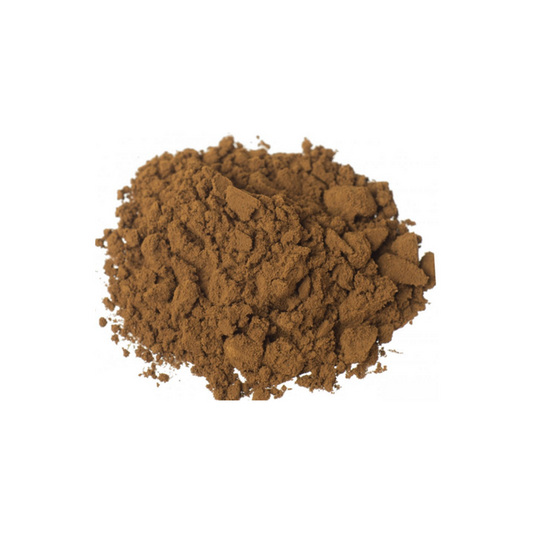
At its core, extraction works by dissolving specific compounds from plant material using a solvent that can effectively separate desired substances from the plant matrix. The success of this process depends on many factors, including the solvent type, temperature, time, and the botanical material itself. Among the various extraction methods available today, ethanol and water extraction remain two of the most widely used approaches. Each offers distinct advantages and limitations for different applications. The physical and chemical properties of these solvents determine their ability to penetrate plant tissues and dissolve specific compounds, which directly impacts the overall extraction efficiency and quality of the resulting extract.
Our Botanical Powder Collection showcases products derived from carefully selected plants using optimized extraction methods. These botanical powders preserve the natural properties of their source materials, providing concentrated forms of valuable plant compounds for various uses. The choice between ethanol and water extraction plays a crucial role in determining which compounds are present in the final product and at what concentrations. This selection process requires careful consideration of the target compounds' chemical properties, the desired application of the final extract, and the specific characteristics of the plant material being processed.
The Science Behind Extraction Solvents
The basic principle governing extraction efficiency is "like dissolves like" - a concept explaining why solvents best extract compounds with similar polarity. This principle helps us understand why ethanol and water extract different compounds from the same plant material, and why their extraction efficiencies vary significantly depending on the target compounds. The polarity of a solvent determines its ability to form attractions with specific compounds, which directly influences its extraction capability. Understanding these molecular interactions is essential for optimizing extraction processes and predicting which compounds will be successfully isolated from botanical materials.

Ethanol as an Extraction Solvent
Ethanol (C₂H₅OH) has a unique molecular structure that gives it versatile extraction capabilities. Its structure includes both polar and nonpolar components:
- The hydroxyl group (-OH) provides ethanol with its polar characteristics, allowing it to dissolve water-soluble compounds like certain alkaloids, glycosides, and some flavonoids. This polar region forms hydrogen bonds with similar polar compounds in plants, facilitating their dissolution and extraction from the plant matrix.
- The ethyl group (C₂H₅-) gives ethanol nonpolar properties, enabling it to extract fat-soluble compounds such as essential oils, resins, and certain alkaloids that water cannot dissolve. This nonpolar region interacts with hydrophobic plant compounds through van der Waals forces, allowing ethanol to dissolve compounds that would remain untouched by purely polar solvents.
This dual solubility makes ethanol exceptionally versatile as an extraction solvent. It can extract a wide spectrum of compounds from plant materials, creating more comprehensive extracts than many other solvents. Our Extracts Collection features products that showcase ethanol's efficient extraction capabilities, providing concentrated botanical preparations with broad compound profiles. The versatility of ethanol allows for the creation of full-spectrum extracts that maintain a wide range of bioactive compounds, preserving more of the plant's natural synergistic properties.
Water as an Extraction Solvent
Water (H₂O) is a highly polar solvent with distinct extraction characteristics:
Water is excellent at extracting water-soluble (hydrophilic) compounds like certain alkaloids, glycosides, and tannins. Water's high polarity makes it particularly effective for compounds with charged groups or those capable of forming hydrogen bonds, including many plant compounds.
Water has limited ability to extract oil-soluble (hydrophobic) compounds such as essential oils and resins. Water's polar nature creates a significant energy barrier to dissolving nonpolar compounds, resulting in very low extraction efficiency for these substances.
Water is environmentally friendly and cost-effective, making it suitable for large-scale operations. Water extraction eliminates concerns about toxic solvent residues and reduces production costs, particularly important for food, beverage, and pharmaceutical applications.
Water generally requires higher temperatures for optimal extraction, as heat increases the solubility of many compounds in water. Temperature manipulation significantly enhances water's extraction capability by increasing molecular movement and breaking intermolecular bonds in the plant material.
Ethanol Extraction Efficiency Analysis
Ethanol extraction is known for its high efficiency in extracting a broad spectrum of compounds from botanical materials. Its effectiveness stems from several factors that work together to create comprehensive extracts with diverse compound profiles. The molecular structure of ethanol allows it to penetrate plant cell walls effectively while dissolving a wide range of phytochemicals with varying polarities. This versatility makes ethanol extraction particularly valuable for creating full-spectrum botanical products that preserve the complex chemical composition of the original plant material.


Key Factors Affecting Ethanol Extraction Efficiency
The efficiency of ethanol extraction depends on several critical parameters that can be adjusted to optimize the process for specific botanical materials and target compounds:
1. Ethanol Concentration: The percentage of ethanol in the solvent mixture significantly impacts which compounds are extracted and in what quantities:
95-99.5% ethanol (high concentration) is best for extracting nonpolar compounds like essential oils, resins, and chlorophyll. This high concentration minimizes water content, allowing ethanol to function primarily as a nonpolar solvent and effectively dissolve lipophilic plant compounds that water-based extraction methods can't access.
70-80% ethanol (medium concentration) provides balanced extraction of both polar and nonpolar compounds, often yielding the most comprehensive extracts. This concentration range is widely used in commercial extractions because it creates a solvent environment capable of dissolving a broad spectrum of phytochemicals, resulting in extracts that better represent the complete chemical profile of the plant.
40-60% ethanol (low concentration) is better for extracting more water-soluble compounds while still capturing some nonpolar constituents. These lower concentrations favor the extraction of glycosides, certain alkaloids, and other moderately polar compounds while reducing the co-extraction of highly nonpolar substances like waxes and chlorophyll.
2. Temperature: The temperature at which extraction occurs plays a crucial role in efficiency:
Cold extraction (-20°C to -40°C) reduces co-extraction of unwanted compounds like chlorophyll and plant waxes, resulting in cleaner extracts. Low-temperature extraction is particularly valuable for creating high-purity extracts where the presence of pigments and other plant materials would interfere with the final product quality or appearance.
Room temperature (20-25°C) provides balanced extraction of most compounds without thermal degradation. This temperature range represents a practical compromise that allows efficient extraction of most target compounds while preserving heat-sensitive molecules and minimizing energy costs.
Warm extraction (30-60°C) increases solubility and extraction rate but may degrade heat-sensitive compounds. Elevated temperatures accelerate the extraction process by increasing molecular movement and enhancing the solvent's ability to penetrate plant tissues, but this benefit must be weighed against the potential degradation of thermally unstable compounds.
3. Contact Time: The duration of contact between ethanol and plant material affects overall yield:
Short extractions (minutes to hours) are suitable for easily extractable compounds and when speed is prioritized. Brief extraction periods are often sufficient for compounds located on the surface of plant materials or those with high solubility in ethanol, allowing for rapid production cycles in commercial settings.
Extended extractions (days to weeks) maximize yield for difficult-to-extract compounds, allowing ethanol to thoroughly penetrate plant material. Longer maceration periods permit the solvent to fully permeate dense plant tissues and dissolve compounds that are bound to structural elements or contained within intact cell structures, resulting in more complete extraction.
Our High Potency Kratom Products demonstrate the results of optimized ethanol extraction parameters, delivering concentrated formulations with enhanced profiles. These products showcase how proper control of extraction variables leads to superior botanical preparations with consistent potency and comprehensive compound profiles that preserve the natural properties of the source material.
Advantages of Ethanol Extraction
Ethanol extraction offers numerous benefits that have made it a preferred method for many botanical applications:
- Versatility: Extracts both polar and nonpolar compounds, creating full-spectrum extracts that contain a wide range of plant constituents. This versatility allows ethanol to capture a more complete representation of the plant's natural chemical composition, preserving potential synergistic interactions between different compounds.
- Scalability: Easily scaled from small laboratory preparations to industrial production. Ethanol extraction processes can be adapted to various production volumes, making this method suitable for both artisanal and commercial-scale operations without significant changes to the fundamental extraction parameters.
- Regulatory Acceptance: Generally recognized as safe (GRAS) by regulatory bodies, making ethanol extracts suitable for various consumer products. Ethanol's established safety profile and long history of use in food and pharmaceutical applications facilitate regulatory approval for products containing ethanol extracts.
- Efficiency: High extraction rates for most botanical compounds, often yielding more concentrated extracts than water. Ethanol typically achieves greater overall extraction efficiency, requiring less starting material to produce extracts with equivalent potency compared to water extraction.
- Preservation: Maintains the integrity of many heat-sensitive compounds when used at room temperature or below. Ethanol's ability to efficiently extract at ambient or reduced temperatures helps preserve thermally unstable compounds that might be degraded during hot water extraction processes.
Water Extraction Efficiency Analysis
Water extraction, while more limited in scope than ethanol extraction, offers distinct advantages for certain applications. Its efficiency characteristics make it particularly valuable for extracting specific water-soluble compounds and for applications where safety and environmental concerns are paramount. Water's unique properties as a solvent, including its high polarity, hydrogen bonding capabilities, and thermal properties, give it special utility in botanical extraction despite its limitations with nonpolar compounds.


Key Factors Affecting Water Extraction Efficiency
Several important parameters determine the efficiency of water extraction:
1. Temperature: Water temperature dramatically impacts extraction efficiency:
Cold water (4-20°C) provides gentle extraction with minimal degradation of heat-sensitive compounds, but generally yields lower concentrations. Cold water extraction is particularly valuable for preserving volatile compounds and delicate flavors in certain botanical applications, though it requires significantly longer extraction times to achieve adequate yields.
Warm water (40-60°C) offers increased solubility and extraction rate for many compounds, balancing efficiency with compound preservation. This moderate temperature range accelerates extraction while minimizing thermal degradation, making it suitable for a wide range of botanical materials where both yield and compound integrity are important.
Hot water (80-100°C) delivers maximum extraction efficiency for water-soluble compounds but may degrade certain heat-sensitive constituents. Near-boiling temperatures dramatically increase the solvent capacity of water and facilitate rapid extraction, particularly for compounds bound within plant cell structures, but can cause chemical transformations or degradation of thermally unstable molecules.
2. pH Level: The acidity or alkalinity of water significantly affects which compounds are extracted:
Acidic water (pH 4-6) enhances extraction of alkaloids and certain compounds that are more soluble in acidic conditions. Many alkaloids exist as salts within plant tissues but become more soluble when converted to their free base form in acidic environments, significantly improving their extraction efficiency.
Neutral water (pH 7) provides standard extraction conditions suitable for most applications. Neutral pH serves as a baseline for water extraction, offering balanced extraction of various compound classes without specifically favoring acidic or basic substances.
Alkaline water (pH 8-10) improves extraction of certain phenolic compounds and other constituents that dissolve better in alkaline conditions. Basic conditions can enhance the extraction of compounds with acidic functional groups by converting them to their more water-soluble salt forms, particularly beneficial for phenolic compounds like flavonoids and tannins.
3. Extraction Time: The duration significantly impacts yield and extract composition:
Brief extraction (5-15 minutes) is suitable for easily soluble compounds and quick preparations. Short extraction times are often sufficient for surface compounds or those with high water solubility, making this approach practical for simple infusions and some commercial applications where processing time impacts production costs.
Standard extraction (30-60 minutes) provides balanced approach for most applications, extracting moderate amounts of compounds. This duration represents a practical compromise between extraction efficiency and processing time, allowing reasonable yields while maintaining production efficiency.
Extended extraction (hours) maximizes yield for difficult compounds but may increase the extraction of unwanted constituents. Prolonged extraction allows water to fully penetrate plant materials and dissolve compounds that are more tightly bound to the plant matrix, but may also extract bitter or astringent compounds that can negatively affect flavor profiles.
Our Mitragyna Speciosa collection includes products that showcase the results of optimized extraction techniques, preserving the natural properties of these botanical materials. These products demonstrate how proper extraction parameters can maintain the integrity of plant compounds while providing concentrated preparations with consistent quality and potency for various applications.
Advantages of Water Extraction
Water extraction offers several important benefits that make it valuable for specific applications:
- Safety: Non-toxic and environmentally friendly, eliminating concerns about solvent residues. Water extraction requires no additional safety precautions regarding solvent handling or exposure and produces no hazardous waste, making it suitable for operations without specialized safety equipment or training.
- Cost-effectiveness: Water is the most economical solvent, reducing production expenses. The negligible cost of water as a solvent significantly reduces raw material expenses, particularly important for large-scale operations where solvent costs can represent a substantial portion of production expenses.
- Selectivity: Primarily extracts water-soluble compounds, reducing the need for extensive purification in some applications. This natural selectivity can be advantageous when specific hydrophilic compounds are the target, as it automatically excludes many lipophilic components that might otherwise require removal through additional processing steps.
- Regulatory compliance: Meets clean-label and natural product standards, important for food and beverage applications. Water extracts are generally perceived as more natural by consumers and face fewer regulatory hurdles in food, beverage, and supplement applications, supporting clean-label marketing claims.
- Simplicity: Requires less specialized equipment than other methods, making it accessible for smaller operations. Water extraction can often be performed with standard food-grade equipment, reducing capital investment requirements and making this approach feasible for smaller producers or those entering the botanical products market.
Comparative Analysis: Ethanol vs. Water Extraction Efficiency
When directly comparing ethanol and water extraction methods, several key parameters determine overall efficiency. Understanding these differences helps in selecting the optimal method for specific botanical materials and desired outcomes. The choice between these solvents involves balancing factors such as yield, selectivity, processing requirements, and cost considerations, with the optimal selection depending on the specific goals of the extraction process and the characteristics of the target compounds.

Extraction Yield Comparison
Extraction yield refers to the quantity of compounds extracted relative to the starting material, a critical measure of efficiency:
- Ethanol extraction: Generally achieves higher overall yields, typically 15-25% by weight of the starting material. This superior yield is primarily due to ethanol's ability to dissolve a broader spectrum of compounds, including both polar and nonpolar constituents that contribute to the total extract mass. For many botanical materials, ethanol can extract nearly twice the total soluble content compared to water alone.
- Water extraction: Typically produces lower yields, usually 8-15% by weight of the starting material. Water's limited ability to dissolve lipophilic compounds means that a significant portion of plant constituents remain unextracted, resulting in lower overall yields even when extraction conditions are optimized for maximum efficiency.
The difference in yield is primarily due to ethanol's ability to extract both polar and nonpolar compounds, while water primarily extracts water-soluble components. This broader extraction capability gives ethanol a significant advantage when maximum yield is the primary goal. For applications where comprehensive representation of the plant's chemical profile is important, ethanol's superior yield characteristics often make it the preferred choice despite its higher cost and more complex handling requirements.
Our Bulk Kratom Wholesale collection offers products that demonstrate the benefits of optimized extraction methods, providing exceptional value and quality. These products showcase how proper extraction techniques can maximize the concentration of desirable compounds in botanical preparations while maintaining consistent quality across production batches.
Compound Selectivity
The types of compounds extracted differ significantly between methods:
Ethanol extraction:
Ethanol extracts alkaloids, flavonoids, terpenes, and chlorophyll. Ethanol's versatility allows it to dissolve a wide range of phytochemical classes, creating extracts that contain representatives of most major compound groups present in the original plant material. This comprehensive extraction profile is particularly valuable for full-spectrum products where preserving the plant's complete chemical composition is desired.
Ethanol captures both water-soluble and fat-soluble compounds. This dual solubility characteristic enables ethanol to extract compounds across the polarity spectrum, from highly polar glycosides to nonpolar terpenes and waxes. This capability is especially important for plants containing bioactive compounds with varying polarities where a single extraction can capture the complete range of active constituents.
Ethanol is less selective, often requiring more post-processing to isolate specific compounds. The comprehensive nature of ethanol extraction means that unwanted compounds are frequently co-extracted along with target substances, necessitating additional purification steps when specific compound classes are desired. This reduced selectivity can increase processing complexity and cost when highly purified extracts are required.
Water extraction:
Water primarily extracts alkaloids, glycosides, and water-soluble flavonoids. Water's high polarity makes it particularly effective for compounds containing multiple hydroxyl groups, charged moieties, or sugar attachments that increase water solubility. This selectivity creates extracts with a more focused compound profile centered on hydrophilic constituents.
Water leaves behind most oils, waxes, and chlorophyll. Water's inability to dissolve lipophilic compounds results in extracts with minimal content of these substances, which can be advantageous when they are considered undesirable components. This natural exclusion of nonpolar compounds creates cleaner extracts that require less defatting or clarification.
Water is more selective, often requiring less post-processing for certain applications. Water's inherent selectivity for polar compounds can eliminate the need for additional purification steps when these compounds are the primary target, simplifying downstream processing and reducing production costs for applications focused on water-soluble constituents.
Processing Time and Complexity
The time and resources required for each method vary considerably:
Ethanol extraction:
Ethanol requires moderate to long processing times, typically hours to days. Ethanol extraction generally requires extended contact time to achieve maximum yield, particularly for compounds that are tightly bound within plant structures or have limited solubility. This longer processing duration can impact production throughput and facility utilization in commercial operations.
Ethanol requires solvent recovery systems to recapture and reuse ethanol. The economic viability of ethanol extraction depends on efficient solvent recovery, necessitating specialized equipment such as rotary evaporators, falling film evaporators, or distillation systems. These recovery systems add significant complexity and capital cost to the extraction facility.
Ethanol needs specialized equipment for safety compliance due to ethanol's flammability. The fire and explosion hazards associated with ethanol require explosion-proof electrical systems, proper ventilation, fire suppression capabilities, and other safety measures that increase facility complexity and construction costs.
Water extraction:
Water generally has shorter processing times, typically minutes to hours. Water extraction often achieves maximum efficiency more quickly than ethanol, particularly when using elevated temperatures that accelerate the dissolution of water-soluble compounds. This shorter processing time can increase production capacity and reduce labor costs in commercial operations.
Water has simpler equipment requirements with fewer safety concerns. Water extraction can be performed with standard food-grade equipment without specialized safety features, significantly reducing capital expenditure and facility complexity. This simplicity makes water extraction more accessible for smaller operations or those with limited technical resources.
Water is easier to implement in smaller operations with limited resources. The reduced equipment requirements, safety considerations, and regulatory compliance burden make water extraction particularly suitable for startups, small-scale producers, and artisanal operations that may lack the resources for more complex extraction methods.
Cost Analysis
The economic aspects of each extraction method differ significantly:
Ethanol extraction:
Ethanol has higher initial equipment costs for specialized systems. The requirement for explosion-proof equipment, solvent recovery systems, and enhanced safety features significantly increases the capital investment needed to establish an ethanol extraction facility, with costs often 2-3 times higher than comparable water extraction setups.
Ethanol has ongoing solvent costs, though recycling significantly reduces this expense. While ethanol is more expensive than water, effective recovery systems can achieve 95-98% solvent recapture, minimizing ongoing solvent replacement costs. The initial solvent investment remains substantial, however, particularly for large-scale operations.
Ethanol has higher energy costs for solvent recovery and processing. The energy required to heat and cool ethanol during extraction and recovery processes represents a significant operational expense, particularly in regions with high energy costs. These energy requirements also increase the carbon footprint of ethanol extraction compared to water-based methods.
Water extraction:
Water has lower equipment costs due to simpler systems. Water extraction facilities can utilize standard food processing equipment with minimal specialized components, reducing capital expenditure by 50-70% compared to equivalent ethanol systems. This lower investment threshold makes water extraction more accessible for new market entrants.
Water has minimal solvent costs, as water is inexpensive. The negligible cost of water as a solvent eliminates a significant operational expense category, though water quality considerations (filtration, purification) may add minor costs in some applications where ultrapure water is required.
Water has lower energy requirements for most applications. While heating water requires energy, the absence of energy-intensive solvent recovery processes generally results in lower overall energy consumption, reducing both operational costs and environmental impact.
Water often has higher labor costs due to additional processing steps needed to concentrate extracts. Water extracts typically contain more water than ethanol extracts, requiring additional evaporation or concentration steps that can increase processing time and labor requirements, partially offsetting the savings in other areas.
Optimizing Extraction Parameters for Maximum Efficiency
Achieving optimal extraction efficiency requires careful adjustment of multiple parameters. By fine-tuning these variables, producers can maximize yield, quality, and cost-effectiveness for both ethanol and water extraction methods. The optimization process typically involves systematic experimentation to identify the ideal combination of conditions for specific botanical materials and target compounds, as the optimal parameters can vary significantly depending on the plant species, plant part, and desired extract characteristics.


Material Preparation Techniques
The preparation of botanical material significantly impacts extraction efficiency:
1. Particle Size: Smaller particles increase surface area and extraction efficiency:
Fine grinding (0.5-1mm) maximizes extraction efficiency by creating the largest surface area, allowing solvents to access more plant material. Fine grinding can increase extraction yield by 30-50% compared to coarse materials by exposing more cell structures to the solvent and reducing the distance that compounds must travel to reach the solvent phase. However, very fine materials can create filtration challenges and may lead to more suspended particles in the final extract.
Medium grinding (1-2mm) provides a balanced approach for most applications, offering good efficiency while maintaining ease of filtration. This particle size range represents a practical compromise that achieves approximately 80-90% of the maximum possible yield while avoiding many of the processing difficulties associated with very fine powders, making it the preferred choice for many commercial operations.
Coarse grinding (2-5mm) is easier to filter but results in less efficient extraction due to reduced surface area. Coarse materials allow for simpler processing and cleaner filtration but may require longer extraction times or multiple extraction cycles to achieve comparable yields to finer materials, potentially increasing processing costs despite the simpler handling.
2. Moisture Content: Optimal moisture levels improve solvent penetration:
For ethanol extraction: 5-15% moisture content is typically optimal, allowing ethanol to penetrate while preventing excessive water dilution. Some moisture facilitates the swelling of plant tissues and improves solvent access to intracellular compounds, but excessive moisture dilutes the ethanol concentration and can reduce its effectiveness for extracting nonpolar compounds.
For water extraction: Dry material (below 10% moisture) is generally preferred to prevent dilution of the extract. Starting with relatively dry material allows better control over the solvent-to-material ratio and prevents pre-existing moisture from diluting the extract, particularly important when concentrated extracts are the desired end product.
3. Pre-treatments: Certain pre-treatments enhance extraction:
Freezing ruptures cell walls through ice crystal formation, improving access to intracellular compounds. The expansion of water during freezing creates microscopic tears in cell membranes and walls, allowing better solvent penetration during subsequent extraction and potentially increasing yields by 15-25% for certain plant materials.
Heat treatment deactivates enzymes that might degrade compounds during extraction. Brief exposure to high temperatures (blanching) can inactivate oxidative enzymes that would otherwise break down valuable compounds during the extraction process, preserving more of the target substances in their original form.
Ultrasonic treatment disrupts cell structures through cavitation, enhancing solvent penetration. Pre-treating plant materials with ultrasound creates microscopic shock waves that physically disrupt cell structures, significantly improving solvent access to intracellular compounds and potentially reducing required extraction time by 40-60%.
Our Green Borneo Kratom and Red Borneo Kratom products showcase the results of optimized material preparation and extraction techniques. These products demonstrate how proper preparation can enhance the quality and potency of botanical extracts by maximizing the efficiency of the extraction process and preserving the integrity of valuable compounds.
Solvent-to-Material Ratio Optimization
The ratio of solvent to plant material significantly impacts extraction efficiency:
Ethanol extraction:
Optimal ratios typically range from 5:1 to 10:1 (solvent:material). This range provides sufficient solvent volume to effectively dissolve target compounds while maintaining reasonable concentration in the resulting extract. The specific optimal ratio varies depending on the plant material's absorption capacity and the solubility of target compounds in ethanol.
Higher ratios increase yield but reduce concentration, requiring more processing to concentrate the extract. Ratios above 10:1 may extract additional compounds but create more dilute solutions that require more energy and time to concentrate, increasing processing costs and potentially exposing heat-sensitive compounds to longer thermal processing.
Lower ratios conserve solvent but may reduce efficiency as the solution becomes saturated. Ratios below 5:1 may not provide sufficient solvent volume for complete extraction, particularly for materials with high absorption capacity or high content of extractable compounds, potentially leaving valuable compounds in the plant residue.
Water extraction:
Optimal ratios typically range from 10:1 to 20:1, higher than ethanol due to water's more limited solvation capacity. Water generally requires larger volumes relative to plant material to achieve comparable extraction efficiency due to its limited ability to dissolve certain compounds and its tendency to become saturated more quickly with water-soluble plant constituents.
Higher water ratios are often needed compared to ethanol to achieve similar extraction efficiency. The polarity limitations of water mean that larger solvent volumes are required to maintain concentration gradients that drive efficient extraction, particularly for compounds with limited water solubility that require greater volumes to achieve complete dissolution.
Multiple extraction cycles with fresh water are often more efficient than a single extraction with a large volume. Sequential extractions with smaller water volumes typically achieve better overall efficiency than a single extraction with an equivalent total volume, as fresh solvent in each cycle maintains maximum concentration gradient for continued extraction.
Agitation and Circulation Methods
The movement of solvent during extraction enhances efficiency by preventing saturation around plant particles:
- Static extraction: Simplest method where material is soaked without movement, but least efficient. Without agitation, extraction relies solely on diffusion, creating localized saturation around plant particles that significantly slows extraction rates. Static methods typically extract only 50-70% of the compounds accessible through agitated methods in the same time period.
- Manual agitation: Periodic stirring improves efficiency by redistributing solvent. Even occasional manual mixing can increase extraction efficiency by 15-30% compared to static extraction by disrupting concentration gradients and bringing fresh solvent into contact with plant material. This simple approach is particularly valuable for small-scale operations with limited equipment.
- Mechanical agitation: Consistent stirring significantly enhances extraction by maintaining concentration gradients. Continuous mechanical agitation through impellers, orbital shakers, or similar devices can improve extraction efficiency by 30-50% compared to static methods by constantly refreshing the solvent-material interface and preventing localized saturation.
- Ultrasonic agitation: Uses sound waves to disrupt cell structures and create microcurrents in the solvent. Ultrasonic extraction combines physical disruption of plant tissues with microscopic mixing effects, potentially increasing extraction efficiency by 40-70% while reducing required extraction time by similar percentages. This method is particularly effective for difficult-to-extract compounds or dense plant materials.
- Percolation: Continuous flow of fresh solvent through material, preventing saturation. This dynamic extraction method maintains maximum concentration gradient throughout the process by continuously supplying fresh solvent, achieving higher efficiency than batch methods for many applications. Percolation is particularly valuable for industrial-scale operations where process optimization can significantly impact production costs.
Temperature Control Strategies
Temperature management is crucial for optimizing extraction efficiency:
Ethanol extraction:
Cold extraction (-20°C to 0°C) reduces co-extraction of unwanted compounds like chlorophyll and waxes. Low temperatures selectively reduce the solubility of certain plant components while still allowing good dissolution of many target compounds, creating cleaner extracts with less need for post-extraction purification. This approach is particularly valuable for extracts where color, clarity, or purity is important.
Room temperature (20-25°C) provides standard conditions for balanced extraction of most compounds. Ambient temperature extraction represents a practical compromise that achieves good efficiency for most compounds while avoiding both the energy costs of heating and the specialized equipment needed for cooling, making it suitable for general-purpose extraction.