


Flowering Cycles and Seed Viability in Rare Species
Understanding Reproductive Biology and Cultivation Practices in Mitragyna Species

Introduction to Rare Botanical Species
The genus Mitragyna comprises several fascinating tropical species that have captured the attention of botanists and researchers worldwide. These remarkable trees, native to Southeast Asia and Africa, represent some of the most intriguing examples of botanical diversity in tropical ecosystems. Understanding their flowering cycles and seed viability is crucial for conservation efforts, sustainable cultivation practices, and maintaining genetic diversity in both wild and cultivated populations.
At Mitra Science, we specialize in providing access to premium botanical specimens including Mitragyna speciosa, Mitragyna hirsuta, Mitragyna parvifolia, and Mitragyna javanica. Our commitment to quality and sustainability drives our research into optimal cultivation and propagation methods.

100% Vegan

Non GMO

Ethically Sourced

Lab Tested

No Artificials
Flowering Cycles in Mitragyna Species

Seasonal Flowering Patterns
Mitragyna species exhibit distinct flowering patterns that are closely tied to environmental conditions and seasonal changes in their native habitats. In tropical regions where these species naturally occur, flowering is often triggered by specific combinations of temperature, photoperiod, and moisture availability. Most Mitragyna species display what botanists call "determinate flowering," where the plant produces flowers over a relatively predictable period each year.
Mitragyna speciosa, commonly known as kratom, typically flowers during the rainy season in Southeast Asia. The flowering cycle usually begins as temperatures stabilize and rainfall patterns become more consistent. The trees produce clusters of small, spherical yellow flowers that develop in terminal and axillary positions on the branches. The flowering period can extend for several weeks to months, depending on local climate conditions and tree maturity.
Key Flowering Characteristics
- Flowers appear in globular clusters measuring 1-2 cm in diameter
- Blooming typically occurs during periods of high humidity
- Individual flowers are small, tubular, and pale yellow in color
- Successful pollination requires specific environmental conditions
- Mature trees (3-5 years old) produce more abundant flowers
Environmental Factors Affecting Flowering
The flowering response in Mitragyna species is influenced by multiple environmental factors working in concert. Temperature plays a critical role, with most species requiring consistent warm temperatures between 75-90 degrees Fahrenheit for optimal flower development. Photoperiod sensitivity varies among species, but most show enhanced flowering under long-day conditions typical of tropical latitudes.
Soil moisture and nutrient availability significantly impact flowering intensity and success. Trees experiencing moderate water stress may produce fewer flowers or delay flowering until conditions improve. Conversely, excessive moisture can sometimes trigger premature flowering or reduce flower quality. Proper nutrition, particularly adequate levels of phosphorus and potassium, supports robust flower development and subsequent seed production.


Seed Development and Morphology

From Flower to Seed Pod
Following successful pollination, Mitragyna flowers develop into distinctive seed capsules that contain numerous tiny seeds. The transformation from flower to mature seed pod typically takes 2-4 months, depending on species and growing conditions. During this maturation period, the developing seeds undergo complex physiological changes that determine their eventual viability and germination potential.
Mitragyna seed pods are remarkable botanical structures. Each pod is spherical to ovoid in shape and contains hundreds of individual seeds. In Mitragyna speciosa, for example, a single seed pod can contain 200-500 individual seeds, though this number varies considerably based on pollination success and tree health. The seeds themselves are extremely small and delicate, measuring only 1-2 millimeters in length and featuring distinctive winged appendages that aid in wind dispersal.
Seed Collection and Handling
Proper timing of seed collection is critical for maximizing viability. Seeds should be harvested when pods begin to brown and dry but before they naturally split open and disperse their contents. This narrow window typically lasts only a few days to a week for any given pod. At Mitra Science, we carefully monitor our live tree specimens to ensure optimal harvest timing.
Mitragyna Speciosa Seed Characteristics
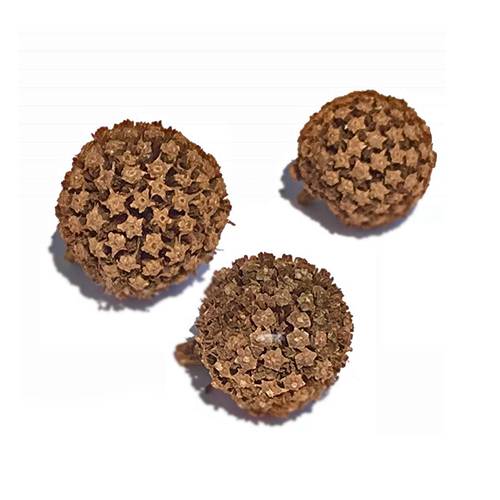
- Seeds are paper-thin with bilateral wings for wind dispersal
- Individual seeds weigh approximately 0.1-0.2 milligrams
- Fresh seeds have a pale brown to tan coloration
- Viability decreases rapidly after pod opening
- Optimal storage requires cool, dry conditions
Understanding Seed Viability
What Determines Seed Viability?
Seed viability refers to the capacity of a seed to germinate and produce a healthy seedling under favorable conditions. For Mitragyna species, viability is influenced by multiple factors including seed maturity at harvest, genetic factors, storage conditions, and seed age. Unlike many conventional crop species that can maintain viability for years or even decades, Mitragyna seeds are classified as "recalcitrant," meaning they lose viability rapidly and cannot tolerate desiccation or cold storage.
Fresh Mitragyna speciosa seeds typically exhibit germination rates of 10-20% under optimal conditions, which may seem low compared to many cultivated plants but is actually normal for this species. The relatively low germination rate is offset by the enormous number of seeds produced per tree. In nature, this strategy ensures successful reproduction despite the challenges of tropical forest regeneration.
Factors Affecting Seed Viability
- Seed Age: Viability decreases dramatically within days to weeks of harvest
- Moisture Content: Seeds require specific moisture levels - too dry or too wet both reduce viability
- Temperature: Extreme heat or cold can damage seed embryos
- Light Exposure: Prolonged exposure to direct sunlight degrades seed quality
- Handling: Rough handling can damage delicate seed structures
Viability Testing Methods
Determining seed viability before attempting propagation saves time and resources. Several methods can assess Mitragyna seed viability. The simplest is the float test, where seeds are placed in water - viable seeds typically sink while non-viable seeds float. However, this method is not always reliable for very fresh or very old seeds.
More accurate viability testing involves germination trials under controlled conditions. Small samples of seeds are placed on moist growing medium and maintained at optimal temperature (75-85°F) and humidity (80-90%). Germination is typically observed within 6-10 days for viable seeds, though some may take up to three weeks. The percentage of seeds that successfully germinate provides a good estimate of overall seed lot viability.


Optimal Germination Protocols
Pre-Germination Preparation
Successful germination of Mitragyna seeds begins with proper preparation. Fresh seeds harvested directly from pods require minimal preparation beyond gentle cleaning to remove any pod debris. Seeds should be handled carefully to avoid damaging the delicate wing structures, even though these wings are not essential for germination.
For seeds that have been stored for any length of time, a brief soaking in clean water (1-2 hours) can help rehydrate the seed coat and improve germination rates. However, excessive soaking should be avoided as it can lead to seed rot. Some cultivators report improved success with the addition of mild fungicides to the soaking water, which helps prevent fungal infections during the vulnerable germination period.
Growing Medium and Conditions
The choice of growing medium significantly impacts germination success. Mitragyna seeds require a fine-textured, well-draining medium that can maintain consistent moisture without becoming waterlogged. Many successful growers use a mixture of peat moss, perlite, and fine vermiculite in equal proportions. The medium should be sterilized to prevent pathogen contamination that can quickly destroy tiny seedlings.
Optimal Germination Conditions
- Temperature: Maintain consistent 75-85°F (24-29°C)
- Humidity: Keep at 80-90% relative humidity
- Light: Provide bright, indirect light or use grow lights
- Moisture: Keep medium consistently moist but not saturated
- Air Circulation: Gentle air movement prevents fungal growth
Sowing Technique
The delicate nature of Mitragyna seeds requires a specific sowing approach. Seeds should be scattered lightly on the surface of pre-moistened growing medium rather than being buried. The tiny seeds need light for germination, and covering them with soil can prevent successful sprouting. After sowing, seeds can be very lightly pressed into the surface to ensure good contact with the medium.
Creating a miniature greenhouse environment greatly improves germination success. This can be achieved by covering the seed container with clear plastic or glass, which maintains high humidity while allowing light penetration. The cover should be removed briefly each day to allow air exchange and prevent excessive condensation buildup that could promote fungal growth.
Post-Germination Care and Seedling Development

Early Seedling Stage
Once germination occurs, typically within 6-10 days for fresh seeds, tiny seedlings emerge with two small cotyledon leaves. These initial leaves are quite different from the mature leaf form and serve primarily to provide energy for the developing seedling. During this critical early stage, seedlings are extremely vulnerable to environmental stress, fungal infections, and physical disturbance.
Maintaining consistent environmental conditions is paramount during the first 2-3 weeks after germination. Temperature fluctuations, changes in moisture levels, or exposure to direct sunlight can easily stress or kill young seedlings. The humidity should be gradually reduced from the initial 80-90% to around 60-70% over the course of several weeks to help seedlings acclimate to less protected conditions.
Transplanting Considerations
Young Mitragyna seedlings develop rapidly under optimal conditions, producing their first true leaves within 2-3 weeks of germination. Once seedlings have developed 2-3 sets of true leaves and stand approximately 2-3 inches tall, they can be carefully transplanted into individual containers. This process requires extreme care to avoid damaging the delicate root system.
The transplanting medium should be similar in composition to the germination medium but can include slightly more nutrients to support continued growth. Small pots (2-3 inches diameter) filled with a well-draining potting mix enriched with organic matter provide an excellent environment for young plants. After transplanting, seedlings should be kept in a protected environment with high humidity for several days to help them recover from transplant shock.


Long-Term Cultivation and Tree Maturity
Growth Stages and Timeline
From seed to flowering maturity, Mitragyna trees progress through several distinct growth stages. The juvenile phase typically lasts 6-18 months, during which plants focus on vegetative growth, developing strong root systems and branching structures. During this period, plants require consistent warmth, high humidity, and protection from environmental extremes.
The transition to adult growth occurs gradually, with plants beginning to develop the characteristic large leaves and robust branching patterns of mature specimens. In cultivation, most Mitragyna speciosa trees reach sufficient maturity to produce flowers by 3-5 years of age, though this timeline varies considerably based on growing conditions and care quality. Trees grown in optimal greenhouse conditions may flower earlier than those in less ideal environments.
Maintaining Healthy Mature Trees
Mature Mitragyna trees can reach impressive heights of 30-80 feet in their native habitat, though cultivated specimens are often maintained at more manageable heights through pruning. These trees require substantial space, both above and below ground, to achieve their full potential. Root systems extend widely and deeply, seeking moisture and nutrients throughout the soil profile.
Mature Tree Care Requirements
- Light: Bright, indirect light or partial shade; 4-6 hours of morning sun ideal
- Temperature: Maintain between 60-90°F; avoid temperatures below 50°F
- Water: Consistent moisture without waterlogging; drought stress reduces leaf quality
- Humidity: 50-70% relative humidity supports optimal growth
- Nutrients: Regular feeding with balanced fertilizer during growing season
- Soil: Well-draining, rich in organic matter with slightly acidic pH (5.5-6.5)
Species Variations and Comparative Biology
Mitragyna Speciosa
The most widely cultivated species in the genus, Mitragyna speciosa demonstrates robust growth characteristics and relatively predictable flowering cycles. Native to Thailand, Malaysia, Indonesia, and neighboring regions, this species has adapted to diverse tropical conditions. Seeds remain viable for approximately 2-4 weeks under optimal storage, with germination rates of 10-20% for fresh seeds declining rapidly with age.
Mitragyna Hirsuta
This lesser-known species exhibits similar growth patterns to M. speciosa but typically produces smaller leaves and more compact growth. Flowering in M. hirsuta often occurs slightly earlier in the season and may be more prolific under certain conditions. Seed viability and germination characteristics are comparable to M. speciosa, though some growers report slightly better germination rates with extremely fresh seeds.
Mitragyna Parvifolia
Native to India and Sri Lanka, M. parvifolia adapts well to slightly different climatic conditions than its Southeast Asian relatives. This species can tolerate marginally cooler temperatures and may show greater drought tolerance. The flowering cycle tends to align with monsoon patterns in its native range. Seed production and viability characteristics are similar to other Mitragyna species, though pods may contain slightly fewer seeds per capsule.
Mitragyna Javanica
Found throughout Southeast Asia, M. javanica shares many characteristics with M. speciosa but displays distinct morphological differences in leaf shape and flower structure. Flowering typically occurs during similar seasonal periods, and seed biology closely parallels that of other species in the genus. Germination rates and viability windows are comparable across the genus.


Conservation and Sustainable Cultivation
Importance of Seed Banking
Given the extremely limited viability window of Mitragyna seeds, traditional seed banking approaches face significant challenges. The recalcitrant nature of these seeds means they cannot be frozen or dried for long-term storage like orthodox seeds. This presents unique challenges for conservation efforts aimed at preserving genetic diversity across wild and cultivated populations.
Alternative conservation strategies focus on maintaining living collections of diverse genetic lines. By cultivating multiple specimens from different geographic origins and maintaining detailed breeding records, it's possible to preserve genetic diversity while ensuring continued access to fresh, viable seeds. This approach requires significant resources and dedication but represents the most effective means of conserving these important species.
Sustainable Harvesting Practices
As interest in Mitragyna species grows, implementing sustainable harvesting and cultivation practices becomes increasingly important. For seed collection, this means ensuring that not all pods are harvested from wild or semi-wild trees, allowing natural regeneration to continue. In cultivation settings, maintaining mother plants specifically for seed production helps ensure a consistent supply while reducing pressure on wild populations.
At Mitra Science, we are committed to sustainable practices throughout our operations. Our seed collection programs prioritize quality and sustainability, ensuring that our customers receive fresh, viable seeds while supporting conservation efforts. We also offer live plants as an alternative to seed propagation, providing a reliable option for those who prefer established specimens.
Commercial Availability and Product Options
Fresh Seed Offerings
For those interested in propagating their own Mitragyna specimens, we offer fresh Mitragyna speciosa seeds harvested from our carefully maintained trees. Each seed pod contains hundreds of individual seeds, providing ample opportunity for successful germination even with the naturally low germination rates characteristic of this species.
| Quantity | Price per Unit | Total Seeds (Approximate) |
|---|---|---|
| 1 Seed Pod | $40.00 | 200-500 seeds |
| 5 Seed Pods | $35.00 | 1,000-2,500 seeds |
| 10 Seed Pods | $25.00 | 2,000-5,000 seeds |
| 20+ Seed Pods | $20.00 | 4,000+ seeds |
All seeds are harvested fresh and shipped immediately to ensure maximum viability. We recommend planting seeds as soon as possible after receipt for best results. Detailed germination instructions are included with every seed order.
Live Plant Options
For those who prefer to bypass the challenges of seed germination, we offer live Mitragyna speciosa plants in various sizes. These plants are carefully cultivated in optimal conditions and shipped at the ideal size for successful transplanting and continued growth.
| Quantity | Price per Plant | Plant Size |
|---|---|---|
| 1 Live Plant | $120.00 | 4-6 inches |
| 5 Live Plants | $108.00 | 4-6 inches |
| 10 Live Plants | $98.00 | 4-6 inches |
| 20 Live Plants | $84.00 | 4-6 inches |
Each live plant arrives ready to transplant, complete with detailed care instructions. Our plants are acclimated to standard indoor growing conditions and transition well to their new environment with proper care.
Processed Leaf Products
For those interested in the mature plant material, we offer an extensive selection of powdered leaves, crushed leaves, and extracts from various Mitragyna species. These products showcase the end result of successful cultivation, from flowering and seed production through growth and leaf harvest.

Research and Future Directions
Advancing Propagation Techniques
Ongoing research into Mitragyna propagation continues to reveal new insights into improving germination rates and seedling survival. Recent studies have explored various seed pre-treatments, including brief exposures to gibberellic acid and other plant hormones that may enhance germination. While results have been mixed, these investigations point toward potential future improvements in propagation efficiency.
Tissue culture and clonal propagation represent promising alternative approaches to traditional seed propagation. These techniques could potentially overcome the challenges of short seed viability windows while preserving desirable genetic characteristics. However, establishing reliable protocols for Mitragyna tissue culture remains an active area of research with significant technical challenges yet to be overcome.
Climate Adaptation Studies
As climate patterns shift globally, understanding how Mitragyna species respond to changing environmental conditions becomes increasingly important. Research into the flexibility of flowering cycles under various temperature and moisture regimes helps inform both conservation strategies and cultivation practices. Some preliminary findings suggest that certain populations may exhibit greater adaptability than others, highlighting the importance of preserving genetic diversity.
Sustainable Agriculture Integration
Integrating Mitragyna cultivation into sustainable agricultural systems represents an important frontier for both conservation and commercial production. Agroforestry approaches that incorporate these trees alongside other crops can provide economic benefits while supporting biodiversity and ecosystem health. Understanding flowering cycles and seed production in mixed cultivation settings helps optimize these integrated systems.
Explore Our Complete Collection
Whether you're interested in starting from seeds, establishing live plants, or exploring our processed products, Mitra Science offers the highest quality botanical specimens backed by expert knowledge and exceptional customer service.
View Seeds Collection View Live Plants Read Our BlogConclusion
Understanding flowering cycles and seed viability in rare Mitragyna species represents a crucial component of both conservation biology and sustainable cultivation. The unique characteristics of these plants - from their seasonal flowering patterns to the extremely limited viability window of their seeds - present both challenges and opportunities for growers, researchers, and conservationists alike.
Success with these remarkable botanical specimens requires attention to detail, patience, and a commitment to providing optimal growing conditions at every stage of development. From the careful timing of seed collection through the delicate process of germination and the long journey to flowering maturity, each phase demands specific knowledge and appropriate environmental management.
At Mitra Science, we remain dedicated to advancing knowledge of these fascinating plants while providing access to premium quality specimens and products. Our commitment to ethical sourcing, rigorous quality control, and sustainable practices ensures that customers receive the finest botanical materials while supporting long-term conservation goals.
For more information about our products, cultivation techniques, or the biology of Mitragyna species, we invite you to explore our comprehensive blog or contact our knowledgeable team. Together, we can ensure these remarkable species continue to thrive for generations to come.