


Kratom comes from a tropical tree in Southeast Asia. It contains different types of alkaloids that exhibit distinct chemical properties. Let's learn about water-soluble and fat-soluble alkaloids in kratom. We'll look at their chemical characteristics, extraction methods, and why they matter for kratom products and research.
Key Points: Kratom Alkaloid Solubility
- Water-soluble alkaloids dissolve easily in water and polar solvents
- Fat-soluble alkaloids dissolve better in fats and oils
- Extraction methods vary based on alkaloid solubility
- Proper storage is crucial for maintaining alkaloid integrity
- Ongoing research continues to expand our understanding of kratom alkaloids
What Are Kratom Alkaloids?
Kratom alkaloids are natural compounds found in kratom leaves. They're nitrogen-containing organic molecules with distinct chemical structures. There are two main types: water-soluble and fat-soluble. These alkaloids exhibit different solubility properties based on their molecular structure. The concentration and composition of alkaloids can vary depending on the kratom strain, growing conditions, and harvesting time.
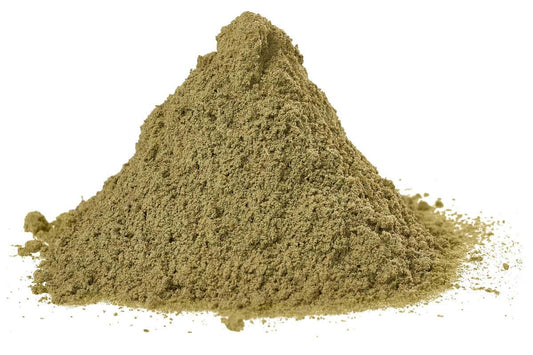

The kratom leaf collection shows different kratom strains. Each strain has its own alkaloid profile and chemical composition. The color of the leaf veins can indicate different alkaloid concentrations. To accurately determine alkaloid content, scientists use specialized analytical instruments for detailed chemical analysis.
Water-Soluble Kratom Alkaloids
Water-soluble alkaloids are polar compounds that dissolve readily in aqueous solutions. These molecules have hydrophilic properties. Some examples include:
- Mitragynine: The primary alkaloid in kratom, representing 60-70% of total alkaloid content
- Speciogynine: A structural analog of mitragynine with similar solubility properties
- Paynantheine: Another indole alkaloid contributing to the overall alkaloid profile
These alkaloids are easily extracted through aqueous extraction methods. They dissolve efficiently in water-based solutions, making them suitable for water extraction techniques. Scientists study these alkaloids to understand their chemical structures and how they interact with various solvents.

Green Malay Kratom contains a balanced ratio of both water-soluble and fat-soluble alkaloids. This diverse alkaloid profile makes it a popular choice for research applications.
Fat-Soluble Kratom Alkaloids
Fat-soluble alkaloids are lipophilic compounds that dissolve better in non-polar solvents. These molecules have hydrophobic characteristics. Some examples include:
- 7-hydroxymitragynine: A potent alkaloid formed through oxidation of mitragynine
- Mitraphylline: An oxindole alkaloid with distinct structural properties
- Rhynchophylline: A tetracyclic alkaloid with unique molecular characteristics
These alkaloids have greater affinity for lipid-based solvents. They require specialized extraction methods using oils or organic solvents. Understanding these alkaloids helps in developing more efficient extraction techniques and analytical methods.
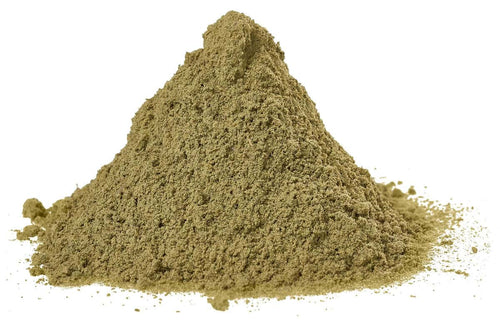
Red Bali Kratom typically contains higher concentrations of fat-soluble alkaloids. This alkaloid composition makes it valuable for studying lipophilic compounds.
Extraction Methods for Different Alkaloid Types
The extraction method depends on the solubility characteristics of the target alkaloids. Here are various extraction techniques:
- Water extraction: Effective for water-soluble alkaloids, uses aqueous solvents
- Alcohol extraction: Can extract both types of alkaloids due to ethanol's amphiphilic properties
- CO2 extraction: Supercritical fluid extraction, particularly effective for fat-soluble alkaloids
- Lipid-based extraction: Specifically designed for fat-soluble alkaloids using oils or fats
Selecting the appropriate extraction method is crucial for obtaining desired alkaloid fractions. This affects the final alkaloid profile and concentration in the extract.


The kratom extract collection demonstrates various extraction methods. These represent different approaches to isolating alkaloids from plant material.
Factors Affecting Alkaloid Solubility in Kratom
Several parameters influence alkaloid solubility characteristics:
- pH levels: Acidity or alkalinity of the extraction medium
- Temperature: Thermal energy affects molecular motion and dissolution
- Co-extractives: Other plant compounds that may influence solubility
- Particle size: Surface area affects extraction efficiency
- Extraction duration: Time allowed for solvent-solute interaction
Understanding these factors enables optimization of extraction processes. Scientists and manufacturers must control these parameters to achieve consistent, high-quality extracts.
Implications for Kratom Product Formulation
Knowledge of alkaloid solubility influences product development strategies. This affects:
- Delivery system design (capsules, liquids, or edibles)
- Formulation additives to enhance solubility
- Creating products with targeted alkaloid profiles
- Standardization of alkaloid content
This understanding enables development of products with specific alkaloid compositions and improved consistency in manufacturing.

Kratom extract gummies are formulated to incorporate both water-soluble and fat-soluble alkaloids. They represent an innovative approach to kratom product development with standardized alkaloid content.
Storage and Preservation of Kratom Alkaloids
Maintaining alkaloid stability requires proper storage conditions. Key considerations include:
- Temperature: Extreme temperatures can degrade alkaloid structures
- Light exposure: UV radiation can cause photodegradation
- Moisture content: High humidity can promote degradation
- Oxygen exposure: Oxidation can alter alkaloid composition
- Container material: Some materials may interact with alkaloids
Proper storage maintains alkaloid integrity and extends shelf life. This is crucial for both research applications and commercial product development.

Learn more about proper kratom handling in our guide on how to rehydrate dried kratom leaves. This information helps maintain alkaloid stability during processing.
Quality Control and Testing for Alkaloid Content
Ensuring product quality requires comprehensive analytical testing. Methods include:
- HPLC: High-performance liquid chromatography for precise alkaloid quantification
- Mass spectrometry: Molecular identification and structural analysis
- Third-party testing: Independent laboratory verification
- TLC: Thin-layer chromatography for alkaloid screening
- NMR spectroscopy: Detailed structural characterization
These analytical methods ensure product consistency and verify alkaloid content. They're essential for establishing quality standards and research reproducibility.
Our bulk kratom wholesale products undergo rigorous testing to ensure consistent alkaloid profiles and quality standards.
Future Research and Developments
Kratom alkaloid research continues to advance. Future developments may include:
- Novel extraction technologies for improved alkaloid recovery
- Advanced analytical methods for alkaloid characterization
- Optimized formulation strategies for specific alkaloid profiles
- Genetic studies of kratom cultivars and alkaloid expression
- Standardization protocols for alkaloid content verification
This ongoing research will enhance our understanding of kratom alkaloids and lead to improved analytical methods and product development techniques.

Read about advancing kratom research in our article on cross-cultivation between Mitragyna species. This research could lead to new kratom varieties with unique alkaloid compositions.
Conclusion
Understanding water-soluble and fat-soluble kratom alkaloids is essential for advancing kratom science and product development. This knowledge enables improved extraction methods, better analytical techniques, and more consistent product formulations. As research progresses, we'll see continued innovations in kratom processing and alkaloid characterization. Ongoing studies of these alkaloids will contribute to our understanding of kratom chemistry and lead to more sophisticated analytical methods and standardized products.

Explore our complete kratom collection to find products that demonstrate our application of current knowledge about water-soluble and fat-soluble alkaloids. Our range of products represents how we utilize the latest understanding of alkaloid chemistry in product development. Whether you're interested in traditional kratom powders or modern extracts, we offer options that showcase different alkaloid profiles and extraction methods. Choosing products from a research-focused supplier helps support ongoing kratom science while ensuring access to well-characterized materials.