



The kratom market presents a puzzling landscape for newcomers: why does a kilogram of powder range from $30 to $85 or more? What justifies the price difference between bulk wholesale kratom at $45 per kilogram and premium retail products commanding significantly higher prices? Understanding the economics underlying kratom pricing reveals complex supply chains, quality variables, and market dynamics that explain these cost variations.
The Foundation: Cultivation and Harvest Economics
Kratom pricing begins in the rainforests and plantations of Southeast Asia, where Mitragyna speciosa trees grow in Indonesia, Thailand, Malaysia, Myanmar, and Papua New Guinea. The economics of cultivation significantly impact final product costs.

Wild-harvested kratom from mature forest trees generally commands higher prices than plantation-grown material. Wild trees often develop more complex alkaloid profiles due to natural growing conditions, but they're also less accessible and more labor-intensive to harvest. Suppliers working with indigenous communities to harvest wild kratom must factor in fair compensation for difficult and skilled work.
Tree Maturity and Leaf Selection
The age of kratom trees significantly affects both alkaloid content and cost. Mature trees produce leaves with higher concentrations of desirable alkaloids, particularly mitragynine. Premium suppliers that source exclusively from trees "at the ripe age with the highest alkaloid content" must pay more for selective harvesting.
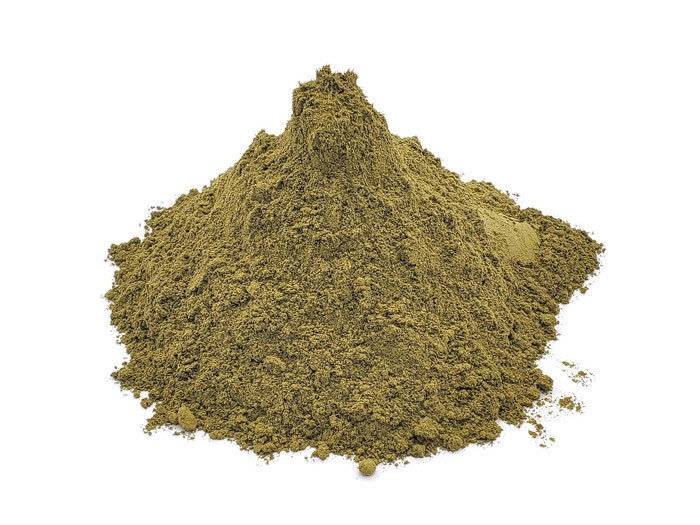
Leaf selection practices further influence costs. Harvesting only the large, mature leaves from optimal positions on the tree requires more time and expertise than indiscriminate collection. This selective approach, employed for premium products like Red Maeng Da kratom, increases labor costs but ensures superior quality.
Processing and Quality Control Costs
After harvest, processing transforms fresh leaves into the powders and extracts consumers purchase. Processing methods dramatically impact both quality and cost structures.
Drying Methods and Infrastructure
Traditional sun-drying represents the most economical approach but offers limited control over outcomes. Indoor drying facilities with temperature and humidity control require significant capital investment but produce more consistent results. Advanced drying techniques that precisely control conditions command premium prices.
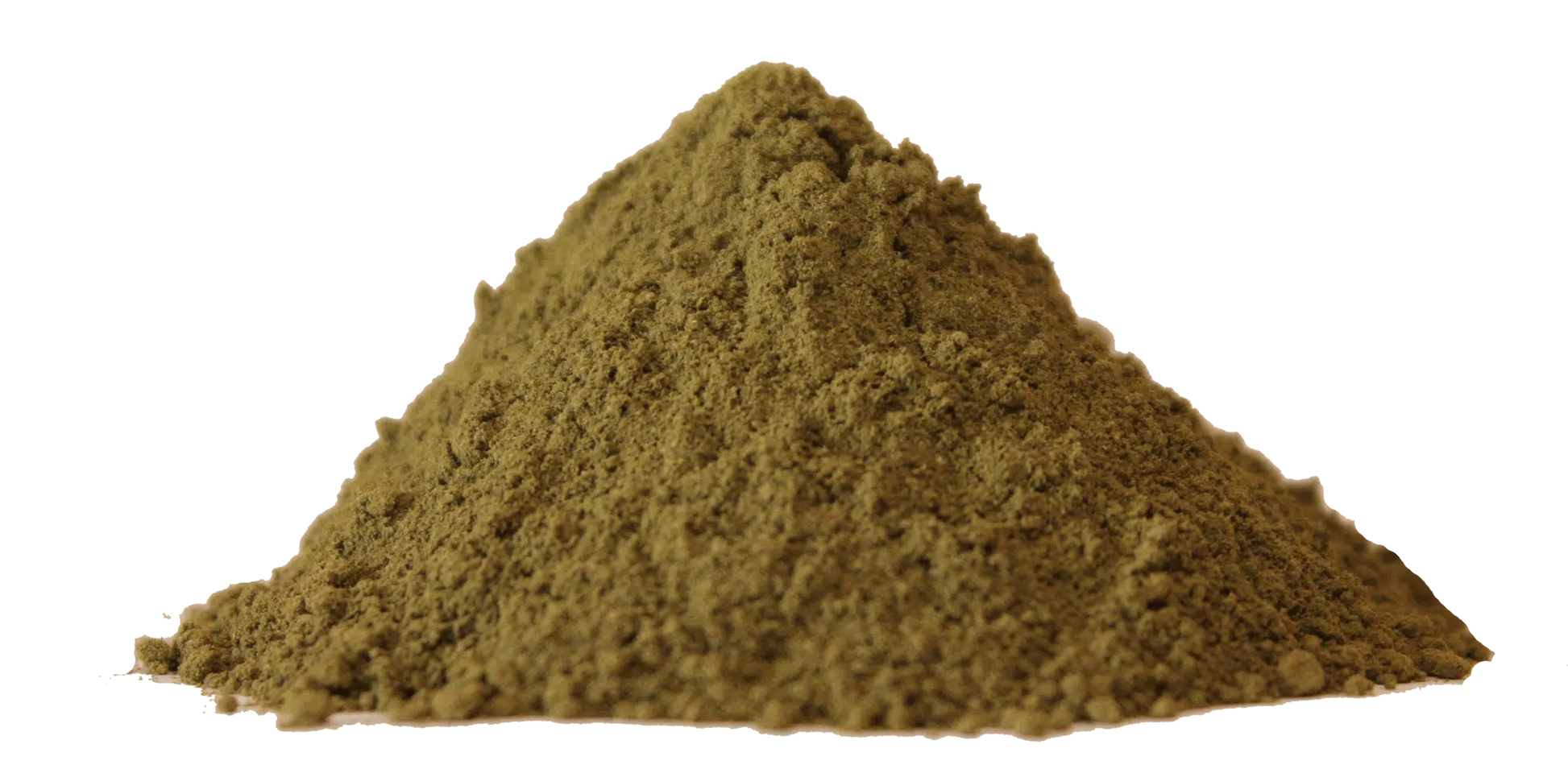
The grinding stage also introduces cost variation. Basic crushing produces coarse material, while achieving the flour-like consistency of premium Green Maeng Da powder requires specialized equipment and additional processing steps. Ultra-fine grinding increases surface area and bioavailability but adds to production costs.
Sanitation and Facility Standards
Processing facilities meeting Good Manufacturing Practice (GMP) standards invest heavily in sanitation infrastructure, environmental controls, and quality management systems. These investments protect product purity and safety but significantly increase operational costs compared to basic processing operations.
Facilities with climate control, HEPA filtration, sanitary design, and documented cleaning protocols can't compete on price with rudimentary operations, but they deliver vastly superior quality assurance.
Testing Protocols and Laboratory Costs
Comprehensive laboratory testing represents a substantial cost component for quality-focused kratom suppliers. The testing required to ensure safety and verify potency involves sophisticated analytical equipment and skilled laboratory personnel.

Mitra Science's partnership with ACS Laboratories, described as developing "the most comprehensive Kratom testing method ever," exemplifies the high end of testing investment. Their protocol examines multiple parameters through advanced techniques.
Alkaloid Analysis Costs
High-Performance Liquid Chromatography (HPLC) testing for alkaloid quantification requires expensive equipment, trained technicians, and reference standards. Each batch tested adds costs that must be distributed across the product volume. Suppliers testing every batch incur higher costs than those testing occasionally or not at all.
For wholesale customers purchasing products like Green Bali kratom in 25kg quantities, the per-kilogram testing cost decreases due to economies of scale, partly explaining bulk discount pricing structures.
Safety Testing Investment
Beyond alkaloid analysis, comprehensive safety testing examines heavy metals, pesticide residues, and microbial contaminants. Each testing category involves different analytical methods and associated costs:
- Heavy Metals Testing: Inductively Coupled Plasma Mass Spectrometry (ICP-MS) detects lead, mercury, cadmium, and arsenic contamination
- Pesticide Screening: Gas Chromatography-Mass Spectrometry (GCMS) identifies pesticide residues from hundreds of possible compounds
- Microbial Testing: Culture methods detect E. coli, Salmonella, yeast, mold, and total aerobic bacteria
Products advertised as "Lab Tested" should include all these parameters, representing significant testing investment that factors into pricing.
Volume Economics and Wholesale Pricing Tiers
Kratom suppliers typically structure pricing in tiers based on purchase volume, reflecting economies of scale in production, testing, packaging, and logistics. Understanding these tiers helps explain price variations across the market.
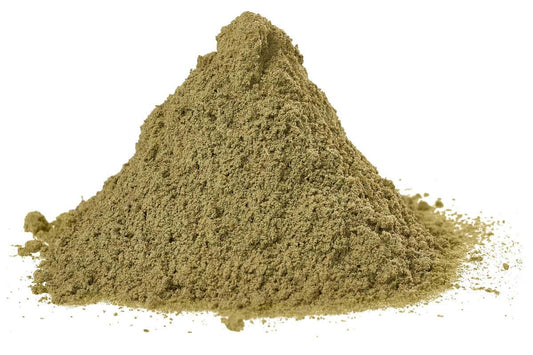
A typical wholesale pricing structure for premium kratom powder might look like this:
- 1 Kilogram: $85 per kg
- 25 Kilograms: $45 per kg (47% discount)
- 100 Kilograms: $40 per kg (53% discount)
- 300 Kilograms: $35 per kg (59% discount)
- 500 Kilograms: $30 per kg (65% discount)
These dramatic price reductions reflect real cost savings in packaging, testing amortization, and shipping efficiency. A single 500kg shipment requires far less packaging materials per kilogram than 500 individual 1kg packages. Testing costs distributed across 500kg create much lower per-kilogram expenses than testing costs for a single kilogram.
Minimum Order Quantities
Many suppliers implement minimum order quantities for specific products. For instance, some premium strains require "minimum purchase of 10 KGS" or bulk tiers starting at 25kg. These minimums reflect the economics of processing, testing, and handling smaller batches.
Import/Export and Logistics Economics
International shipping from Southeast Asian origins to global markets introduces substantial costs that vary based on shipping method, volume, and destination regulations.

Container shipping for large volumes offers the best per-kilogram rates but requires significant upfront investment. Air freight provides faster delivery but costs substantially more per kilogram. These logistics considerations impact pricing structures, especially for smaller orders.
Regulatory Compliance Costs
Navigating international regulations, import documentation, customs procedures, and compliance with destination country requirements adds administrative costs and potential delays. Suppliers maintaining full regulatory compliance in multiple jurisdictions invest in legal expertise, proper documentation, and adherence to evolving standards.
Companies ensuring "full compliance with KCPA and Florida state laws regarding Kratom" incur costs that suppliers operating in regulatory gray areas avoid, contributing to price differences between compliant and non-compliant products.
Quality Tier Determinants
Not all kratom commands the same price, even at similar volumes. Quality tiers based on multiple factors create distinct price points that reflect real differences in product characteristics.
Alkaloid Content and Potency
Higher alkaloid concentrations—particularly mitragynine content—generally correlate with premium pricing. Kratom tested at 1.5-2% mitragynine or higher represents superior quality compared to material testing below 1%. Suppliers guaranteeing minimum alkaloid levels must source selectively and test rigorously, increasing costs.

Specialty strains like Maeng Da—whether Yellow, Red, Green, or White varieties—typically contain elevated alkaloid levels compared to standard strains, justifying their position at higher price points.
Purity and Contamination Standards
Premium-tier kratom maintains strict purity standards regarding heavy metals, pesticides, and microbial contaminants. Products meeting stringent safety thresholds require careful sourcing from uncontaminated regions, potentially organic cultivation practices, and comprehensive testing—all adding to costs.
Products advertised as "100% Vegan," "Non-GMO," "Ethically Sourced," and "No Artificials" reflect commitments to purity that influence pricing through both direct costs and market positioning.
Strain Rarity and Specialty Products
Certain kratom strains and specialty products command premium prices due to limited availability, specialized processing, or unique characteristics.

Rare vein colors, specific geographic origins, or limited-production batches often carry higher prices reflecting their scarcity. White Bali kratom from specific Indonesian regions might cost more than more common varieties due to limited supply or unique characteristics.
Extract Products and Concentration Economics
Kratom extracts represent concentrated products requiring significant quantities of raw material. A 25:1 extract means 25 kilograms of leaf material produced one kilogram of extract. This concentration ratio alone explains extract pricing far exceeding raw powder costs.

Advanced extraction processes using sophisticated equipment and technical expertise add further costs. Products like High-Grade Kratom Extract with 50% Mitragynine priced from $3,700 per kilogram reflect the extensive processing required to achieve such high alkaloid concentrations.
Value-Added Products and Finished Goods
Finished consumer products like capsules, shots, or gummies incorporate additional processing, packaging, and formulation costs beyond raw powder pricing.

Products like Kratom Extract Gummies with 60% Mitragynine require extract production, gummy formulation, flavoring, packaging in consumer-ready containers, and meeting food manufacturing standards. These value-added steps justify pricing structures far exceeding raw powder costs when calculated per dose.
Ready-to-Consume Formats
Kratom shots and liquid extracts command premium prices due to processing complexity, packaging requirements, and convenience factors. Manufacturing Premium Kratom Shots with 40mg MIT involves extract production, liquid formulation, bottling, and quality control specific to liquid products.
Market Dynamics and Competition
Supply and demand economics influence kratom pricing alongside production costs. Market factors like consumer preferences, seasonal availability, regulatory changes, and competitive pressures create price fluctuations and positioning strategies.
Suppliers positioned as premium brands invest in reputation building, customer service, educational content, and quality assurance that support higher price points. Budget suppliers focusing solely on price compete in a different market segment with thinner margins and higher volume requirements.
The True Cost of Quality
When evaluating kratom pricing, consumers and businesses must consider the total cost of quality—or the cost of lacking quality. Premium pricing from reputable suppliers includes investments in:
- Ethical sourcing supporting sustainable practices and fair labor
- Comprehensive testing ensuring safety and potency
- Quality control systems maintaining consistency
- Regulatory compliance protecting consumers and businesses
- Transparent documentation enabling informed decisions
- Customer support and education

The cheapest kratom may ultimately prove most expensive if it lacks potency, contains contaminants, fails regulatory scrutiny, or damages brand reputation. Quality-conscious consumers and businesses increasingly recognize that premium pricing often represents better value when total cost and risk are considered.
For those seeking wholesale kratom with transparent pricing and comprehensive quality documentation, suppliers like Mitra Science provide detailed information about their products, testing protocols, and pricing structures across volume tiers. Their commitment to "full compliance with KCPA and Florida state laws" and partnership with certified laboratories exemplifies the quality investments that justify premium positioning in the kratom market.