


Formulating Flavored Kratom Liquids: Key Challenges
A Comprehensive Guide to Manufacturing Premium Liquid Kratom Products

Introduction to Liquid Kratom Formulation
The kratom industry has witnessed a remarkable transformation over the past decade, with liquid formulations emerging as one of the most popular delivery methods for Mitragyna speciosa alkaloids. Formulating flavored kratom liquids presents a unique set of technical, sensory, and regulatory challenges that manufacturers must navigate to produce high-quality, commercially viable products.

Nano Liquid Kratom Extract - 45mg Mitragynine per ml
At Mitra Science, we understand the complexities involved in creating premium liquid kratom products. From extraction efficiency to flavor masking, stability considerations to regulatory compliance, each aspect requires careful attention and scientific expertise.

100% Vegan

Non GMO

Ethically Sourced
Lab Tested

No Artificials
Challenge #1: Alkaloid Extraction and Concentration

High-Grade Kratom Extract 50% Mitragynine 99% Total Alkaloids
Extraction Method Selection
The foundation of any liquid kratom product lies in the extraction process. Manufacturers must choose between several extraction methodologies, each with distinct advantages and challenges:
- Ethanol Extraction: Provides excellent alkaloid solubility and yields, with mitragynine recovery rates typically exceeding 85%. However, complete ethanol removal is critical for safety and palatability.
- Water Extraction: More consumer-friendly from a regulatory perspective, but typically yields lower alkaloid concentrations (60-70% recovery) and requires more extensive concentration steps.
- Hybrid Methods: Combining aqueous and organic solvents can optimize alkaloid profiles while maintaining cleaner final products.
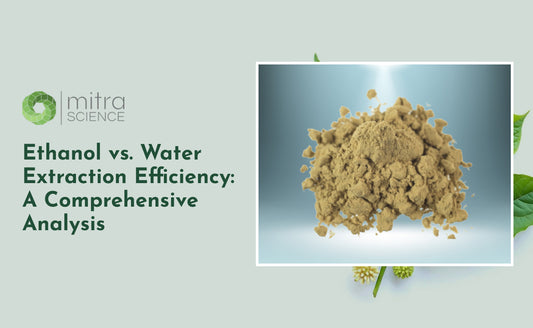
For detailed information on extraction efficiency, see our comprehensive guide on Ethanol vs. Water Extraction Efficiency.
Key Consideration: Alkaloid Stability
Mitragynine and 7-hydroxymitragynine are sensitive to oxidation, heat, and pH variations. During extraction and concentration, maintaining temperatures below 60°C and pH between 4.5-6.0 is crucial for preserving alkaloid integrity. Light exposure should also be minimized throughout the process.
Concentration Techniques
Achieving commercially viable alkaloid concentrations presents significant challenges. Standard liquid formulations target 40-50mg of mitragynine per milliliter, requiring substantial concentration of raw extracts:
- Rotary Evaporation: Allows for gentle solvent removal under reduced pressure, preserving heat-sensitive alkaloids.
- Spray Drying: Converts liquid extracts to concentrated powders that can be reconstituted, though this adds processing steps.
- Membrane Filtration: Emerging technology for alkaloid concentration without heat exposure, though capital costs are substantial.
Challenge #2: Flavor Masking and Palatability

Premium Kratom Shots 2oz - 40mg MIT Ready-to-Drink Extract
The Bitter Challenge
Kratom's intensely bitter taste profile, primarily attributed to its alkaloid content, represents one of the most significant obstacles in liquid formulation. The bitterness threshold for mitragynine is remarkably low, with human detection occurring at concentrations as low as 0.1mg/ml.
Traditional flavor masking approaches often fall short with kratom due to:
- The persistent and long-lasting nature of kratom bitterness
- Multiple bitter compounds beyond just mitragynine
- Interactions between flavoring agents and alkaloid compounds
- Consumer expectations for "natural" ingredient lists
Advanced Flavoring Strategies
Multi-Layered Approach
Successful flavor masking requires a sophisticated, multi-component strategy rather than simple sweetener addition. This includes bitter blockers, sweetener systems, flavor enhancers, and texture modifiers working in concert.
Bitter Blocking Technology: Modern formulations incorporate specialized compounds that temporarily bind to bitter taste receptors, reducing perceived bitterness without altering the product's alkaloid content. Natural options include:
- Sodium gluconate (effective at 0.05-0.1% concentrations)
- Adenosine monophosphate (particularly effective for plant alkaloid bitterness)
- Certain amino acids like glycine and taurine
Sweetener Systems: Balancing sweetness without creating cloying products requires careful selection. High-intensity sweeteners like stevia, monk fruit, or sucralose can provide sweetness at low concentrations, though each has distinct flavor notes that must be considered.
Flavor Profiles: Certain flavor profiles have proven more effective at masking kratom's bitterness:
- Citrus-based: Orange, grapefruit, and lime flavors complement kratom's botanical notes
- Berry blends: Mixed berry or tropical fruit combinations provide complexity
- Mint/menthol: Creates cooling sensations that distract from bitterness
- Chocolate/mocha: For products targeting coffee substitute consumers
Challenge #3: Product Stability and Shelf Life
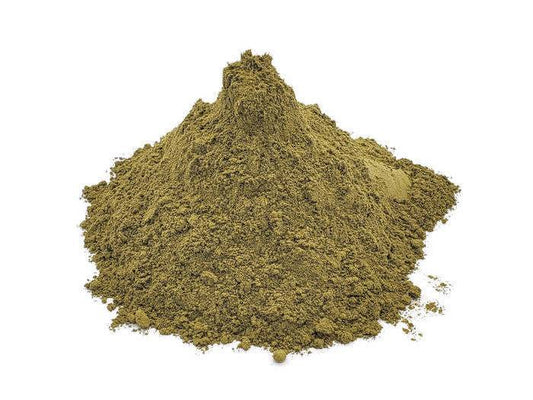
Red Maeng Da Kratom Powder - Premium Alkaloid-Rich Starting Material
Alkaloid Degradation Pathways
Maintaining alkaloid potency throughout a product's shelf life presents substantial challenges. Mitragynine degradation can occur through multiple pathways:
- Oxidation: The primary degradation mechanism, accelerated by oxygen exposure, light, and trace metals
- Hydrolysis: Particularly relevant in aqueous formulations, pH-dependent
- Photodegradation: UV and visible light can break down alkaloid structures
- Thermal degradation: Accelerated at temperatures above 25°C
Preservation Strategies

Premium Green Bali Kratom Powder
Bulk wholesale starting material for liquid formulations
From $1,375.00 USD (25kg+)
View Product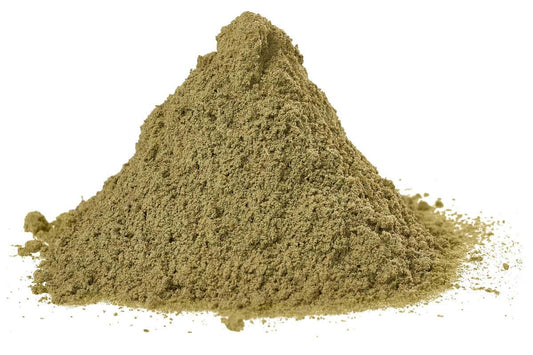
Green Malay Kratom Powder
Premium quality wholesale kratom for liquid extraction
From $1,375.00 USD (25kg+)
View Product
Premium White Maeng Da Powder
High alkaloid content ideal for concentrate production
From $85.00 USD (1kg+)
View ProductAntioxidant Systems: Incorporating food-grade antioxidants can significantly extend shelf life:
- Ascorbic acid (Vitamin C): 0.05-0.1% effective for aqueous systems
- Tocopherols (Vitamin E): Particularly effective in oil-based carriers
- Citric acid: Chelates trace metals that catalyze oxidation
- Natural extracts (rosemary, green tea): Provide antioxidant activity with clean label appeal
pH Optimization: Alkaloid stability is maximized within specific pH ranges. Most liquid kratom formulations target pH 4.5-5.5, which balances alkaloid stability with palatability and microbiological control.
Packaging Considerations: Container selection dramatically impacts shelf life:
- Amber or opaque bottles reduce photodegradation by 60-80%
- Oxygen-barrier materials (PET with oxygen scavengers, glass) minimize oxidation
- Nitrogen flushing during filling removes headspace oxygen
- Single-serve packaging eliminates repeated air exposure
Microbiological Stability
Liquid formulations present inherent challenges for microbiological control. While high-proof ethanol-based products are self-preserving, aqueous or low-alcohol formulations require careful preservation strategies:
- pH control: Maintaining pH below 4.6 inhibits many pathogens
- Water activity reduction: High solute concentrations (glycerin, sugars) reduce available water
- Preservative systems: When necessary, natural preservatives like potassium sorbate or sodium benzoate
- Sterile manufacturing: Aseptic processing and filling techniques
Challenge #4: Consistency and Standardization
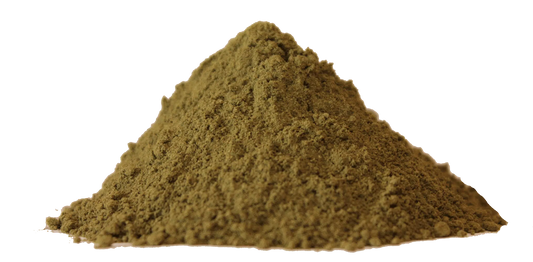
Green Maeng Da Kratom Powder - Consistent Quality for Reliable Formulation
Raw Material Variability
Kratom leaf alkaloid content varies significantly based on multiple factors:
- Geographic origin and soil conditions
- Tree age and specific cultivar
- Harvest timing and leaf maturity
- Post-harvest processing and drying methods
- Storage conditions and duration
Mitragynine content in raw leaf material typically ranges from 0.5% to 1.5%, with 7-hydroxymitragynine varying from 0.01% to 0.05%. This natural variability necessitates rigorous testing and standardization protocols.
Analytical Testing Requirements
Quality Assurance at Mitra Science
Every batch undergoes comprehensive laboratory testing to ensure alkaloid content, purity, and safety. Our lab testing protocols include HPLC analysis for alkaloid quantification, heavy metal screening, microbial testing, and pesticide residue analysis.
Manufacturers must implement multiple testing checkpoints:
- Raw material testing: HPLC analysis of incoming kratom powder or leaf
- Post-extraction analysis: Quantification of alkaloid content in crude extracts
- In-process testing: Monitoring concentration steps to achieve target specifications
- Finished product verification: Final alkaloid content, pH, and organoleptic properties
- Stability testing: Ongoing monitoring of stored samples to establish shelf life
Standardization Approaches
Achieving batch-to-batch consistency requires sophisticated blending and fortification strategies:
- Extract blending: Combining batches of varying potencies to achieve target specifications
- Standardized extract addition: Fortifying with high-potency extracts to reach target mitragynine levels
- Quality by Design (QbD): Implementing statistical process control to minimize variation
Challenge #5: Texture and Mouthfeel Optimization

Kratom Extract Gummies - Alternative Delivery Format with Enhanced Palatability
Viscosity and Texture Considerations
The physical properties of liquid kratom products significantly impact consumer acceptance. Formulation challenges include:
- Viscosity: Too thin feels watery and cheap; too thick can be unpleasant to consume
- Mouthfeel: Astringency from kratom tannins creates unpleasant drying sensation
- Suspension stability: Preventing sedimentation while maintaining pourability
- Temperature stability: Maintaining consistency across storage temperatures
Texturizing Strategies
Formulators employ various approaches to optimize texture:
- Hydrocolloids: Xanthan gum, guar gum, or pectin provide body and suspend particles
- Polyols: Glycerin or propylene glycol add thickness and sweetness while improving stability
- Natural thickeners: Fruit purees or vegetable gums for clean-label formulations
- Emulsifiers: When incorporating oil-soluble components, lecithin or polysorbates ensure homogeneity

Premium Kratom Extract Gummies
Bulk wholesale - 65% Mitragynine content with superior flavor
From $800.00 USD (1,250+ gummies)
View Product
Yellow Maeng Da Kratom Powder
Wholesale starting material for innovative formulations
From $85.00 USD (1kg+)
View ProductChallenge #6: Solubility and Bioavailability

Mitraphylline 99% Pure - Isolated Alkaloid Research Material
Alkaloid Solubility Challenges
Kratom's primary alkaloids present solubility challenges that impact both manufacturing and product performance:
- Mitragynine is sparingly soluble in water (approximately 20mg/ml at room temperature)
- Solubility improves in acidic conditions but decreases at neutral to alkaline pH
- Temperature significantly affects solubility, with cold products showing precipitation risk
- Alkaloid complexation with other formula components can reduce effective solubility
Solubility Enhancement Techniques
Nano-Emulsion Technology
Advanced formulations utilize nano-emulsion technology to create ultra-fine droplets of alkaloid-rich extract dispersed in aqueous systems. This approach can increase effective solubility by 5-10 fold while potentially improving absorption characteristics. Mitra Science's Nano Liquid Kratom Extract employs this cutting-edge technology.
Additional strategies include:
- Co-solvents: Propylene glycol or ethanol increase alkaloid solubility
- Complexation agents: Cyclodextrins form inclusion complexes with alkaloids
- Micellar solubilization: Surfactants create micelles that encapsulate alkaloids
- pH adjustment: Acidifying to pH 4-5 improves mitragynine solubility
Challenge #7: Regulatory Compliance and Labeling
Scientific approach to kratom processing and documentation
Navigating the Regulatory Landscape
The regulatory environment for kratom products remains complex and evolving. Manufacturers must navigate federal guidelines, state-specific regulations, and industry self-regulation standards:
- Federal considerations: FDA guidelines on dietary supplements, good manufacturing practices (GMP)
- State regulations: Varying legal status across different states
- Industry standards: American Kratom Association GMP standards, third-party certifications
- International considerations: Export compliance for manufacturers serving global markets
Labeling Requirements and Best Practices
Accurate and compliant labeling is crucial for legal compliance and consumer safety:
- Product identification: Clear statement of product name and botanical identity
- Ingredient listing: Complete disclosure in descending order by weight
- Alkaloid content: Standardized mitragynine content per serving
- Usage instructions: Serving size and recommended use information
- Safety warnings: Not for use by minors, pregnancy/nursing warnings, interaction cautions
- Manufacturing information: Lot numbers, expiration dates, manufacturer contact details
Documentation and Traceability
Comprehensive documentation systems ensure full traceability from raw material sourcing through finished product distribution. This includes certificate of analysis (COA) documentation, batch manufacturing records, and distribution tracking.
Challenge #8: Cost Management and Scalability

High-quality wholesale kratom operations at scale
Economic Considerations
Developing commercially viable liquid kratom products requires careful cost management across multiple factors:
- Raw material costs: High-quality kratom powder represents 40-60% of product cost
- Processing expenses: Extraction equipment, labor, quality control testing
- Ingredient costs: Flavoring systems, preservatives, functional additives
- Packaging: Specialty bottles, labeling, tamper-evident seals
- Overhead: Facility costs, regulatory compliance, insurance
Scaling Production
Transitioning from small-batch to commercial-scale production introduces new challenges:
- Equipment investment: Industrial extractors, concentration systems, aseptic filling lines
- Process optimization: Adjusting parameters for larger batch sizes while maintaining quality
- Supply chain management: Securing reliable sources of raw materials at scale
- Quality systems: Implementing robust QC/QA procedures for high-volume production
- Workforce training: Ensuring consistent manufacturing practices across shifts and personnel

White Bali Kratom Powder
Premium bulk wholesale - 25kg to 500kg options
From $1,375.00 USD (25kg+)
View Product
Red Borneo Kratom Wholesale
Premium fine powder bulk - consistent quality at scale
From $1,375.00 USD (25kg+)
View ProductChallenge #9: Alternative Mitragyna Species

Kra Thom Kok (Mitragyna Hirsuta) - Alternative Species for Liquid Formulation
Exploring Alternative Mitragyna Species
Beyond Mitragyna speciosa (kratom), several related species offer interesting formulation possibilities:
- Mitragyna hirsuta (Kra Thom Kok): Contains mitraphylline and isomitraphylline instead of mitragynine
- Mitragyna javanica (Kra Thom Na): Similar alkaloid profile but lower concentrations
- Mitragyna parvifolia: Contains distinct alkaloid combinations worth exploring
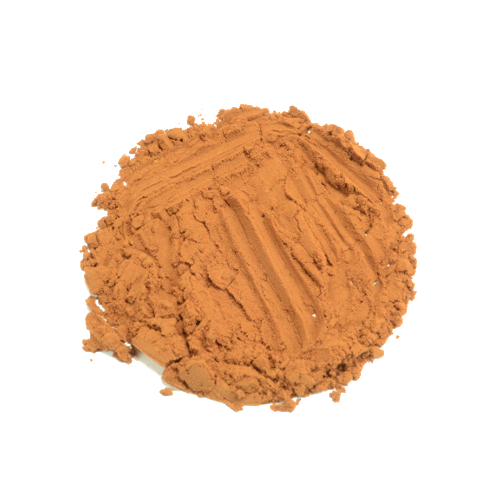
Kra Thom Kok Hirsuta 25:1 Extract
Concentrated powdered extract - 1KG
Contact for Availability
View Product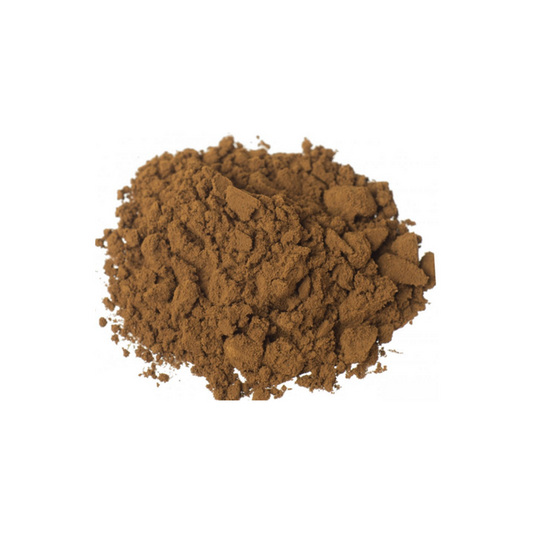
Kra Thom Kok Hirsuta 100:1 Extract
Ultra-concentrated powdered extract - 1KG
Contact for Availability
View Product
Mitragyna Javanica 100:1 Extract
Kra Thom Na powdered extract - 1KG
Contact for Availability
View ProductThese alternative species present unique formulation considerations:
- Different solubility profiles requiring adjusted extraction protocols
- Varied flavor profiles that may require different masking strategies
- Distinct regulatory considerations in different jurisdictions
- Novel market positioning opportunities
Learn more about sustainable sourcing practices in our article on Sourcing Rare Species Without Overharvest.
Challenge #10: Consumer Education and Expectations

Understanding kratom from source to finished product
Managing Consumer Expectations
Successfully marketing liquid kratom products requires addressing common consumer misconceptions and questions:
- Potency expectations: Educating consumers about appropriate serving sizes and alkaloid content
- Flavor realities: Managing expectations about taste while emphasizing quality
- Onset and duration: Explaining how liquid formats compare to powder consumption
- Storage requirements: Proper handling to maintain product quality
Transparent Communication
Building trust through transparency is essential for long-term brand success:
- Clear alkaloid content labeling with third-party verification
- Accessible certificates of analysis for each batch
- Honest ingredient disclosure including all flavoring and preservation systems
- Educational resources about responsible use
- Responsive customer service for questions and concerns
Mitra Science Commitment
At Mitra Science, we believe in complete transparency. Every product comes with detailed lab testing documentation, and our team is available to answer technical questions about formulation, sourcing, and quality control. Contact us at info@mitrascience.com or call +1-347-486-4872.
Innovation and Future Directions

Advancing Mitragyna research and product development
Emerging Technologies
The liquid kratom formulation landscape continues to evolve with emerging technologies:
- Liposomal encapsulation: Protecting alkaloids while potentially enhancing absorption
- Microencapsulation: Taste-masking through physical encasement of bitter compounds
- Novel extraction methods: Supercritical CO2 extraction for cleaner alkaloid profiles
- Precision fermentation: Future possibility of biosynthesized alkaloids for consistent supply
Market Evolution
Consumer preferences continue to drive product innovation:
- Functional beverage integration: Kratom-containing energy drinks, relaxation beverages
- Flavor innovation: Sophisticated flavor systems rivaling mainstream beverages
- Sustainable packaging: Eco-friendly materials and reduced plastic usage
- Personalization: Products tailored to specific use occasions or alkaloid profiles
Stay informed about the latest developments by following our Mitra Science Blog, where we regularly publish articles on kratom science, cultivation practices, and industry innovations.
Conclusion: Balancing Science and Art

Mitra Science - Serving US, EU, and Indonesia
Formulating flavored kratom liquids represents a complex intersection of botanical science, food technology, sensory science, and regulatory compliance. Success requires not just technical expertise but also a deep understanding of consumer needs and market dynamics.
The challenges outlined in this guide—from alkaloid extraction and flavor masking to stability optimization and regulatory navigation—demand sophisticated solutions and continuous innovation. Manufacturers who invest in understanding these complexities and implementing robust solutions will be best positioned for success in this evolving market.
At Mitra Science, we're committed to advancing the science and practice of kratom formulation through:
- Premium quality raw materials sourced through ethical, sustainable supply chains
- Comprehensive laboratory testing and quality assurance protocols
- Technical support and formulation consultation for manufacturers
- Ongoing research into extraction efficiency, alkaloid stability, and innovative delivery systems
- Education and transparency throughout the industry
Whether you're developing your first liquid kratom product or optimizing an existing formulation, understanding and addressing these key challenges will be crucial to your success.
Ready to Start Your Formulation Journey?
Explore our comprehensive range of wholesale kratom products and extracts
Browse Extracts Collection Browse Powdered Leaves Contact Our TeamRelated Resources

Sourcing Rare Species Without Overharvest
Sustainable practices in botanical conservation
Read Article
