


Key Takeaways
Essential Kratom Cultivation Practices
- Sustainable harvesting requires waiting until trees reach 2-3 years of maturity
- Optimal soil conditions include well-draining, slightly acidic soil (pH 5.5-6.5)
- Propagation can be done through both seeds and stem cuttings
- Different strains (White, Green, Red) require specific harvesting techniques
- Proper replanting protocols ensure continuous cultivation cycles
- Climate requirements include tropical conditions (70-90°F/21-32°C) and high humidity
Introduction: Understanding Kratom Cultivation
Kratom (Mitragyna speciosa) is a tropical evergreen tree native to Southeast Asia that has been traditionally cultivated for centuries. At Mitra Science, we specialize in providing premium kratom products sourced through sustainable and ethical harvesting practices. Proper cultivation techniques are essential for maintaining both the quality of kratom and the ecological balance of its native environments, ensuring that this botanical treasure continues to thrive for generations to come.
1. Selecting the Ideal Growing Environment
Successful kratom cultivation begins with creating the optimal growing environment. These trees thrive in specific conditions that mimic their natural tropical habitat, and failing to provide these conditions can result in stunted growth, reduced alkaloid content, and increased susceptibility to pests and diseases.

Climate Requirements
Kratom trees require a tropical climate with temperatures consistently between 70-90°F (21-32°C). These trees are extremely sensitive to cold, with damage occurring when temperatures drop below 68°F (20°C), and potential death if exposed to frost or prolonged cold spells. The ideal growing environment also includes:- High humidity levels (70-90%) to simulate their native rainforest conditions - Protection from direct, intense sunlight, especially during midday hours - Shelter from strong winds that can damage the large, delicate leaves - Consistent rainfall or irrigation to maintain soil moisture without waterlogging For those interested in growing their own kratom, our tropical tree seeds collection provides viable starting materials for cultivation enthusiasts. These carefully harvested seeds come from mature, healthy specimens selected for their robust growth characteristics and alkaloid profiles.
Soil Composition
The ideal soil for kratom cultivation should be:- Well-draining but moisture-retentive to prevent root rot while providing adequate hydration - Rich in organic matter to supply essential nutrients and beneficial microorganisms - Slightly acidic (pH 5.5-6.5) to facilitate optimal nutrient uptake - Deep enough to accommodate extensive root systems that can reach several feet Many successful kratom farmers incorporate compost, peat moss, and perlite into their soil mix to achieve these characteristics. The soil should never become waterlogged, as this can quickly lead to root rot and other fungal diseases that can devastate kratom plantations. In traditional growing regions, farmers often select locations on gentle slopes to ensure natural drainage while maintaining adequate moisture levels in the root zone.
2. Propagation Methods for Kratom Trees
There are two primary methods for propagating kratom trees: seed propagation and vegetative propagation through cuttings. Each approach has distinct advantages and challenges that cultivators should consider based on their specific goals and resources.

Seed Propagation Protocol
Kratom seeds present a unique challenge due to their extremely short viability period—often just a few days. This characteristic has evolved as an adaptation to their natural rainforest environment, where quick germination is advantageous. For successful germination:1. Obtain fresh seeds from mature kratom trees, ideally harvested within 1-2 days 2. Plant immediately in a seedling mix with high humidity, using shallow trays or pots 3. Maintain temperatures between 75-85°F (24-29°C) using heat mats if necessary 4. Keep soil consistently moist but not waterlogged through gentle misting or bottom watering 5. Provide indirect light until germination occurs, typically within 3-7 days if seeds are viable Germination rates for kratom seeds are typically low (10-20%), so planting multiple seeds is recommended. Our premium kratom seeds are harvested and shipped with special care to maintain maximum viability, though even under optimal conditions, cultivators should expect variable success rates due to the inherent biological characteristics of these seeds.
Vegetative Propagation Through Cuttings
Propagation through cuttings offers a more reliable method with these steps:1. Select healthy stems from mature plants (at least 1 year old) with no signs of disease or stress 2. Cut 6-8 inch sections with at least 2-3 nodes using clean, sharp pruning shears 3. Remove lower leaves, leaving 2-4 leaves at the top to reduce transpiration while maintaining photosynthesis 4. Dip the cut end in rooting hormone containing IBA (indole-3-butyric acid) to stimulate root development 5. Plant in a well-draining medium (perlite/vermiculite mix) that provides aeration and moisture retention 6. Maintain high humidity with a plastic cover or humidity dome to prevent desiccation 7. Roots typically develop within 2-4 weeks, at which point hardening off can begin This method preserves the genetic characteristics of the parent plant, ensuring consistent alkaloid profiles in the resulting trees. For commercial operations, vegetative propagation is often preferred due to its reliability and the ability to select and reproduce plants with desirable characteristics such as higher alkaloid content, vigorous growth, or disease resistance.
3. Early Growth Care and Management
The first year of growth is critical for establishing healthy kratom trees that will eventually produce high-quality leaves. During this formative period, plants develop the root systems and structural framework that will support their long-term productivity.

Transplanting Seedlings
When seedlings reach 4-6 inches in height with several sets of true leaves:1. Prepare larger containers (1-3 gallon pots) with well-draining soil mix enriched with organic matter 2. Carefully remove seedlings, minimizing root disturbance to prevent transplant shock 3. Plant at the same depth as the original container to avoid stem rot or root exposure 4. Water thoroughly after transplanting to settle soil and eliminate air pockets around roots 5. Provide partial shade for 1-2 weeks while establishing to reduce transpiration stress During this transition period, seedlings are particularly vulnerable to environmental stressors, so close monitoring is essential. Maintaining consistent moisture without overwatering is critical, as young kratom plants can quickly succumb to both drought and excessive moisture.
Nutrient Management
Young kratom trees require specific nutritional support:- Apply balanced, slow-release fertilizer (NPK 10-10-10) monthly during the growing season - Supplement with micronutrients, especially magnesium and calcium, which are essential for chlorophyll production and cell wall development - Increase nitrogen during active growth phases to support leaf development and canopy expansion - Reduce fertilizer during dormant periods to prevent salt buildup and nutrient burn - Monitor leaf color and growth patterns as indicators of nutritional status Organic fertilizers like compost tea, worm castings, and fish emulsion work exceptionally well for kratom cultivation, promoting healthy microbiomes in the soil. These natural approaches not only provide balanced nutrition but also enhance soil structure and microbial activity, creating a sustainable growing environment that mimics the trees' natural habitat.
Our blog on the evolution of kratom cultivation provides deeper insights into how traditional growing methods have evolved into modern farming practices, incorporating both ancestral wisdom and contemporary agricultural science.
4. Strain-Specific Cultivation Techniques
Different kratom strains require specific cultivation approaches to maximize their unique characteristics. At Mitra Science, we cultivate various strains to provide diverse options for our customers, each with distinct alkaloid profiles and botanical characteristics.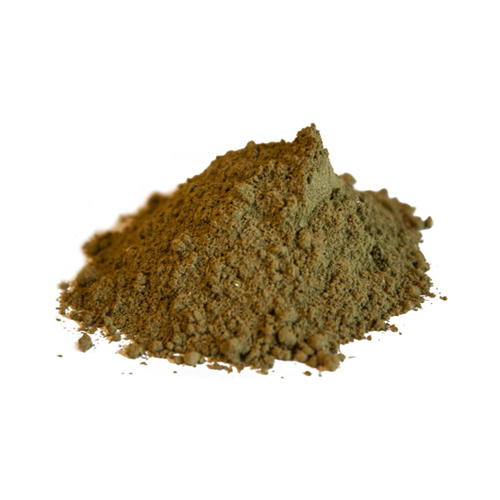
White Vein Varieties
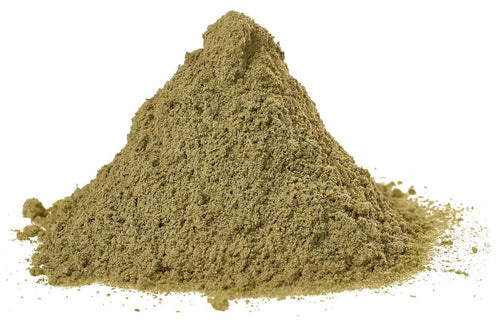
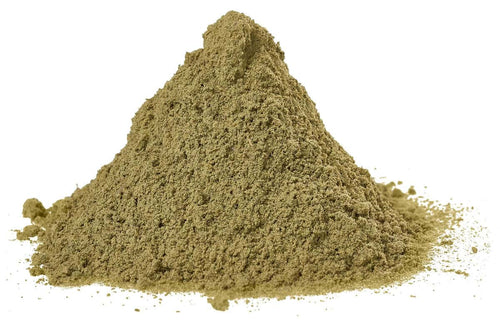
White Borneo and White Horn kratom varieties are typically harvested from younger leaves with these characteristics:- Trees grown in areas with more direct sunlight to promote higher mitragynine content - Harvested earlier in the leaf maturity cycle when veins are still pale or whitish - Often grown in slightly drier soil conditions to stress the plant mildly, enhancing alkaloid production - Pruned more frequently to encourage new growth and maintain a higher ratio of young leaves - Leaves typically harvested in the morning hours to capture specific alkaloid profiles These cultivation practices result in leaves with distinctive alkaloid ratios. The timing of harvest is particularly crucial, as alkaloid content can vary significantly throughout the day due to the plant's natural metabolic cycles.
Green Vein Varieties
Green Bali and Green Horn kratom varieties represent the mid-point of leaf maturity:- Balanced sun exposure (partial shade) to develop moderate alkaloid profiles - Moderate moisture levels that avoid both drought stress and excessive irrigation - Harvested when leaves reach full size but before vein color changes to red - Less frequent pruning than white vein varieties to allow leaves to mature properly - Often grown in locations with afternoon shade to protect from the harshest sun The cultivation of green vein varieties aims to achieve a balanced alkaloid profile, capturing the middle stage of the leaf's maturation process. This requires careful monitoring of growing conditions and precise timing of harvests to capture leaves at their optimal stage of development.
Red Vein Varieties
Red Bali and Red Malay kratom varieties come from the most mature leaves:- Often grown in areas with filtered sunlight to allow for slower, more complete maturation - Higher humidity levels that support the development of distinctive alkaloid profiles - Longer growth period before harvest to allow full leaf maturation and vein reddening - Special post-harvest fermentation techniques that further modify the alkaloid content - Typically harvested in the afternoon or evening when certain alkaloids reach peak levels The cultivation of red vein varieties requires the most patience, as these leaves must reach full maturity before harvest. Additionally, the post-harvest processing techniques, including specialized drying and fermentation methods, are crucial for developing the characteristic properties of red vein kratom.
Understanding these strain-specific requirements allows cultivators to produce consistent, high-quality kratom with the desired characteristics, catering to the diverse preferences of kratom enthusiasts.
5. Sustainable Harvesting Techniques
Sustainable harvesting is central to responsible kratom cultivation, ensuring both quality products and the long-term health of the trees. Proper harvesting techniques preserve the vitality of the trees while maximizing yield and alkaloid content.
Determining Harvest Readiness
Kratom trees should reach certain benchmarks before harvesting begins:- Minimum age of 2-3 years for initial harvest to ensure proper alkaloid development - Trunk diameter of at least 3 inches (7.5 cm) indicating sufficient maturity - Height of 12-15 feet (3.6-4.5 meters) demonstrating robust structural development - Full, healthy canopy with abundant leaf production and proper coloration - Visible vein coloration appropriate for the intended strain variety Premature harvesting can stress trees and reduce both yield and alkaloid content in subsequent harvests. Trees harvested too early may never reach their full productive potential and could become more susceptible to diseases and environmental stressors. At Mitra Science's bulk kratom wholesale, we ensure all our kratom comes from properly matured trees that have been cultivated according to sustainable practices.
Selective Leaf Harvesting
Rather than stripping trees completely, sustainable harvesting involves:1. Selecting only mature leaves (typically 70-80% of available leaves) based on size and coloration 2. Harvesting from the outer canopy first to maintain the tree's photosynthetic capacity 3. Leaving sufficient foliage for continued photosynthesis and recovery (at least 20-30%) 4. Rotating harvest areas within plantations to allow complete recovery between harvests 5. Using clean, sharp tools to minimize damage to branches and reduce infection risk This approach allows trees to recover quickly and maintains consistent production cycles. Traditional harvesters often develop an intuitive understanding of each tree's capacity, recognizing subtle signs of stress or readiness that inform their harvesting decisions.
Harvest Timing Considerations
The timing of kratom harvests significantly impacts the final product:- Morning harvests (before 10 AM) often yield higher alkaloid content due to the plant's natural metabolic cycles - Seasonal variations affect leaf characteristics, with dry season harvests typically showing higher alkaloid concentrations - Avoiding harvest during heavy rain periods reduces mold risk and facilitates proper drying - Synchronized harvesting with natural growth cycles improves sustainability and tree health - Moon phase harvesting is practiced by some traditional farmers who believe it influences alkaloid content By following these protocols, cultivators can maintain healthy trees that produce quality leaves for many years. This sustainable approach not only ensures the long-term viability of kratom cultivation but also supports the ecological balance of the growing regions and the economic stability of farming communities.
6. Post-Harvest Processing Methods
The way kratom leaves are processed after harvesting plays a crucial role in determining the final product characteristics. Proper processing preserves alkaloids, prevents contamination, and develops the distinctive properties of different kratom varieties.

Drying Protocols
Proper drying is essential for preserving alkaloids and preventing contamination:1. Initial cleaning to remove debris and contaminants through gentle washing or wiping 2. Indoor drying in climate-controlled environments (preferred method) to prevent contamination and maintain quality 3. Temperature maintained between 70-85°F (21-29°C) to preserve alkaloids while preventing microbial growth 4. Humidity controlled at 45-55% to facilitate even drying without creating conditions for mold development 5. Air circulation without direct fans on leaves to prevent uneven drying and physical damage 6. Drying time of 1-3 days depending on conditions, with leaves being turned periodically for uniform drying Outdoor drying may be used in traditional settings but carries higher risks of contamination and uneven drying. The drying process significantly impacts the final alkaloid profile, with different temperatures and durations resulting in varying characteristics. For those interested in advanced processing techniques, our blog on ethanol vs. water extraction efficiency provides valuable insights into how different extraction methods affect the final product.
Fermentation Techniques
Some kratom varieties, particularly red vein types, undergo fermentation:1. Partially dried leaves are gathered into piles or bags to create a controlled microenvironment 2. Controlled humidity and temperature promote specific enzymatic processes that transform alkaloids 3. Regular monitoring prevents unwanted microbial growth while allowing beneficial fermentation 4. Process continues for 1-3 days depending on desired characteristics and environmental conditions 5. Complete drying follows fermentation to stabilize the altered alkaloid profile and prevent spoilage This process alters the alkaloid profile and creates the distinctive characteristics of certain kratom varieties. The fermentation process is as much an art as a science, with experienced processors developing a keen sense for when leaves have reached optimal fermentation. Traditional techniques passed down through generations of kratom farmers continue to influence modern processing methods, even as scientific understanding of the biochemical processes involved improves.
Grinding and Storage
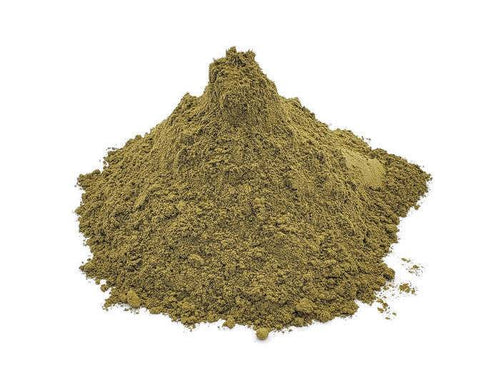
The final processing steps include:1. Grinding dried leaves to a fine powder using dedicated equipment to prevent cross-contamination 2. Immediate packaging in airtight, light-resistant containers to preserve freshness and potency 3. Storage in cool, dry environments to prevent degradation of alkaloids and microbial growth 4. Batch testing for quality assurance, including alkaloid content and contaminant screening 5. Proper labeling with harvest and processing dates to ensure traceability and freshness These careful processing steps ensure that the final product maintains its potency and purity from production through distribution. Our kratom extracts collection showcases products created using specialized processing techniques that concentrate the natural compounds found in kratom leaves.
For those interested in more advanced extraction methods, our blog on resin extraction methods details the techniques used to create premium kratom extracts, combining traditional knowledge with modern scientific approaches.
7. Replanting Strategies for Sustainable Production
Establishing effective replanting protocols ensures continuous production and maintains the ecological balance of kratom plantations. Strategic replanting supports long-term sustainability while maximizing productivity.

Plantation Rotation Systems
Sustainable kratom farming often employs rotation systems:1. Dividing plantation areas into sections that can be managed independently 2. Implementing staggered planting schedules to ensure continuous production 3. Allowing sections to rest between intensive harvest periods to recover soil fertility 4. Integrating complementary crops to maintain soil health and biodiversity 5. Monitoring soil quality and replenishing nutrients naturally through cover crops and green manures This approach prevents soil depletion and reduces pest and disease pressure by breaking cycles. Traditional farming systems often incorporate complex polyculture approaches that mimic natural forest ecosystems, creating resilient and productive agricultural systems that can be maintained for generations without degradation.
Replacing Aging Trees
Even well-maintained kratom trees eventually decline in productivity:1. Trees typically remain productive for 10-15 years before alkaloid production diminishes 2. Planning replacement cycles beginning around year 8 to maintain consistent production 3. Establishing nurseries for replacement seedlings using genetic material from the best performers 4. Gradual replacement rather than clear-cutting to maintain habitat continuity and soil stability 5. Preserving genetic diversity through varied propagation sources to enhance resilience At Mitra Science, we value biodiversity and sustainable farming practices, which is why we also work with related species like Mitragyna parvifolia. This approach helps preserve the broader ecosystem while providing diverse botanical options for our customers.
Soil Regeneration Practices
Maintaining soil health is essential for sustainable kratom cultivation:1. Regular soil testing to monitor nutrient levels and pH, allowing targeted amendments 2. Implementing cover crops during fallow periods to prevent erosion and fix nitrogen 3. Applying compost and organic matter to replenish nutrients and support soil microbiology 4. Minimal tillage to preserve soil structure and protect beneficial fungi networks 5. Establishing buffer zones to prevent erosion and create habitat for beneficial organisms These regenerative practices ensure that kratom plantations remain productive for generations while minimizing environmental impact. By working with natural processes rather than against them, sustainable kratom cultivation can actually improve soil health and ecosystem function over time, creating a positive environmental legacy.
8. Pest and Disease Management in Kratom Cultivation
Pest and disease management is essential for maintaining healthy kratom trees without resorting to harmful chemicals. Integrated approaches focus on prevention and biological controls to minimize environmental impact.

Common Kratom Pests
Kratom trees can be affected by various pests:1. Spider mites - particularly during dry periods, causing stippling on leaves and fine webbing 2. Aphids - attack new growth and spread quickly, potentially transmitting viral diseases 3. Scale insects - difficult to detect until populations are large, appearing as bumps on stems and leaves 4. Caterpillars - can quickly defoliate young trees, targeting tender new growth 5. Root nematodes - cause stunted growth and yellowing by damaging root systems underground Integrated pest management strategies focus on prevention, regular monitoring, and biological controls before resorting to interventions. Establishing diverse plantations with companion plants can create habitat for beneficial insects that naturally control pest populations, reducing the need for external inputs.
Disease Prevention
Common diseases affecting kratom include:1. Root rot - caused by overwatering and poor drainage, leading to oxygen-deprived roots 2. Powdery mildew - appears during humid conditions as white powdery patches on leaves 3. Leaf spot diseases - various fungal pathogens creating discolored spots that can expand and merge 4. Stem cankers - entry points for secondary infections that can girdle branches or trunks 5. Viral diseases - often transmitted by insect vectors, causing mottling, stunting, or deformation Prevention strategies include:
- Proper spacing between trees for air circulation to reduce humidity around foliage - Careful water management to prevent waterlogging and associated root diseases - Regular removal of fallen leaves and debris that can harbor pathogens - Quarantine of new plants before introduction to plantations to prevent disease spread - Use of disease-resistant varieties when available through selective breeding programs Our crushed leaves collection comes from healthy, disease-free trees that have been carefully monitored throughout their growth cycle. This attention to plant health ensures that our products maintain the highest quality standards.
Organic Treatment Options
When intervention is necessary, organic approaches include:1. Neem oil applications for insect control, disrupting feeding and reproduction cycles 2. Beneficial insects like ladybugs and lacewings that prey on common kratom pests 3. Compost teas to boost plant immunity through beneficial microorganisms 4. Diatomaceous earth for crawling insects, providing physical rather than chemical control 5. Copper-based fungicides for severe fungal outbreaks when other methods have failed These methods protect both the health of the kratom trees and the surrounding ecosystem, ensuring that products like our Mitragyna Hirsuta extract remain free from harmful residues. By focusing on ecosystem health rather than simply eliminating pests, sustainable kratom cultivation creates resilient systems that require fewer interventions over time.
9. Water Management for Kratom Trees
Proper water management is crucial for kratom cultivation, balancing the trees' need for consistent moisture with the importance of preventing waterlogged conditions. Water management strategies support healthy growth while conserving water resources.

Irrigation Systems
Irrigation approaches for kratom include:1. Drip irrigation - delivers water directly to root zones, minimizing waste and foliar disease 2. Micro-sprinklers - provides gentle, controlled moisture that mimics natural rainfall patterns 3. Rainwater harvesting - sustainable water source that reduces reliance on groundwater or municipal supplies 4. Mulching - reduces evaporation and maintains soil moisture while suppressing weeds 5. Scheduled watering based on seasonal needs rather than fixed intervals These systems should be designed to provide consistent moisture without creating standing water or saturated soil conditions. In traditional cultivation regions, farmers often develop sophisticated water management approaches that work with local rainfall patterns and topography to maximize efficiency.
Seasonal Adjustments
Water requirements vary throughout the year:- Dry season - increased irrigation frequency to compensate for lack of rainfall - Rainy season - reduced supplemental watering to prevent waterlogging and root diseases - Growth phase - higher water needs to support rapid development of new tissues - Dormant periods - reduced irrigation to match lower metabolic demands - Pre-harvest period - slight reduction to enhance alkaloid concentration through mild stress Understanding these seasonal variations helps cultivators provide optimal conditions while conserving water resources. Experienced farmers develop an intuitive sense for their trees' water needs, often recognizing subtle signs of stress or excess that inform their irrigation decisions.
Water Quality Considerations
The quality of water used for irrigation affects kratom growth:1. pH testing - ideally between 6.0-7.0 to facilitate optimal nutrient uptake 2. Chlorine removal - if using municipal water, allowing water to stand or using filtration 3. Mineral content monitoring - excessive minerals can accumulate in soil over time 4. Temperature considerations - cold water can shock root systems and slow growth 5. Filtration systems - remove contaminants when necessary to protect plant health At Mitra Science, we recognize that proper water management contributes significantly to the quality of our kratom products, including our specialized formulations. The careful attention to water quality throughout the cultivation process ensures that our products maintain their distinctive characteristics and purity.
10. Pruning and Training Techniques
Strategic pruning and training significantly impact kratom tree productivity and harvest quality. These techniques shape tree architecture to maximize leaf production while maintaining tree health and facilitating harvesting.

Formative Pruning
Young kratom trees benefit from early structural pruning:1. Establishing a central leader for upright growth and structural integrity 2. Removing competing vertical branches that create weak crotch angles 3. Creating a balanced branch structure to distribute weight evenly 4. Eliminating crossed or rubbing branches that can create wounds and entry points for disease 5. Setting the foundation for future canopy development through strategic branch selection These early interventions shape the tree's long-term growth pattern and productivity. While kratom trees naturally grow with a relatively upright form, strategic pruning enhances their structure for cultivation purposes, creating trees that are both productive and resilient to environmental stressors like wind and rain.
Maintenance Pruning
Established trees require regular maintenance:1. Removing dead or diseased branches promptly to prevent spread of pathogens 2. Thinning dense areas to improve air circulation and reduce fungal disease pressure 3. Raising the canopy base as trees mature to improve access and air movement 4. Maintaining accessible harvest height through selective heading cuts 5. Encouraging lateral branching for increased leaf production through pinching and tip pruning For varieties like our Green Horn Kratom, proper pruning helps develop the distinctive leaf characteristics. The unique "horned" leaf edges that give this variety its name are more pronounced when trees receive optimal light exposure through strategic canopy management.
Canopy Management
Advanced techniques focus on optimizing the productive canopy:1. Selective tipping to encourage branching and create a fuller, more productive canopy 2. Creating a spreading canopy for maximum leaf exposure to optimize photosynthesis 3. Maintaining ideal tree height (typically 12-15 feet for harvesting) through crown reduction 4. Balanced sun exposure throughout the canopy to ensure uniform leaf development 5. Rejuvenation pruning for older trees to stimulate new growth and maintain productivity These techniques maximize leaf production while maintaining tree health and facilitating easier harvesting. The art of canopy management combines horticultural science with practical considerations, creating trees that produce abundant, high-quality leaves while remaining accessible for harvesting and maintenance. Our Mitragyna parvifolia collection demonstrates the results of proper canopy management in related species.
11. Quality Testing and Standardization
Implementing rigorous quality testing ensures consistent, safe kratom products that meet industry standards. These practices protect consumers and build trust in the marketplace.

Alkaloid Testing
Comprehensive testing focuses on key compounds:1. Mitragynine content analysis using high-performance liquid chromatography (HPLC) 2. 7-hydroxymitragynine levels assessment to ensure appropriate concentrations 3. Full alkaloid profile assessment to identify the complete spectrum of active compounds 4. Batch-to-batch consistency verification to maintain product reliability 5. Comparison against established standards to ensure potency and authenticity At Mitra Science, every batch of our White Borneo Kratom and other varieties undergoes rigorous alkaloid testing to ensure consistent quality. This scientific approach allows us to provide products with reliable characteristics, giving customers confidence in their purchases.
Contaminant Screening
Safety testing includes screening for:1. Microbial contaminants (E. coli, Salmonella, mold, yeast) that could pose health risks 2. Heavy metals (lead, arsenic, mercury, cadmium) using atomic absorption spectroscopy 3. Pesticide residues through gas chromatography-mass spectrometry (GC-MS) 4. Adulterants and undeclared additives that might compromise product purity 5. Environmental pollutants that could accumulate in plant tissues This comprehensive screening ensures that all products meet strict safety standards before reaching customers. By implementing these rigorous testing protocols, responsible kratom producers protect consumer health while building trust in the industry as a whole.
Documentation and Traceability
Quality management systems include:1. Detailed harvest records documenting location, date, and conditions 2. Processing documentation tracking temperature, duration, and methods 3. Batch numbering systems allowing complete product traceability 4. Sample retention for future reference and verification 5. Complete chain-of-custody tracking from farm to consumer This documentation allows for full traceability from seed to sale, supporting both quality assurance and regulatory compliance. In the event of any quality concerns, this system enables rapid identification of affected products and investigation of root causes. Our Green Bali Kratom exemplifies our commitment to quality and innovation in the industry.
12. Implementing Sustainable Harvesting Certification
Formal certification programs help ensure that kratom is produced using environmentally and socially responsible methods. These frameworks provide guidelines and verification systems that promote best practices throughout the industry.

Certification Standards
Emerging kratom certification programs typically address:1. Environmental sustainability practices including forest conservation and biodiversity protection 2. Fair labor conditions and compensation ensuring workers receive living wages and safe conditions 3. Quality control and testing protocols that verify product safety and consistency 4. Traceability and documentation requirements providing complete supply chain transparency 5. Compliance with local and international regulations governing botanical products These standards provide a framework for responsible kratom production and help consumers identify ethically produced products. As the industry matures, these certification systems are becoming increasingly important for distinguishing responsible producers and creating market incentives for sustainable practices.
Implementation Process
Achieving certification typically involves:1. Initial assessment of current practices against certification standards to identify gaps 2. Development of required documentation systems to track compliance and progress 3. Implementation of any necessary changes to meet standards, often requiring significant investment 4. Third-party verification through on-site audits conducted by independent certifying bodies 5. Regular renewal and continuous improvement processes to maintain certification status At Mitra Science, we're committed to leading the industry in sustainable practices, as evidenced by our certified product lines. This commitment requires ongoing effort and investment, but we believe it's essential for the long-term health of both the industry and the ecosystems where kratom grows.
Benefits of Certification
Formal certification provides multiple advantages:1. Consumer confidence in product origins and quality, creating trust in the marketplace 2. Environmental protection in growing regions, preserving biodiversity and ecological services 3. Support for traditional farming communities through fair prices and stable markets 4. Differentiation in the marketplace that rewards responsible producers 5. Preparation for potential future regulations as oversight of botanical products increases Through our commitment to exceptional customer support and transparent practices, we help educate consumers about the importance of choosing certified kratom products. This educational effort supports broader industry adoption of sustainable practices, creating positive change throughout the supply chain.
Conclusion: The Future of Sustainable Kratom Cultivation
The implementation of proper harvesting and replanting protocols is essential for the long-term sustainability of kratom cultivation. These practices ensure that this valuable botanical resource continues to thrive while supporting the communities and ecosystems that depend on it. Through careful attention to environmental stewardship, quality control, and sustainable farming methods, the kratom industry can build a foundation for responsible growth and development.As we've explored throughout this comprehensive guide, successful kratom cultivation requires a deep understanding of the plant's natural habitat and growth requirements. From soil composition and climate control to pest management and post-harvest processing, every aspect of cultivation impacts the final product quality and environmental sustainability. The integration of traditional knowledge with modern agricultural science creates opportunities for innovation while respecting the cultural heritage of kratom-growing regions.
At Mitra Science, we remain committed to advancing these sustainable practices through our sourcing partnerships, quality testing protocols, and educational initiatives. By working closely with traditional farmers and implementing rigorous standards throughout our supply chain, we help ensure that kratom cultivation continues to support both human communities and natural ecosystems. Our comprehensive product testing, traceability systems, and certification programs demonstrate that commercial success and environmental responsibility can work hand in hand.
The future of kratom cultivation lies in the continued development of sustainable farming methods, improved processing techniques, and enhanced quality control systems. As consumer awareness grows and regulatory frameworks evolve, the industry must continue to prioritize transparency, safety, and environmental stewardship. Through collaborative efforts between producers, researchers, and regulatory bodies, we can establish best practices that protect both consumers and the natural resources upon which the kratom industry depends.
The protocols outlined in this guide represent more than just agricultural techniques—they embody a philosophy of responsible resource management that considers the long-term impacts of our cultivation practices. By implementing these methods, kratom farmers and producers can create a sustainable industry that honors the traditional uses of this remarkable plant while meeting the needs of modern consumers. This approach ensures that future generations will continue to benefit from kratom's botanical properties while preserving the biodiversity and cultural heritage of its native regions.
Through continued research, education, and commitment to sustainable practices, the kratom industry can serve as a model for responsible botanical cultivation. The investment in proper harvesting and replanting protocols today will determine the availability and quality of kratom for decades to come, making these practices not just beneficial, but essential for the industry's long-term viability and success.