


Essential Leaf Harvesting Principles
- Selective outer leaf harvesting preserves the growth center for continued production
- Proper harvesting technique can yield 3-5 harvests from a single planting
- Morning harvesting provides optimal leaf freshness and nutrient content
- Never harvest more than 1/3 of the plant at once to ensure healthy regrowth
- Different plant varieties require specific harvesting approaches for maximum yield
- Clean, sharp tools minimize plant damage and accelerate recovery time
- Post-harvest care is crucial for stimulating rapid regrowth and maintaining plant health
- Strategic fertilization after harvesting supports vigorous new growth development
- Seasonal adjustments to harvesting intensity align with natural growth cycles
- Staggered harvesting schedules can provide continuous yield while allowing recovery
Introduction to Sustainable Leaf Harvesting
The art of leaf harvesting is fundamental to sustainable botanical cultivation. Whether you're growing exotic species like Mitragyna varieties or common garden plants, proper harvesting techniques ensure continuous growth and maximum yield from your plants. At Mitra Science, we understand the importance of sustainable harvesting practices that promote plant health and longevity.
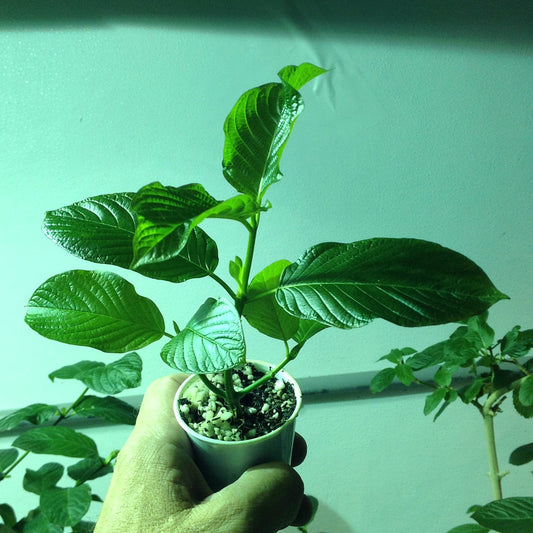

Sustainable leaf harvesting is not just about collecting leaves; it's about understanding plant biology and growth patterns to ensure your botanical specimens thrive for years to come. When done correctly, proper leaf harvesting techniques stimulate new growth, improve plant health, and maximize the yield of usable botanical material without damaging the plant's ability to regenerate.
The principles of sustainable harvesting apply across a wide spectrum of plant species, though specific techniques may vary based on growth habits, leaf arrangement, and overall plant architecture. By mastering these fundamental approaches, you can establish a continuous harvest cycle that benefits both your collection needs and the long-term vitality of your plants.
In this comprehensive guide, we'll explore various leaf picking methods specifically designed to maximize regrowth, focusing on techniques that can be applied to various plant species including those in our botanical gardening collection. Whether you're a home gardener or a serious botanical enthusiast, these methods will help you maintain healthy, productive plants that provide continuous harvests.
Understanding Plant Growth Cycles and Leaf Development
Before diving into specific harvesting techniques, it's essential to understand how plants grow and develop new leaves. This knowledge forms the foundation for effective harvesting strategies that promote regrowth rather than hindering it.

Growth Patterns in Different Plant Species
Plants typically grow from a central point, with new leaves emerging from the center while older leaves expand outward. This pattern is particularly evident in rosette-forming plants, but applies to many botanical species including trees and shrubs in the Mitragyna family.
Understanding meristematic tissue – the plant's growth centers – is crucial for sustainable harvesting. These specialized cell regions are responsible for producing new leaves, stems, and branches. In most plants, apical meristems at the tips of stems and branches drive vertical growth, while lateral meristems produce outward expansion. Preserving these growth centers during harvesting ensures the plant can continue generating new foliage.
For trees like Mitragyna speciosa, growth occurs from terminal buds at the ends of branches, with new leaves forming at these growth points. Understanding these growth patterns helps determine which leaves can be harvested without disrupting the plant's ability to produce new foliage.
Leaf Maturity Indicators
Knowing when leaves reach maturity is crucial for optimal harvesting. Mature leaves have typically reached their full size and developed their characteristic color and texture. In many plants, these mature leaves are often located on the outer portions of the plant or lower on the stem.
Visual indicators of leaf maturity include full expansion, developed venation patterns, thicker texture, and stabilized coloration. These mature leaves have completed their primary growth phase and have transitioned to their main function of photosynthesis. Harvesting at optimal maturity ensures you're collecting leaves at their peak quality while allowing the plant to direct energy toward developing newer foliage.
As our research on leaf maturity shows, the age of leaves can significantly impact their properties. Younger leaves often contain different concentrations of natural compounds compared to fully mature ones, which is particularly relevant for botanical enthusiasts studying plant properties.
Energy Storage and Redistribution
Plants store energy in their leaves, which they can redistribute to support new growth. When harvesting, it's important to leave enough foliage for the plant to continue photosynthesis and maintain its energy reserves. This balance ensures the plant has sufficient resources to regenerate after harvesting.
Photosynthesis generates carbohydrates that plants store primarily in leaves and stems. These energy reserves fuel new growth after harvesting. If too many leaves are removed at once, the plant must divert energy from stored reserves rather than current photosynthesis, potentially weakening its overall health. Understanding this energy balance helps determine appropriate harvesting intensity that supports rather than hinders regrowth.
Plants also prioritize resource allocation based on growth stage and environmental conditions. After harvesting, they typically redirect energy toward producing new photosynthetic tissue to restore balance. Supporting this natural process through proper harvesting techniques and post-harvest care maximizes regrowth potential.
The Cut-and-Come-Again Method: Fundamentals
The cut-and-come-again method is perhaps the most widely used approach for sustainable leaf harvesting across various plant species. This technique allows for multiple harvests from a single planting while promoting healthy regrowth.
Basic Principles of Cut-and-Come-Again
The cut-and-come-again method involves selectively harvesting mature leaves while preserving the plant's central growth point. By focusing on outer or lower leaves and leaving the center intact, you allow the plant to continue producing new foliage. This approach works for many plant types, from leafy greens to larger botanical specimens like those in our live trees collection.
This method mimics natural leaf senescence patterns where older leaves gradually die off while new growth continues from the center. By harvesting these outer leaves at their peak rather than waiting for natural decline, you maximize usable yield while still working with the plant's natural growth cycle. The key principle is maintaining the plant's growth architecture while selectively removing mature foliage.
Research has shown that proper implementation of this method can increase overall yield by 30-50% compared to single-harvest approaches, making it particularly valuable for botanical collections where sustainable, long-term production is the goal.
Implementing the Technique
To properly implement this method:
- Identify mature outer leaves that are fully developed
- Use clean, sharp tools to make precise cuts
- Leave the central growing point completely undisturbed
- Never harvest more than one-third of the plant at once
- Allow adequate recovery time between harvests (typically 1-2 weeks)
When harvesting, make clean cuts as close to the base of the leaf as possible without damaging the stem or crown. For some plants, you can simply snap mature leaves downward and outward, which creates a clean break at the natural abscission point. This technique is particularly useful for plants with thick, succulent leaves or those with clearly defined leaf joints.
This technique is particularly effective for plants with a rosette growth pattern or those that produce leaves from a central crown or growing point. By preserving this growth center, you ensure the plant can continue generating new leaves.
Recovery Period Considerations
The recovery period between harvests is crucial for maximizing regrowth. Plants need time to redirect energy toward producing new leaves after harvesting. The specific recovery time varies by species, but generally ranges from 7-14 days for herbaceous plants and can be longer for woody species.
During the recovery phase, plants undergo several physiological processes that support regeneration. Initially, they experience a brief stress response that triggers growth hormone production. This is followed by cellular division and expansion as new leaves begin to form. Finally, these new leaves mature and begin contributing to photosynthesis, restoring the plant's energy balance.
During this recovery period, ensure plants receive optimal growing conditions including appropriate light, water, and nutrients to support vigorous regrowth. Our guide to growing live kratom plants provides specific information on creating ideal conditions for these botanical specimens.
Selective Harvesting Techniques for Different Plant Types
Different plant species require tailored harvesting approaches based on their growth habits and leaf arrangement. Here we explore specialized techniques for various plant types.


Harvesting from Tree Species
For tree species like Mitragyna speciosa and Mitragyna parvifolia, selective branch harvesting is recommended. This involves:
When harvesting from trees, consider the overall canopy architecture and aim to maintain its natural shape. Removing too many leaves from one section can create imbalance and stress the tree. Instead, select branches from different areas to maintain symmetry and structural integrity. For valuable specimens like Mitragyna species, this balanced approach preserves both health and aesthetic qualities.
This approach stimulates branching and creates a fuller, bushier tree while maintaining overall health. For our live tree collection, proper pruning during harvest also helps maintain an attractive shape while maximizing leaf production.
Techniques for Herbaceous Plants
Herbaceous plants with multiple stems or rosette growth patterns require a different approach:
For herbaceous plants with multiple stems, such as many culinary and medicinal herbs, harvesting can actually promote bushier growth and prevent legginess. By cutting stems just above leaf nodes or growth points, you stimulate the plant to produce two or more new stems from that location. This technique, sometimes called "pinching," increases overall leaf production while maintaining a compact growth habit.
This method works well for many botanical specimens and ensures continuous production throughout the growing season.
Specialized Methods for Vining Plants
Vining plants present unique harvesting challenges and opportunities:
Vining plants often benefit from a technique called "heading back," where the growing tip is removed to force lateral branching. This creates multiple growing points instead of a single long vine, significantly increasing potential harvest area. When combined with proper support systems like trellises or stakes, this approach maximizes both light exposure and air circulation, reducing disease risk while increasing productivity.
These techniques promote bushier growth and increase overall leaf production in vining species.
Timing Considerations for Optimal Leaf Harvesting
The timing of your harvest significantly impacts both the quality of harvested leaves and the plant's ability to regenerate effectively.

Seasonal Harvesting Considerations
Different seasons affect plant growth rates and recovery capabilities:
Plant hormone levels fluctuate seasonally, with higher concentrations of growth-promoting auxins and cytokinins during spring and early summer. These natural hormones facilitate faster cell division and expansion, enabling more rapid regrowth after harvesting. As daylight hours decrease in fall, plants produce more abscisic acid, which slows growth and prepares them for dormancy. Aligning your harvesting intensity with these natural hormonal cycles optimizes both yield and plant health.
For tropical species like those in our Southeast Asian botanical collection, growth may remain relatively consistent year-round when grown in controlled indoor environments, but will still follow natural cycles when grown outdoors in compatible climates.
Time of Day Impact
The time of day when harvesting occurs affects both leaf quality and plant recovery:
Research indicates that plants accumulate carbohydrates through photosynthesis during daylight hours, with levels peaking in late afternoon. However, these carbohydrates are converted to more complex compounds overnight, which are then transported throughout the plant in the morning. This makes morning harvesting ideal for capturing optimal nutrient content while giving the plant maximum recovery time before nightfall.
Morning harvesting gives plants the full day to begin recovery processes before nightfall, potentially speeding up regeneration.
Growth Stage Timing
Harvesting at the right growth stage ensures optimal regrowth:
The transition from vegetative growth to flowering represents a significant shift in a plant's energy allocation. Once flowering begins, many plants redirect resources away from leaf production toward reproductive structures. Harvesting before this transition maintains the plant's focus on vegetative growth and ensures faster leaf regeneration. For plants grown primarily for their foliage, preventing or delaying flowering through timely harvesting can significantly extend productive life.
Understanding these timing factors helps maximize both the quality of harvested material and the plant's ability to recover and produce new growth quickly.
Tools and Techniques for Clean Harvesting
Using the right tools and proper harvesting techniques minimizes plant damage and promotes faster, healthier regrowth.


Essential Harvesting Tools
The right tools make clean, precise cuts that heal quickly and minimize stress to the plant:
The quality of your cutting tools directly impacts plant health and recovery speed. Dull blades crush plant tissue rather than cleanly cutting it, creating larger wounds that heal more slowly and potentially introducing pathogens. High-quality stainless steel or carbon steel tools with regularly sharpened edges make the cleanest cuts. For precision work on valuable specimens, consider specialized botanical pruners designed for minimal impact harvesting.
Always clean and sanitize tools between plants to prevent disease transmission. For valuable botanical specimens like our live kratom trees, this precaution is particularly important.
Proper Cutting Techniques
How you make cuts significantly impacts plant recovery and regrowth:
The angle of your cuts can significantly affect healing and regrowth. For stems and branches, a 45-degree angle cut maximizes the surface area for healing while preventing water accumulation that could lead to rot. This angled cut also exposes more cambium tissue – the layer responsible for new growth – potentially accelerating regeneration from that point. When removing entire leaves, cut as close to the main stem as possible without damaging it to minimize the wound area.
These techniques minimize damage to the plant's vascular system and reduce healing time, allowing energy to be directed toward new growth rather than recovery.
Handling Harvested Leaves
Proper handling of harvested leaves maintains their quality and prevents unnecessary stress on the remaining plant:
How you handle leaves during and immediately after harvesting affects both their quality and the parent plant's health. Rough handling that damages remaining plant tissue can create entry points for pathogens or cause unintentional breakage. Using dedicated harvesting baskets or bags that allow air circulation prevents heat buildup and premature wilting, particularly important for delicate specimens or when harvesting in warm conditions.
For botanicals intended for study or processing, like those in our leaf collection, proper handling preserves the natural compounds and characteristics of interest.
Post-Harvest Care to Stimulate Regrowth
What you do after harvesting is just as important as the harvesting technique itself for maximizing regrowth potential.
Watering Practices After Harvesting
Proper watering helps plants recover quickly from harvest stress:
Harvesting reduces a plant's leaf surface area, which consequently decreases water loss through transpiration. This change in water balance requires adjustments to your watering regimen to prevent both under and overwatering. After harvesting, many plants benefit from slightly reduced water volume but increased frequency until new foliage develops. This approach maintains adequate moisture without creating waterlogged conditions that could promote root disease during the vulnerable recovery period.
Water is essential for transporting nutrients needed for new growth, making proper hydration crucial during the post-harvest recovery period.
Fertilization Strategies
Strategic fertilization supports vigorous regrowth:
The specific nutritional needs of plants shift slightly after harvesting. While nitrogen remains important for leaf development, phosphorus supports energy transfer and root development, which are crucial during recovery. A slightly higher ratio of potassium can enhance overall stress resistance and cellular function. For many botanical specimens, a post-harvest fertilizer with an NPK ratio of approximately 3-1-2 provides an ideal balance for supporting vigorous regrowth without excessive nitrogen that might promote weak, leggy growth.
Different plant species have varying nutritional needs, so tailor your fertilization approach accordingly. For specialized botanical specimens like Mitragyna speciosa, researching specific nutritional requirements ensures optimal results.
Environmental Adjustments
Creating optimal growing conditions accelerates regrowth:
Light intensity requirements often change after harvesting. With reduced leaf surface, plants may benefit from slightly lower light levels initially to prevent stress on remaining foliage. As new growth emerges, gradually increasing light exposure supports robust development while preventing etiolation (stretching due to insufficient light). For indoor specimens, adjustable grow lights or strategic placement relative to windows allows for these beneficial light modifications during the recovery phase.
For valuable botanical specimens, these environmental adjustments can significantly impact regrowth speed and quality.
Species-Specific Harvesting Approaches
Different plant species require tailored harvesting approaches based on their unique growth habits and characteristics.
Mitragyna Species Harvesting Guidelines
For Mitragyna species such as those in our Mitragyna hirsuta collection, consider these specialized approaches:
Mitragyna species exhibit opposite leaf arrangement and terminal growth patterns that require specific harvesting considerations. When harvesting from these trees, preserving the terminal buds at branch tips ensures continued extension growth. For mature specimens, selective thinning of interior branches improves air circulation and light penetration, potentially increasing overall productivity while reducing disease pressure. This approach maintains the tree's natural canopy architecture while optimizing conditions for both existing and new foliage.
These guidelines are based on the natural growth patterns of Mitragyna species in their native environments and help maintain plant health while maximizing sustainable leaf production.
Harvesting from Young vs. Mature Plants
Age-appropriate harvesting techniques ensure plant longevity:
The physiological differences between young and mature plants significantly impact their response to harvesting. Young plants have less developed root systems and smaller energy reserves, making recovery more challenging. Their growth is primarily directed toward establishing structural foundations rather than producing abundant foliage. Conversely, mature plants have established extensive root networks and energy storage capacity, allowing them to recover more quickly from harvest stress and redirect resources toward new growth more efficiently.
This age-based approach is particularly important for valuable botanical specimens like our live kratom trees, where long-term cultivation is the goal.
Adjusting for Growth Habit
Different growth habits require specialized harvesting approaches:
Plant architecture fundamentally determines optimal harvesting strategies. Monopodial plants with a single main stem require different approaches than sympodial plants that naturally branch from multiple points. Similarly, determinate growth patterns (where stems terminate in flowers or fruit) versus indeterminate growth (continuous stem elongation) influence when and how harvesting should occur. Understanding these architectural differences allows you to work with rather than against the plant's natural growth tendencies.
Understanding these growth habits helps develop effective harvesting strategies that work with the plant's natural tendencies rather than against them.
Advanced Techniques for Maximum Yield
For experienced growers looking to maximize production, these advanced techniques can further enhance leaf yield and plant performance.


Pinching and Training
Strategic pinching and training dramatically increases branching and leaf production:
The hormonal mechanisms behind pinching techniques involve disrupting apical dominance – the control exerted by the main growing tip over lateral bud development. When the terminal bud is removed, it stops producing auxin, a hormone that suppresses lateral growth. This releases lateral buds from inhibition, allowing them to develop into branches. Each new branch then becomes a potential harvesting point, significantly multiplying the plant's productive capacity compared to a single-stemmed specimen.
These methods work by manipulating the plant's natural growth hormones to create more growing points and a fuller structure, ultimately increasing harvestable leaf area.
Staggered Harvesting Schedules
Instead of harvesting the entire plant at once, implement staggered harvesting:
Staggered harvesting creates a continuous production system that maximizes overall yield while minimizing stress on the plant. By dividing larger specimens into conceptual sections and harvesting them sequentially, you maintain a constant level of photosynthetic activity while allowing specific areas to recover. This approach is particularly valuable for larger specimens like mature Mitragyna trees, where complete defoliation would be detrimental but continuous leaf production is desired.
This approach ensures continuous production while giving each section of the plant adequate recovery time, maximizing overall yield without stressing the entire plant at once.
Growth-Promoting Treatments
Certain treatments can stimulate more vigorous regrowth after harvesting:
Biostimulants like seaweed extracts contain natural plant growth regulators including cytokinins, auxins, and gibberellins that can accelerate recovery and stimulate more robust regrowth. These compounds work by enhancing cellular division, expansion, and differentiation – key processes in forming new leaves. Additionally, beneficial microorganisms introduced through compost tea can improve nutrient availability and uptake while potentially offering protection against opportunistic pathogens that might otherwise attack a plant during its vulnerable recovery period.
These treatments support the plant's natural recovery processes and can significantly accelerate regrowth after harvesting when used appropriately.
Troubleshooting Common Regrowth Issues
Even with proper techniques, plants sometimes struggle to regrow after harvesting. Identifying and addressing these issues quickly ensures continued productivity.


Identifying Signs of Harvest Stress
Learn to recognize when plants are experiencing excessive harvest stress:
Understanding the biochemical stress responses in plants helps identify problems before they become severe. Harvest stress typically triggers increased production of abscisic acid and ethylene – plant hormones associated with senescence and aging. These hormones can cause premature yellowing, leaf drop, and growth inhibition even in tissues not directly affected by harvesting. Monitoring for these early warning signs allows for timely intervention before systemic stress responses fully develop.
Early identification allows for intervention before permanent damage occurs. For valuable specimens like those in our live trees collection, regular monitoring after harvesting is especially important.
Recovery Interventions
When plants show signs of harvest stress, these interventions can help:
The timing of interventions significantly impacts their effectiveness. The first 48-72 hours after noticing stress symptoms represent a critical window when plants are most responsive to supportive measures. During this period, cellular damage may still be reversible, and stress hormone cascades can be interrupted before they cause systemic effects. Prompt action with appropriate interventions during this window often results in faster and more complete recovery compared to delayed responses after stress patterns have become established.
These interventions give stressed plants the support they need to redirect energy toward recovery and new growth production.
Adjusting Harvesting Intensity
Sometimes the harvesting approach itself needs modification:
Adaptive harvesting requires ongoing assessment of plant responses and willingness to modify approaches based on observed results. Plants communicate stress through various visible indicators, and successful cultivators develop sensitivity to these signals. Maintaining detailed records of harvesting dates, amounts removed, recovery times, and subsequent growth quality allows for data-driven adjustments that optimize production while maintaining plant health. This scientific approach to harvesting creates a feedback loop that continuously refines techniques for specific plants and growing conditions.
Being responsive to plant feedback and willing to adjust your approach ensures long-term productivity and plant health.
Seasonal Considerations for Year-Round Production
Adapting your harvesting approach to seasonal changes helps maintain consistent production throughout the year.

Spring and Summer Harvesting
During peak growing seasons, plants can typically withstand more intensive harvesting:
The physiological basis for increased harvesting capacity during spring and summer relates to multiple factors: longer daylight hours provide more energy through photosynthesis; warmer temperatures accelerate enzymatic reactions involved in growth; and natural growth hormone levels typically peak during these seasons. Plants have evolved to capitalize on these favorable conditions by allocating more resources to vegetative growth, making this the ideal time for more intensive harvesting schedules.
These high-growth periods are ideal for maximizing production from your botanical specimens.
Fall Harvesting Adjustments
As growth naturally slows in fall, adjust your approach:
Fall represents a transition period when plants begin preparing for less favorable conditions. Day length shortening triggers hormonal changes that shift energy allocation from growth toward storage. During this time, plants often redirect carbohydrates to roots and other storage tissues rather than producing new foliage. Respecting this natural cycle by reducing harvest intensity allows plants to build necessary reserves for winter survival or dormancy periods, ensuring stronger performance when growth resumes.
These adjustments respect the plant's natural cycle while still allowing for continued production.
Winter Maintenance for Indoor Plants
For plants grown indoors, like many tropical species including Mitragyna speciosa:
Even in controlled indoor environments, many plants exhibit seasonal growth patterns in response to subtle environmental cues. These may include minor temperature fluctuations, changes in natural light quality even with supplemental lighting, and variations in humidity. Understanding these responses allows for proactive adjustments that support plant health during naturally slower growth periods. For valuable tropical specimens like Mitragyna species, maintaining slightly warmer temperatures and higher humidity during winter can significantly offset seasonal growth reduction.
These winter adjustments help maintain plant health during naturally slower growth periods, ensuring vigorous production when optimal growing conditions return.
Sustainable Harvesting for Long-Term Plant Health
Truly sustainable harvesting practices consider not just immediate yield but long-term plant health and productivity.


Rotation and Rest Periods
Implementing systematic rotation and rest periods extends plant productivity:
The concept of rotation in harvesting borrows from agricultural principles of crop rotation but applies them to individual plants or plant sections. This approach prevents localized depletion of resources and allows complete recovery of cellular structures and energy reserves. Research indicates that plants given periodic rest periods often demonstrate increased vigor and productivity during subsequent harvesting cycles compared to those harvested continuously, even when the total annual harvest amount is similar.
This approach prevents exhaustion of individual plants and maintains overall collection health, particularly important for valuable specimens like those in our live trees collection.
Rejuvenation Techniques
Periodically implementing rejuvenation techniques revitalizes plants for continued production:
Rejuvenation pruning triggers what botanists call "reiterative growth" – the plant's ability to essentially reset its growth patterns and produce vigorous new tissue. This technique works by removing older, less productive portions and forcing energy allocation toward new, more efficient growth. For woody perennials like Mitragyna species, this approach can transform an aging, sparse specimen into a densely foliated, productive plant within a single growing season when timed correctly and supported with appropriate post-pruning care.
These rejuvenation approaches can extend the productive life of plants significantly, particularly for perennial species that might otherwise decline after several years of harvesting.
Propagation from Harvested Material
Creating new plants from harvested material ensures continual renewal of your collection:
When taking cuttings during regular harvesting, select healthy stems with at least 2-3 nodes. For most species, cuttings taken from semi-hardwood (partially matured stems) root more successfully than very new or very old growth. This propagation approach creates a sustainable cycle where harvesting directly contributes to collection expansion and renewal. For valuable specimens like Mitragyna species, this method also preserves desirable traits of parent plants while providing insurance against potential loss of mature specimens.
This approach creates a sustainable cycle where harvesting contributes directly to collection expansion and renewal.