


Essential Points About UV Radiation and Kratom Alkaloid Production
- UV radiation plays a crucial role in the biosynthesis of alkaloids in Mitragyna speciosa (kratom)
- Kratom contains over 25 different alkaloids with mitragynine being the primary compound
- Environmental factors like light exposure influence alkaloid concentration and composition
- Different kratom varieties (Bali, Borneo, Maeng Da) show varied responses to UV radiation
- Proper storage away from UV light helps preserve alkaloid content in kratom products
- Scientific understanding of UV's role helps in optimizing cultivation practices
Key Takeaways on UV Radiation and Kratom Alkaloid Biosynthesis
| Factor | Scientific Impact |
|---|---|
| UV-B Radiation (280-315 nm) | Most significant impact on mitragynine biosynthesis, triggering protective alkaloid production |
| Seasonal Variations | Natural fluctuations in UV intensity create distinct alkaloid profiles based on harvest timing |
| Strain Differences | Genetic variations in different kratom varieties influence their response to UV exposure |
| UV Protection Mechanisms | Kratom leaves produce alkaloids partly as a natural defense against UV-induced cellular damage |
| Post-Harvest UV Exposure | Traditional drying methods involving sunlight further modify alkaloid profiles through UV interaction |

Introduction to Kratom and Alkaloid Biosynthesis
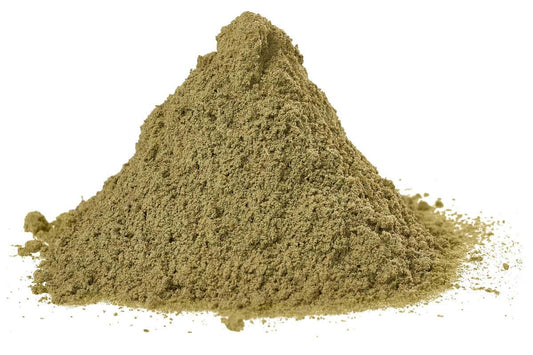
Kratom (Mitragyna speciosa) is a tropical evergreen tree native to Southeast Asia that has gained significant scientific interest due to its complex alkaloid profile. At Mitra Science, we focus on understanding the botanical science behind kratom's unique properties, particularly how environmental factors like UV radiation influence alkaloid production. This fascinating tree, belonging to the Rubiaceae family (same as coffee), has evolved complex biochemical pathways that respond dynamically to environmental stimuli, making it an excellent subject for phytochemical research.The biosynthesis of alkaloids in kratom is a sophisticated biochemical process that responds to various environmental stimuli. UV radiation, in particular, plays a crucial role in this process, affecting both the quantity and quality of alkaloids produced. This relationship between light exposure and alkaloid production represents an important area of botanical research with implications for cultivation practices. The plant's ability to modulate its alkaloid production in response to UV radiation demonstrates an evolutionary adaptation that likely serves protective functions while creating the diverse phytochemical profile that makes kratom scientifically interesting.


1. The Science of UV Radiation and Plant Metabolism
UV radiation is a form of electromagnetic radiation with wavelengths shorter than visible light. It is typically categorized into three types: UV-A (315-400 nm), UV-B (280-315 nm), and UV-C (100-280 nm). Of these, UV-A and UV-B reach the Earth's surface and play significant roles in plant physiology and metabolism. UV-C, the most energetic and potentially damaging form, is largely absorbed by the ozone layer, though some artificial UV-C sources are used in controlled environments for research purposes.Plants have evolved various mechanisms to respond to UV radiation. These responses include changes in gene expression, production of protective compounds, and alterations in growth patterns. For many plants, including kratom, UV exposure triggers the production of secondary metabolites as a protective response. These secondary metabolites include flavonoids, phenolic compounds, and in the case of kratom, indole alkaloids like mitragynine. The plant's photoreceptors, including specialized proteins sensitive to different wavelengths of light, play crucial roles in detecting UV radiation and initiating these protective biochemical cascades.
2. Primary Alkaloids in Kratom and Their Biosynthetic Pathways
Kratom contains over 25 different alkaloids, with mitragynine being the most abundant, typically comprising up to 66% of the total alkaloid content. Other significant alkaloids include 7-hydroxymitragynine, speciogynine, paynantheine, and speciociliatine. These compounds belong to the monoterpenoid indole alkaloid class and share structural similarities with yohimbine alkaloids found in other plant species. The diversity of these alkaloids contributes to the complex chemical profile of kratom and explains the varying compositions observed with different kratom varieties.The biosynthesis of these alkaloids follows complex pathways that begin with amino acids like tryptophan and tyrosine. These pathways involve multiple enzymatic reactions that are influenced by various environmental factors, including UV radiation. The biosynthetic pathway for mitragynine, for instance, begins with the amino acid tryptophan, which is converted to tryptamine and then undergoes a series of enzymatic modifications involving strictosidine synthase and other enzymes. The pathway continues through several intermediate compounds before finally yielding mitragynine and related alkaloids. UV radiation can influence the expression of genes encoding these enzymes, thereby affecting the rate and efficiency of alkaloid production.

3. UV-Induced Stress Response and Alkaloid Production
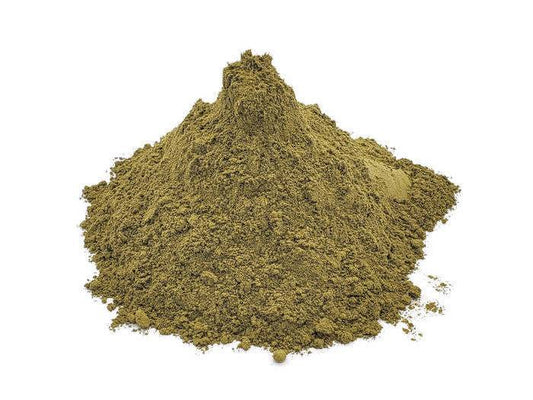
Plants respond to UV radiation as a form of environmental stress. This stress response often includes increased production of secondary metabolites, including alkaloids, as a protective mechanism. In kratom, UV exposure has been observed to stimulate alkaloid biosynthesis through several pathways:1. Activation of genes involved in alkaloid biosynthesis - UV radiation can trigger the expression of genes encoding key enzymes in the alkaloid biosynthetic pathway, such as tryptophan decarboxylase, strictosidine synthase, and various cytochrome P450 enzymes. This genetic activation leads to increased enzyme production and enhanced alkaloid synthesis.
2. Increased activity of key enzymes in alkaloid production pathways - Beyond gene expression, UV radiation can also directly influence the activity of existing enzymes, potentially through post-translational modifications or by affecting cellular conditions that optimize enzyme function. This enhanced enzymatic activity accelerates the conversion of precursor molecules to alkaloids.
3. Enhanced production of precursor molecules - UV stress can redirect metabolic resources toward the production of alkaloid precursors, including amino acids like tryptophan and intermediate compounds in the shikimate and mevalonate pathways. This increased availability of building blocks supports higher rates of alkaloid synthesis.
4. Alterations in membrane permeability affecting alkaloid transport and storage - UV radiation can modify cell membrane structures, potentially facilitating the transport of alkaloids between cellular compartments and enhancing their accumulation in specialized storage tissues, such as leaf epidermal cells and vacuoles.

4. Varietal Differences in UV Response Among Kratom Strains
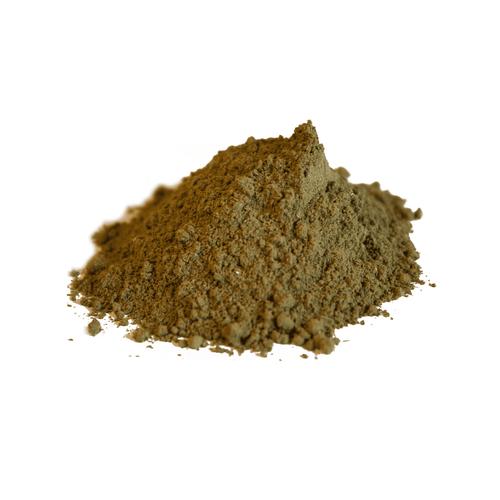
Different kratom varieties show varying responses to UV radiation, resulting in distinct alkaloid profiles. These differences are influenced by genetic factors and evolutionary adaptations to the plant's native environment. The genetic diversity among kratom populations has led to the development of various chemotypes - plants with distinct chemical compositions despite similar appearances - that respond differently to environmental stimuli including UV radiation.For example, kratom varieties that naturally grow in more exposed locations may have developed enhanced mechanisms for responding to UV radiation, potentially resulting in higher alkaloid production under UV stress. Conversely, varieties that evolved in more shaded environments may show different responses. These genetic adaptations can include variations in the efficiency of UV-sensing mechanisms, differences in the regulation of alkaloid biosynthetic pathways, and variations in the plant's ability to repair UV-induced cellular damage. Some varieties may produce higher levels of specific alkaloids as a protective response, while others might prioritize different protective compounds like flavonoids or antioxidants.

5. UV-B Radiation and Its Specific Effects on Mitragynine Synthesis
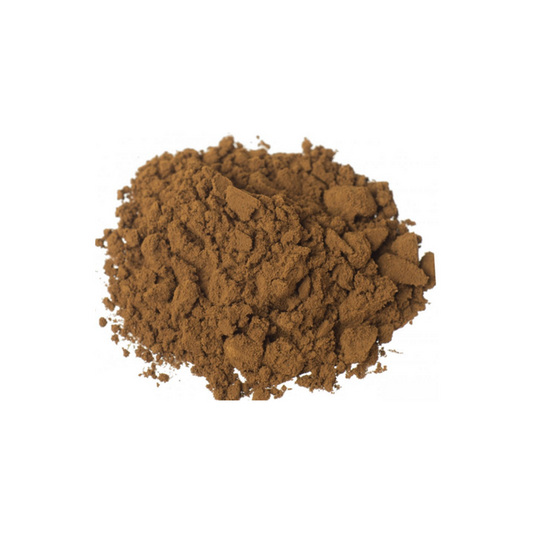
UV-B radiation (280-315 nm) has particularly significant effects on plant secondary metabolism. In kratom, UV-B exposure has been associated with specific changes in mitragynine synthesis. This wavelength range is especially relevant because it has sufficient energy to cause cellular damage while still penetrating plant tissues, making it a powerful environmental signal that triggers protective responses. The plant's ability to detect and respond to UV-B radiation involves specialized photoreceptors and signaling pathways that ultimately influence alkaloid biosynthesis.The specific effects of UV-B radiation on mitragynine synthesis include:
1. Increased expression of genes encoding key enzymes in the mitragynine biosynthetic pathway - UV-B radiation has been shown to upregulate genes involved in tryptophan metabolism and the early steps of indole alkaloid biosynthesis. This includes enzymes like tryptophan decarboxylase, strictosidine synthase, and various cytochrome P450 enzymes that catalyze critical steps in the pathway leading to mitragynine production.
2. Enhanced production of precursor molecules - UV-B exposure stimulates the shikimate pathway, which produces aromatic amino acids including tryptophan, a crucial precursor for mitragynine synthesis. This increased availability of precursors supports higher rates of alkaloid production as part of the plant's stress response.
3. Alterations in the ratio of mitragynine to other alkaloids - Interestingly, UV-B radiation doesn't simply increase all alkaloid production uniformly. Research suggests it can selectively enhance the production of certain alkaloids over others, potentially altering the ratio of mitragynine to other compounds like 7-hydroxymitragynine, paynantheine, and speciociliatine.
4. Changes in the cellular localization of alkaloid production - UV-B radiation may influence where within the plant cell alkaloid synthesis occurs, potentially shifting production to specific organelles or tissues where it can provide maximum protective benefit against radiation damage.

6. Seasonal Variations in UV Exposure and Alkaloid Content
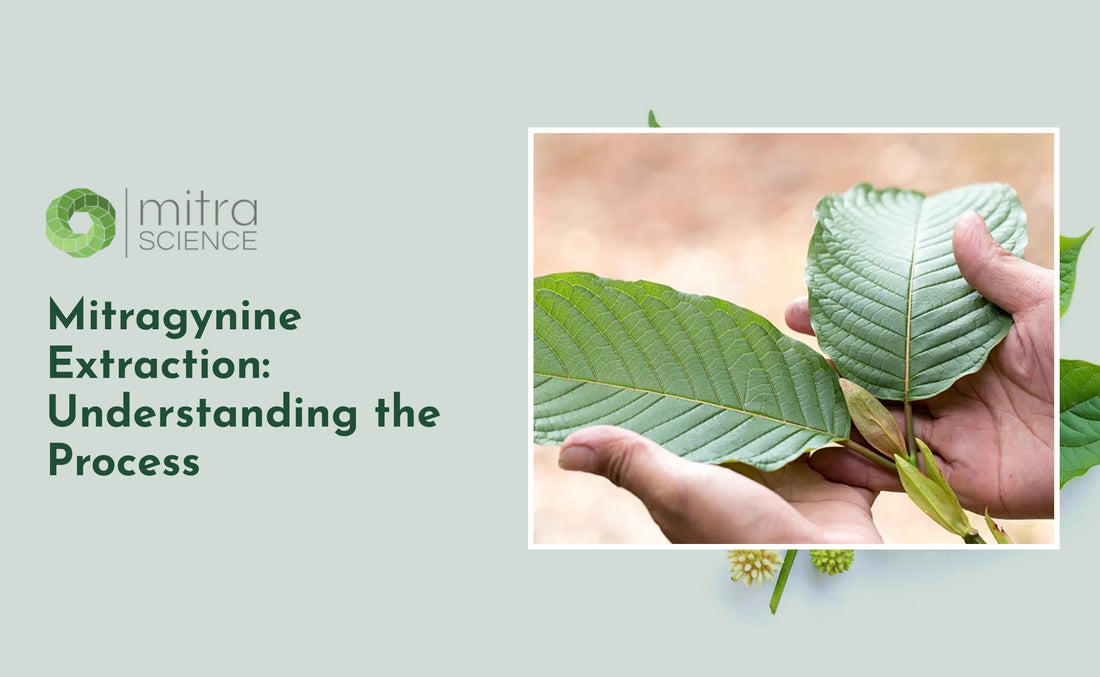
Seasonal changes in UV radiation intensity can significantly impact alkaloid production in kratom. These seasonal variations create natural fluctuations in alkaloid content and composition that may contribute to the diversity of kratom products. In tropical regions where kratom naturally grows, even small seasonal changes in solar angle, cloud cover, and atmospheric conditions can alter the intensity and spectrum of UV radiation reaching the plants. These subtle environmental shifts can trigger significant changes in the plant's secondary metabolism.In tropical regions where kratom naturally grows, seasonal changes in rainfall, temperature, and daylight hours all influence UV exposure. These environmental factors work together to create the unique alkaloid profiles associated with different harvest seasons. For instance, the dry season typically features clearer skies and higher UV intensity, potentially stimulating increased alkaloid production as a protective response. Conversely, the rainy season's cloud cover may reduce UV exposure, resulting in different alkaloid profiles. Additionally, seasonal variations in temperature and water availability interact with UV exposure to further modulate alkaloid biosynthesis through complex environmental signaling networks within the plant.


7. UV Protection Mechanisms in Kratom Leaves
Kratom leaves have developed various mechanisms to protect themselves from excessive UV radiation. These protective strategies often involve the production of secondary metabolites, including alkaloids, which can absorb UV radiation and prevent cellular damage. The plant's ability to synthesize these protective compounds represents an evolutionary adaptation to its native tropical environment where UV exposure can be intense, particularly at higher elevations or in clearings within the forest canopy.Some key UV protection mechanisms in kratom include:
1. Accumulation of UV-absorbing compounds in leaf epidermal layers - Kratom leaves concentrate certain alkaloids and other phenolic compounds in the upper epidermal layers where they can effectively absorb harmful UV radiation before it penetrates to more sensitive photosynthetic tissues. This strategic localization maximizes the protective effect while minimizing the metabolic cost of producing these compounds.
2. Increased thickness of leaf cuticle - Under high UV conditions, kratom plants may develop thicker cuticles with additional waxes that reflect and scatter UV radiation. This physical barrier provides passive protection that complements the chemical defenses offered by alkaloids and other secondary metabolites.
3. Changes in leaf orientation to minimize UV exposure - Kratom leaves can adjust their position throughout the day to reduce direct exposure to intense midday UV radiation. This phototropic response helps balance the need for light capture for photosynthesis with protection against excessive UV damage.
4. Production of antioxidant compounds to counteract UV-induced oxidative stress - UV radiation generates reactive oxygen species that can damage cellular components. Kratom produces various antioxidant compounds, including certain alkaloids, that can neutralize these harmful molecules and prevent oxidative damage to cellular structures.


8. Cultivation Practices and UV Management for Optimal Alkaloid Production
Understanding the relationship between UV radiation and alkaloid biosynthesis has important implications for kratom cultivation. By managing UV exposure, cultivators can potentially influence the alkaloid profile of the resulting plants. This knowledge allows for more targeted cultivation practices aimed at producing kratom with specific alkaloid compositions suited for particular applications or preferences. The science of UV management represents a sophisticated approach to kratom cultivation that goes beyond traditional growing methods.Some cultivation strategies related to UV management include:
1. Strategic planting to control sun exposure - Cultivators can position kratom plants to receive optimal levels of UV radiation based on the desired alkaloid profile. This might involve partial shade for some varieties or more direct sunlight for others, depending on the specific alkaloid composition sought. The strategic use of companion plants or artificial structures to create light gradients can further refine this approach.
2. Use of shade cloths or other materials to filter UV radiation - Specialized agricultural fabrics can selectively filter different wavelengths of light, allowing cultivators to precisely control the UV spectrum reaching the plants. Some materials might block harmful UV-C while allowing beneficial UV-A and UV-B to reach the plants in controlled amounts. This targeted approach can optimize alkaloid production while preventing excessive UV stress.
3. Timed harvesting based on seasonal UV intensity - By understanding the seasonal patterns of UV radiation in their specific growing region, cultivators can time harvests to coincide with periods of optimal alkaloid production. This might mean harvesting during periods of moderate UV exposure that stimulate alkaloid production without causing excessive stress to the plants.
4. Selection of growing locations with optimal natural UV levels - The altitude, latitude, and local atmospheric conditions of a growing site all influence the natural UV levels. Cultivators can select locations that naturally provide the ideal UV environment for their desired alkaloid profile, reducing the need for artificial management techniques.
9. UV Radiation's Role in Creating Different Kratom "Strains"
The term "strain" in kratom typically refers to products with different alkaloid profiles and characteristics. While some of these differences are due to genetic factors, environmental conditions, including UV exposure, play a significant role in creating these variations. The interaction between genetics and environment (including UV radiation) creates the diverse range of kratom products available today, each with its own unique alkaloid fingerprint and associated characteristics. This complex interplay explains why kratom from the same genetic stock can develop different characteristics when grown under varying conditions.Different drying and processing methods, which often involve varying levels of UV exposure, can further modify the alkaloid profile of the final product. For example, some traditional processing methods involve drying leaves in direct sunlight, which exposes them to significant UV radiation. This post-harvest UV exposure can trigger chemical transformations in the leaf material, potentially converting some alkaloids to others or altering their relative concentrations. Other processing methods that limit UV exposure, such as indoor drying or fermentation processes, produce different alkaloid profiles. These traditional knowledge systems developed by indigenous kratom cultivators over generations reflect a sophisticated understanding of how environmental factors, including UV radiation, can be manipulated to create desired product characteristics.


10. Storage Considerations: Protecting Alkaloids from UV Degradation
Once harvested and processed, kratom products remain sensitive to UV radiation, which can degrade alkaloids and reduce product quality. The photosensitive nature of many alkaloids means that improper storage can lead to significant changes in the product's chemical composition over time. This degradation process can involve complex photochemical reactions that convert active alkaloids into inactive breakdown products or transform them into different compounds with altered properties. Understanding these degradation pathways is essential for maintaining product consistency throughout its shelf life.Key storage considerations to protect against UV degradation include:
1. Use of opaque or amber containers to block UV light - Transparent containers allow UV radiation to penetrate and interact with alkaloids, potentially causing degradation. Opaque containers completely block light, while amber glass specifically filters out the most damaging UV wavelengths while allowing visible light to pass through. This selective filtering makes amber glass particularly effective for protecting photosensitive compounds like kratom alkaloids.
2. Storage in cool, dark locations - Beyond container selection, the storage environment itself should minimize UV exposure. Cool temperatures also slow down chemical degradation reactions that might be accelerated by both heat and UV radiation, providing dual protection for sensitive alkaloids. Temperature-controlled environments with minimal light exposure represent optimal storage conditions for preserving alkaloid stability.
3. Minimizing exposure to direct sunlight - Even brief exposure to direct sunlight can provide significant UV radiation that may initiate degradation processes. This is particularly important during handling and processing stages when the product might temporarily be exposed to environmental conditions. Implementing workflows that minimize this exposure can help maintain product integrity.
4. Proper packaging for shipping and distribution - The journey from production facility to end user presents multiple opportunities for UV exposure. Multi-layer packaging that includes UV-protective materials can provide additional protection during transportation and distribution, ensuring the product reaches consumers with its alkaloid profile intact.
5. Regular quality testing to monitor alkaloid stability - Even with optimal storage conditions, some degradation may occur over time. Implementing a regular testing schedule can help identify any changes in alkaloid content or composition, allowing for adjustments to storage protocols or product dating to ensure consistent quality.


11. Research Methods for Studying UV Effects on Alkaloid Biosynthesis
Scientific research on the relationship between UV radiation and alkaloid biosynthesis in kratom employs various methodologies, each providing unique insights into this complex relationship. These complementary approaches allow researchers to develop a comprehensive understanding of how UV radiation influences alkaloid production at multiple levels, from molecular mechanisms to whole-plant responses and ecological adaptations. The integration of these diverse methodologies represents the cutting edge of botanical research in this field.1. Controlled growth chamber experiments with variable UV exposure - These laboratory studies allow precise manipulation of UV intensity, spectrum, and duration while controlling other environmental variables. Using specialized growth chambers equipped with UV lamps that can emit specific wavelengths, researchers can isolate the effects of different UV bands (UV-A, UV-B, UV-C) on alkaloid production. These controlled experiments are essential for establishing causal relationships between specific UV parameters and changes in alkaloid biosynthesis.
2. Field studies comparing plants grown under different natural UV conditions - Complementing laboratory research, field studies examine how kratom responds to natural variations in UV radiation across different locations, elevations, or seasonal conditions. These studies provide ecological context and validate laboratory findings under real-world conditions where multiple environmental factors interact simultaneously.
3. Molecular analysis of gene expression related to alkaloid biosynthesis - Techniques like RNA sequencing and quantitative PCR allow researchers to measure how UV exposure affects the expression of genes involved in alkaloid production pathways. By identifying which genes are upregulated or downregulated in response to UV radiation, scientists can elucidate the molecular mechanisms underlying the plant's response.
4. Chemical analysis of alkaloid content using techniques like HPLC and mass spectrometry - High-performance liquid chromatography (HPLC), coupled with mass spectrometry and other detection methods, enables precise quantification of individual alkaloids within plant tissues. These analytical techniques can detect subtle changes in alkaloid composition and concentration resulting from different UV exposure conditions, providing detailed chemical profiles that can be correlated with environmental variables.
5. Transcriptomic and proteomic studies examining cellular responses to UV stress - These advanced "omics" approaches provide a comprehensive view of how UV radiation affects the entire complement of gene transcripts (transcriptomics) or proteins (proteomics) in kratom cells. Such holistic analyses can reveal previously unknown components of the UV response pathway and identify novel genes or proteins involved in alkaloid biosynthesis.
12. Future Directions in UV and Alkaloid Research for Kratom
The study of UV radiation's effects on alkaloid biosynthesis in kratom remains an evolving field with many promising directions for future research. As our understanding of the molecular and biochemical mechanisms involved continues to advance, new opportunities emerge for applying this knowledge to cultivation, processing, and product development. The integration of traditional knowledge with modern scientific approaches offers particularly exciting possibilities for innovation in this field.1. Development of cultivation protocols that optimize UV exposure for desired alkaloid profiles - Future research could lead to precision cultivation techniques that carefully manage UV exposure throughout the growing cycle to produce kratom with specific alkaloid compositions tailored for particular applications. This might involve sophisticated light management systems that adjust UV exposure based on the plant's growth stage and desired end product characteristics.
2. Investigation of genetic factors that influence UV response in different kratom varieties - Advances in genomics and molecular breeding could help identify the genetic basis for variations in UV response among kratom populations. This knowledge could potentially lead to the development of new varieties with enhanced or specialized alkaloid production characteristics under specific UV conditions. Marker-assisted selection or other advanced breeding techniques might accelerate this process.
3. Exploration of how climate change and changing UV patterns may affect kratom alkaloid production - As global climate patterns shift, including changes in UV radiation reaching the Earth's surface, understanding how these changes might impact kratom's natural alkaloid production becomes increasingly important. Predictive models combining climate data with knowledge of kratom's UV response could help anticipate and adapt to these changes.
4. Research into UV-protective compounds in kratom that may have applications beyond the plant itself - Some of the compounds kratom produces to protect against UV damage may have potential applications in research areas such as natural product development or biotechnology. Investigating these compounds could lead to novel bioactive molecules with diverse applications.
5. Development of improved analytical methods for characterizing alkaloid profiles in response to UV - Advances in analytical chemistry and instrumentation could enable more detailed and comprehensive analysis of how UV radiation affects the full spectrum of kratom alkaloids, including minor compounds that current methods might miss. These improved techniques could reveal previously unknown aspects of kratom's phytochemical response to UV stress.

