


Kratom alkaloids are sensitive to heat. This article explores how temperature affects these compounds, which is important for botanical researchers and product manufacturers. We'll look at what makes kratom alkaloids stable or unstable when exposed to heat.
Key Factors in Kratom Alkaloid Thermal Stability
- Temperature sensitivity
- pH level influence
- Structural variations
- Moisture impact
- Extraction method effects
- Strain-specific differences
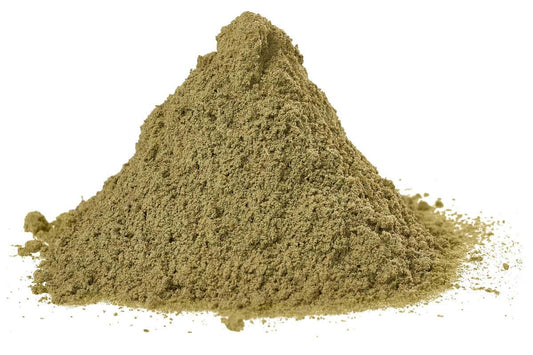

Check out our bulk kratom wholesale options for research. We offer high-quality kratom products that meet scientific research standards.
1. Temperature's Role in Alkaloid Stability
Temperature greatly affects kratom alkaloids. They're most stable around 70°F. When it gets hotter than 104°F (40°C), they break down faster. Even short exposure to high heat can change the alkaloid content. This is why it's important to control temperature when handling kratom.
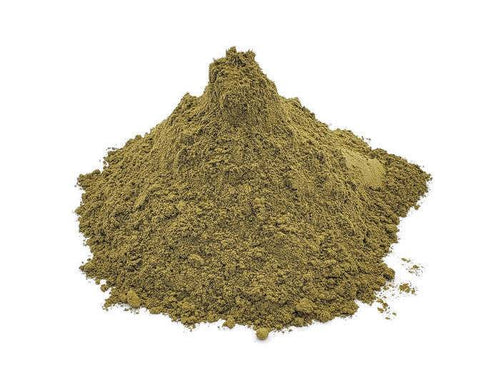
Our crushed kratom leaves are carefully processed to keep alkaloids stable. We use special temperature monitoring during harvesting, drying, and packaging.

2. pH Sensitivity and Alkaloid Stability
The pH level affects how stable kratom alkaloids are. They don't do well in acidic conditions. We've found that alkaloids are most stable in slightly alkaline conditions, between pH 7.5 and 8.5. This is important for making and storing kratom products properly.
Our kratom extracts are made to keep the right pH levels. This helps preserve the natural alkaloids.

3. Structural Differences Among Kratom Alkaloids
Different kratom alkaloids handle heat differently because of their unique structures. Some are more heat-sensitive than others. For example, mitragynine is usually more stable in heat than 7-hydroxymitragynine. This is because of small differences in their chemical makeup.
For advanced research, try our isolated mitraphylline alkaloid. It lets you study individual alkaloid properties closely.
4. Studying Thermal Stability: Our Methods
We use advanced tools like liquid chromatography-mass spectrometry to study how heat affects kratom alkaloids. We test alkaloids at temperatures from 39°F to 176°F (4°C to 80°C). We heat kratom samples for different times and then analyze them to see how the alkaloids change. This helps us understand how stable each alkaloid is under different conditions.
We also test our Mitragyna Javanica collection this way. It gives us useful comparison data for kratom research.

5. Storage and Handling: What You Need to Know
Storing kratom correctly is crucial. Cool, dry places are best. Avoid sunlight and high temperatures. Use airtight, opaque containers. Keep the temperature steady, below 68°F (20°C) if possible, and humidity under 60%. These conditions help keep the alkaloids stable for longer.
Our Yellow Maeng Da Kratom is stored in climate-controlled facilities. We regularly test it to make sure it stays stable over time.
6. Thermal Stability in Product Creation
When making kratom products, we have to think about how heat affects the alkaloids. We use low-temperature methods to extract alkaloids without damaging them. We've also found natural ways to make the alkaloids more stable without changing them. Our packaging is designed to protect against temperature changes during shipping and storage.
Our kratom shots are made with thermal stability in mind. We test them carefully to make sure the alkaloids stay stable in different storage conditions.

7. Thermal Stability Across Kratom Strains
Different kratom strains handle heat differently. This is because they have different mixes of alkaloids. Strains with more mitragynine tend to be more stable in heat. This affects how long products last and how they should be stored.
You can compare the stability of our White Bali and Red Horn kratom. Our reports show how each strain handles heat differently.

8. The Role of Moisture in Thermal Stability
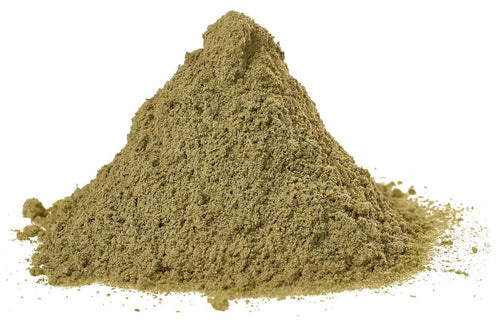
Moisture affects how kratom alkaloids handle heat. Too much moisture makes alkaloids break down faster, even at normal temperatures. Kratom with less than 5% moisture is much more stable than kratom with over 10% moisture. That's why proper drying and storage are so important.
Learn more about moisture and kratom in our blog post on rehydrating dried kratom leaves. It explains how to balance moisture and alkaloid preservation.

9. Thermal Stability and Extraction Methods
How we extract kratom alkaloids affects their stability. We use low-temperature methods that don't damage the alkaloids. We've also found ways to extract more alkaloids without using high heat, like using sound waves. These methods help keep the alkaloids stable and potent.
Our liquid kratom is made using these stable extraction methods. This maintains alkaloid integrity and concentration while ensuring product stability.

10. Long-term Stability Studies
We study how kratom alkaloids change over long periods, from 6 months to 3 years. We control temperature and humidity and check the alkaloids regularly. This helps us know how long kratom products last and how to store them best. We can predict shelf life and spot signs of quality loss early.
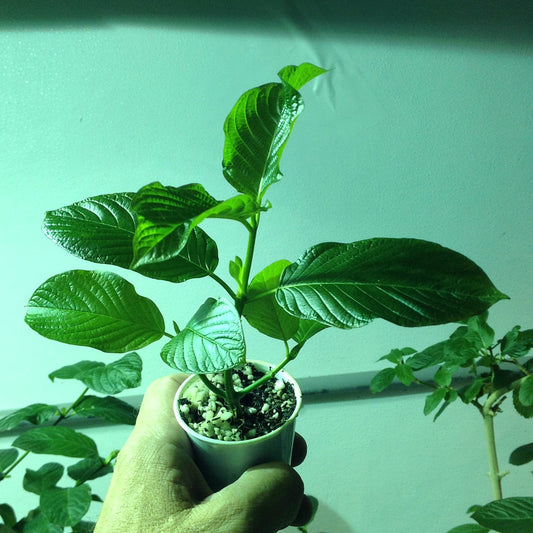
We even grow live kratom trees to study alkaloid stability from the living plant to the final product.
11. Thermal Stability and Quality Control
We use our knowledge of thermal stability to ensure product quality. We test kratom under high heat for short times to see how stable it is. We use special tools to quickly check alkaloid levels. We also use thermal cameras to make sure our storage areas stay at the right temperature.
Our Green Horn Kratom goes through strict quality checks. We test each batch for thermal stability before selling it.

12. Future Research on Thermal Stability
We're always learning more about kratom alkaloid stability. We're looking for natural ways to make alkaloids more stable without changing them. We're also studying how climate change might affect kratom growing and alkaloid stability. Our goal is to keep improving kratom quality and stability.
Learn about new kratom research in our blog post on cross-cultivation between Mitragyna species. This research focuses on botanical improvements and alkaloid stability characteristics.

Conclusion
Understanding how heat affects kratom alkaloids is crucial for researchers and manufacturers. Proper storage and handling are key to keeping kratom stable. Our ongoing research helps improve kratom processing, storage, and product development. We aim to make kratom products better and more consistent for scientific applications. Stay informed about the latest kratom stability research and use best practices when handling kratom.
Check out our bulk kratom products for your research. Our products are backed by extensive stability research, ensuring high quality for scientific studies.