



The story of kratom spans centuries and continents, weaving through the cultural fabric of Southeast Asian societies before emerging as a globally recognized botanical product. This remarkable journey from traditional village use to international commerce reveals fascinating insights about cultural knowledge transfer, globalization of botanical practices, and the evolution of consumer markets around ethnobotanical products.
Ancient Roots in Southeast Asian Traditions
Mitragyna speciosa has grown in the tropical rainforests of Southeast Asia for millennia. Indigenous communities in Thailand, Malaysia, Indonesia, Myanmar, and Papua New Guinea developed intimate relationships with this member of the coffee family, incorporating it into their traditional practices and daily lives.

Historical accounts and ethnobotanical research document kratom use among agricultural workers, fishermen, and laborers who relied on the leaves during physically demanding work. The practice of chewing fresh leaves or brewing them into tea represented a cultural tradition passed through generations, embedded in the social and economic life of rural communities.
Traditional Preparation Methods
Traditional kratom consumption involved simple, time-honored preparation methods. Fresh leaves were often chewed directly, with users typically consuming 10-60 leaves depending on individual needs and leaf potency. Workers would carry fresh leaves to fields or work sites, chewing them throughout the day.
When fresh leaves weren't available, traditional users prepared kratom tea by boiling dried leaves. This method, still practiced today, extracts the alkaloids into a liquid that could be consumed immediately or stored for later use. Village elders often prepared communal kratom tea, creating social rituals around its consumption.
Cultural Significance in Indigenous Communities
Beyond practical applications, kratom held cultural significance in traditional societies. The knowledge of which trees produced the most potent leaves, optimal harvesting times, and proper preparation methods represented valuable cultural information passed from elders to younger generations.

In some communities, particularly in southern Thailand and northern Malaysia, kratom trees were cultivated near homes, providing a readily available resource. The trees' role extended beyond their leaves—they provided shade, marked property boundaries, and represented family heritage as trees were passed through generations.
Regional Variations in Traditional Use
Different regions developed distinct kratom traditions. Thai users often distinguished between different leaf types based on vein color and tree characteristics, developing the nomenclature that evolved into modern strain names. Malaysian communities had their own terminology and preferences, while Indonesian users across various islands maintained regional traditions.
These regional differences in traditional use ultimately influenced the modern kratom market's strain diversity. What we now recognize as Red Maeng Da, Green Bali, or White Bali kratom traces back to traditional knowledge from specific regions.
Colonial Encounters and Early Documentation
Western awareness of kratom began during the colonial period when European botanists and administrators encountered the plant in Southeast Asia. Dutch botanist Pieter Korthals first formally described Mitragyna speciosa in 1839, providing the scientific name still used today.
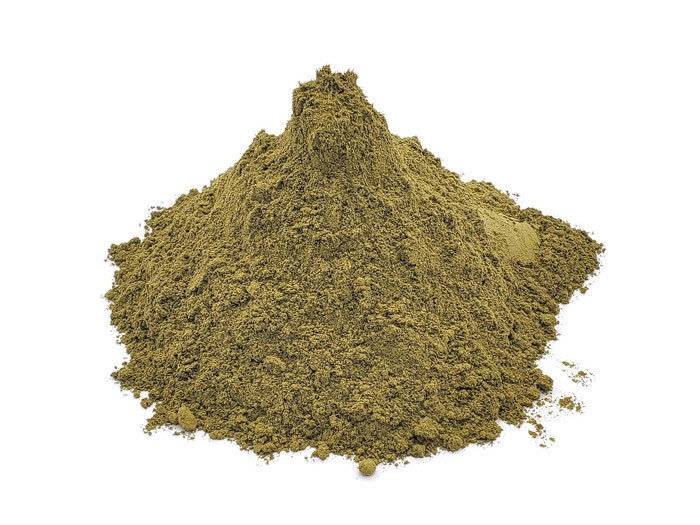
Early colonial documents referenced kratom use among local populations, though often through the lens of colonial attitudes toward indigenous practices. These historical records, while sometimes biased, provide valuable documentation of traditional kratom use patterns and cultural contexts.
Early Pharmacological Interest
By the early 20th century, researchers began investigating kratom's chemical composition. Scientists isolated mitragynine in 1921, marking the beginning of modern pharmacological interest in the plant. This scientific attention represented the first bridge between traditional knowledge and Western analytical approaches.
Post-Colonial Evolution and Regulatory Responses
As Southeast Asian nations gained independence, their relationships with kratom evolved. Some countries maintained traditional acceptance, while others implemented regulations restricting or prohibiting use. Thailand's 1943 Kratom Act, for instance, made kratom illegal, though traditional use continued in rural areas.
These varying regulatory approaches created complex legal landscapes that continue influencing the modern global kratom trade. Understanding this history helps contextualize current debates about kratom regulation in various countries.
The Western Discovery and Early Import Period
Kratom's introduction to Western markets occurred gradually through multiple channels. Ethnobotanists studying traditional plant use brought kratom to academic attention. Southeast Asian immigrants maintained cultural connections to kratom use. Adventure travelers encountered kratom during visits to traditional communities.
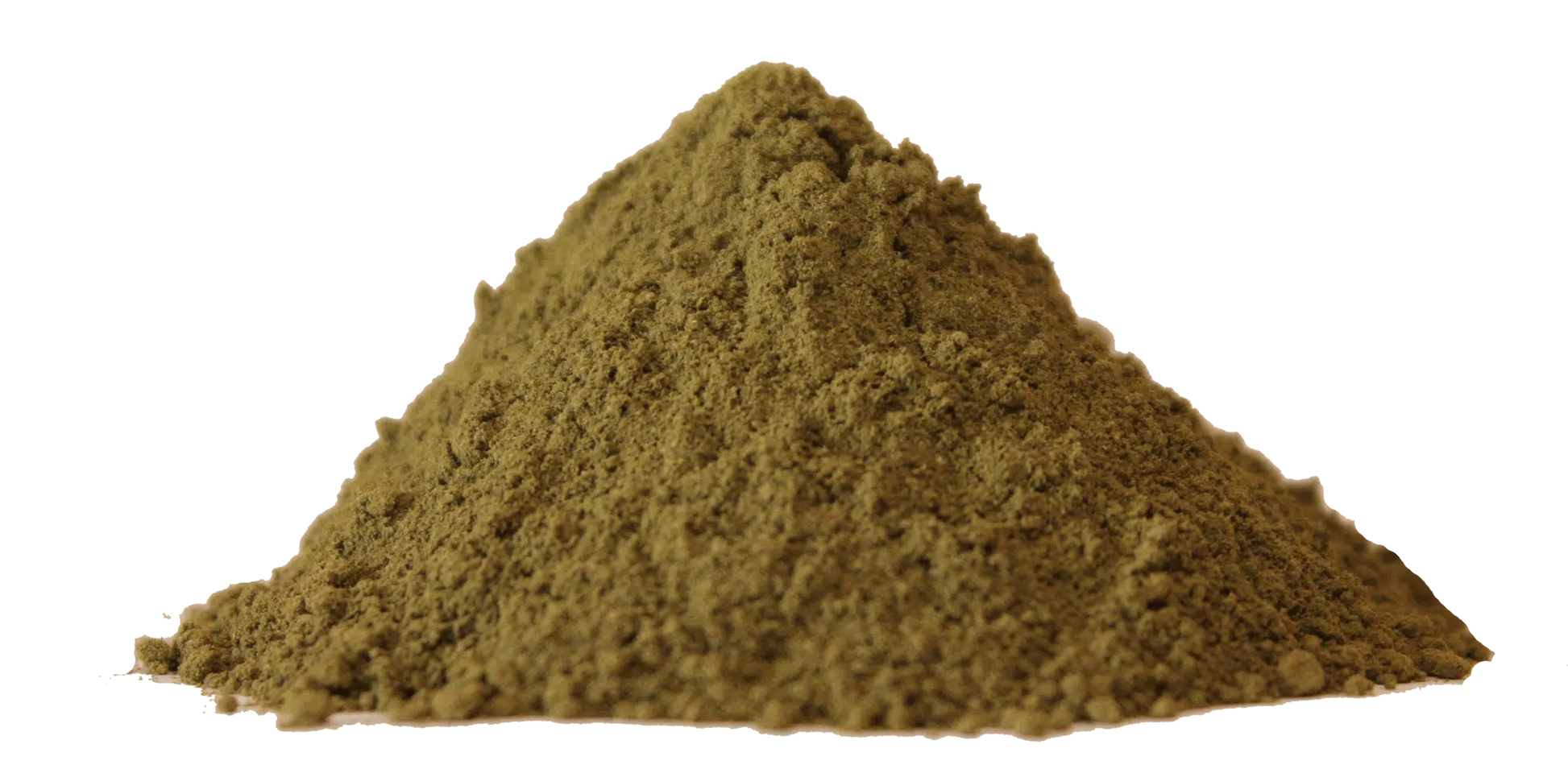
By the early 2000s, kratom began appearing in Western botanical markets, typically sold in small quantities through ethnobotanical vendors or specialty herb shops. These early importers often had anthropological or ethnobotanical interests, viewing kratom as part of the broader world of traditional plant knowledge.
Internet Commerce and Market Expansion
The internet revolutionized kratom's global spread. Online vendors could connect directly with suppliers in Southeast Asia and reach customers worldwide. Discussion forums enabled knowledge exchange about kratom strains, effects, and sourcing. This digital infrastructure transformed kratom from an obscure ethnobotanical curiosity to an internationally traded commodity.
E-commerce platforms made it possible for consumers anywhere to access kratom products, dramatically expanding the market. Companies like Mitra Science, which now ships globally from locations in "US, EU, Indonesia," exemplify this international market structure.
Development of Commercial Strain Classification
As the Western kratom market grew, suppliers developed standardized strain classifications to help consumers navigate product options. The vein color system (red, green, white) emerged as a primary classification method, though its relationship to traditional knowledge varies.

Geographic origin markers became important product identifiers. Bali, Borneo, Maeng Da, Malay, and other regional designations connected modern commercial products to traditional growing regions, even when the actual geographic origins became more complex through modern supply chains.
Commercialization of Traditional Knowledge
The transformation of traditional kratom knowledge into commercial product categories raises interesting questions about cultural appropriation, intellectual property, and benefit sharing. While kratom commerce creates economic opportunities in growing regions, ensuring fair compensation for indigenous knowledge holders remains an ongoing challenge.
Ethical suppliers work directly with traditional communities, supporting sustainable cultivation and fair labor practices. Features like "Ethically Sourced" on product descriptions signal efforts to respect traditional knowledge while building modern commercial frameworks.
Evolution of Processing and Product Forms
Traditional fresh leaf consumption evolved into diverse product forms catering to global markets. Powder became the dominant format, offering stability, standardization, and convenience that fresh leaves couldn't provide for international commerce.

Processing innovations created products unknown in traditional use. Extracts concentrating alkaloids beyond natural leaf levels, capsules providing precise dosing, and liquid shots offering convenience represent modern adaptations of traditional botanical knowledge. Products like 50% Mitragynine extracts or ready-to-drink kratom shots demonstrate how far commercial products have evolved from traditional leaf use.
Quality Standards and Testing Protocols
Modern commercial kratom differs from traditional use through comprehensive quality control. Traditional users relied on experiential knowledge to judge leaf quality, while modern consumers expect laboratory testing verifying alkaloid content, purity, and safety.
The development of sophisticated testing methods using HPLC, GCMS, and other analytical techniques represents a dramatic departure from traditional quality assessment. Partnerships between kratom suppliers and certified laboratories, such as Mitra Science's work with ACS Laboratories, exemplify this modern quality assurance approach.
Global Market Segmentation
Today's global kratom market serves diverse consumer segments with different needs, preferences, and purchasing patterns. This segmentation reflects kratom's evolution from a single traditional use context to multiple modern market niches.

Retail Consumer Market
Individual consumers purchasing kratom for personal use represent a significant market segment. These buyers typically purchase in smaller quantities—from a few ounces to several kilograms. Retail markets prioritize packaging, branding, educational content, and customer service alongside product quality.
Wholesale and Manufacturing Markets
Commercial customers purchasing bulk kratom for manufacturing finished products operate on entirely different economics. Companies buying 25kg, 100kg, or 500kg quantities need consistent quality, reliable supply, comprehensive documentation, and competitive pricing.
This wholesale segment drives significant volume in the global kratom trade, connecting Southeast Asian suppliers with manufacturers worldwide who incorporate kratom into various product formats.
Research and Academic Markets
Universities and research institutions represent a specialized market segment requiring the highest quality standards and extensive documentation. Suppliers serving this market, like Mitra Science which specifically addresses "universities and research institutions," maintain rigorous testing protocols and comprehensive traceability systems.
Regulatory Landscapes Across Global Markets
Kratom's legal status varies dramatically across countries and even within nations, creating complex regulatory environments that shape global commerce. Some jurisdictions maintain complete prohibition, others allow unrestricted sale, and many implement varying degrees of regulation.

In the United States, kratom remains federally legal with state-level variations. Some states adopted the Kratom Consumer Protection Act (KCPA) framework, establishing manufacturing standards, testing requirements, and labeling regulations. Suppliers operating in KCPA states must maintain comprehensive compliance programs, influencing their operational structures and costs.
International Trade Considerations
Navigating international kratom commerce requires understanding import/export regulations, customs procedures, and documentation requirements across multiple jurisdictions. Suppliers shipping globally must maintain compliance with regulations in both origin and destination countries.
This regulatory complexity creates competitive advantages for established suppliers with expertise in international compliance and relationships with regulatory authorities. It also creates barriers to entry that protect quality-focused suppliers from less scrupulous competitors.
Cultural Adaptation and Education
Kratom's transition from traditional Southeast Asian use to global markets required extensive consumer education. Western consumers lacked the cultural context and experiential knowledge that traditional users possessed, creating demand for educational resources.

Reputable suppliers invested in educational content explaining strain differences, alkaloid profiles, quality indicators, and proper storage. Blog posts, FAQs, and customer service resources help bridge the knowledge gap between traditional cultural knowledge and modern consumer needs.
Sustainability and Future Directions
As global kratom demand grows, sustainability concerns gain prominence. Wild kratom harvesting cannot sustainably meet international market demand, driving expansion of cultivation practices. Balancing economic opportunity with environmental protection and traditional rights represents an ongoing challenge.
Some suppliers emphasize sustainable practices, working with indigenous communities to develop cultivation approaches that preserve traditional knowledge while meeting commercial needs. Features like "100% Vegan," "Non-GMO," and "Ethically Sourced" reflect these sustainability commitments.
The Role of Industry Standards
Industry organizations like the American Kratom Association work to establish standards, promote best practices, and advocate for sensible regulations. These efforts aim to professionalize the kratom industry while respecting traditional knowledge and supporting sustainable development in source regions.
The evolution toward standardized testing protocols, GMP manufacturing, and transparent supply chains represents the maturation of kratom from informal ethnobotanical trade to legitimate global commodity market.
Looking Forward
Kratom's journey from traditional Southeast Asian use to global consumer markets continues evolving. Ongoing research expands scientific understanding of alkaloid chemistry and properties. Regulatory frameworks develop in various jurisdictions. Supply chains become more sophisticated and transparent.
This evolution raises important questions about cultural knowledge ownership, sustainable resource management, and appropriate regulatory approaches. As the industry matures, finding balance between commercial development and respect for traditional knowledge remains crucial.
For consumers seeking kratom products that honor traditional heritage while meeting modern quality standards, working with suppliers that emphasize ethical sourcing, comprehensive testing, and transparent practices helps ensure that kratom's global journey benefits both consumers and the traditional communities where this remarkable botanical originated.