


This article is intended for informational and botanical research purposes only. It does not make any medical or therapeutic claims.
The intricate relationship between soil microorganisms and kratom alkaloid production represents one of nature's most fascinating biochemical partnerships. At Mitra Science, our understanding of these underground ecosystems drives our commitment to sourcing kratom from regions where soil biology creates optimal conditions for alkaloid synthesis.
The Hidden World Beneath Kratom Trees
Beneath every mature Mitragyna speciosa tree lies a complex network of microorganisms that fundamentally shapes the plant's chemical profile. This soil microbiome consists of bacteria, fungi, protozoa, and other microorganisms that form symbiotic relationships with kratom roots. These microscopic communities influence how nutrients are processed, how stress responses are triggered, and ultimately how alkaloids are produced and concentrated within the leaves.
The diversity of soil microorganisms varies dramatically across different kratom-growing regions. Indonesian soils, for instance, contain distinct bacterial communities compared to Malaysian or Thai growing areas. These regional differences in soil biology contribute to the unique alkaloid profiles we observe in different kratom varieties.
Mycorrhizal Networks and Alkaloid Production
Mycorrhizal fungi form perhaps the most crucial partnership with kratom root systems. These fungal networks extend far beyond individual tree root zones, creating communication highways that allow plants to share resources and chemical information. When kratom trees are connected through these fungal networks, they can coordinate their alkaloid production in response to environmental pressures.
Research into similar plant systems suggests that mycorrhizal associations can influence secondary metabolite production - the category that includes kratom's primary alkaloids. The fungal partners may signal the plant to increase or modify alkaloid synthesis based on soil conditions, nutrient availability, or environmental stressors detected across the network.
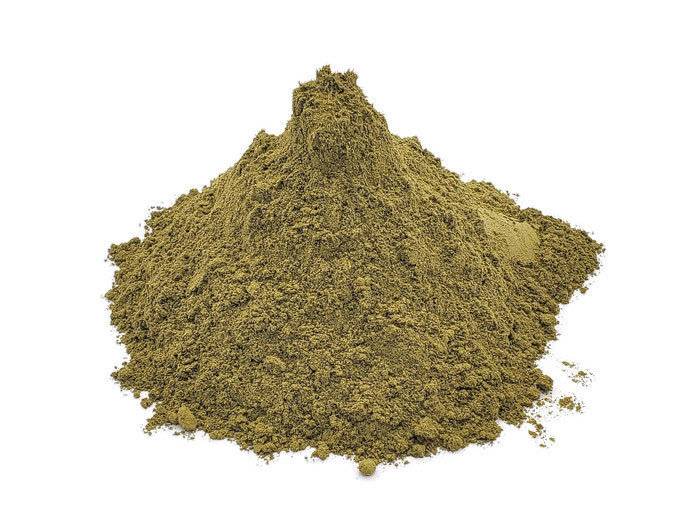
Our Red Maeng Da kratom wholesale comes from regions where these fungal networks have been undisturbed for generations, allowing for the complex soil relationships that contribute to consistent alkaloid development.
Bacterial Communities and Nutrient Cycling
Soil bacteria play equally important roles in kratom alkaloid development through their influence on nutrient cycling. Nitrogen-fixing bacteria convert atmospheric nitrogen into forms that kratom trees can utilize for amino acid synthesis - the building blocks of alkaloid compounds. Phosphorus-solubilizing bacteria make this essential element available for the energy-intensive processes involved in alkaloid production.
Different bacterial species create varying soil chemistry conditions. Some bacteria produce organic acids that alter soil pH, while others release enzymes that break down organic matter into simpler compounds. These changes in soil chemistry directly impact which nutrients are available to kratom trees and in what concentrations.
Seasonal Microbiome Fluctuations
Soil microbial communities undergo dramatic seasonal changes that correlate with variations in kratom alkaloid profiles throughout the year. During rainy seasons, bacterial populations surge due to increased moisture and organic matter decomposition. These population booms often coincide with periods of rapid alkaloid synthesis in kratom leaves.
Dry seasons create different microbial dynamics. Fungal populations may become more dominant as they're better adapted to lower moisture conditions. This shift in the microbial balance can trigger stress responses in kratom trees, potentially leading to increased concentration of certain alkaloids as part of the plant's adaptive mechanisms.
Our Green Maeng Da kratom wholesale is harvested with careful attention to these seasonal patterns, ensuring we capture leaves when soil microbiology creates optimal conditions for alkaloid development.
Soil pH and Microbial Alkaloid Influence
The pH level of soil significantly affects both microbial community composition and alkaloid biosynthesis pathways. Slightly acidic soils (pH 6.0-6.8) tend to support the most diverse microbial communities, which in turn create the most complex chemical environments for kratom trees. In these conditions, certain bacteria and fungi work together to create microenvironments with varying pH levels around individual root zones.
These pH microenvironments influence which enzymes remain active in alkaloid biosynthesis pathways. Some alkaloid-producing enzymes function optimally in more acidic conditions, while others prefer neutral pH. The microbial communities effectively create a range of chemical conditions that allow multiple alkaloid synthesis pathways to operate simultaneously.
Organic Matter Decomposition and Alkaloid Precursors
Soil microorganisms break down organic matter into smaller molecules that serve as precursors for alkaloid synthesis. Fallen leaves, dead root material, and other organic debris are processed by bacteria and fungi into amino acids, sugars, and other compounds that kratom trees can absorb and utilize in their metabolic processes.
The rate and pattern of organic matter decomposition varies based on the specific microbial species present. Some bacteria specialize in breaking down cellulose, while certain fungi excel at decomposing lignin. The balance between these different decomposition specialists affects which precursor compounds are most readily available to kratom trees at any given time.
Root Exudate Interactions
Kratom trees actively participate in soil microbiology through their root exudates - chemical compounds released from roots into the surrounding soil. These exudates serve multiple functions: they attract beneficial microorganisms, inhibit harmful bacteria and fungi, and provide carbon sources for microbial communities.
The composition of root exudates changes based on the tree's internal chemistry, including its alkaloid production status. Trees producing higher alkaloid concentrations often release different exudate profiles, which can attract specific microbial partners that further support alkaloid synthesis. This creates a positive feedback loop where alkaloid production and beneficial soil microbiology reinforce each other.
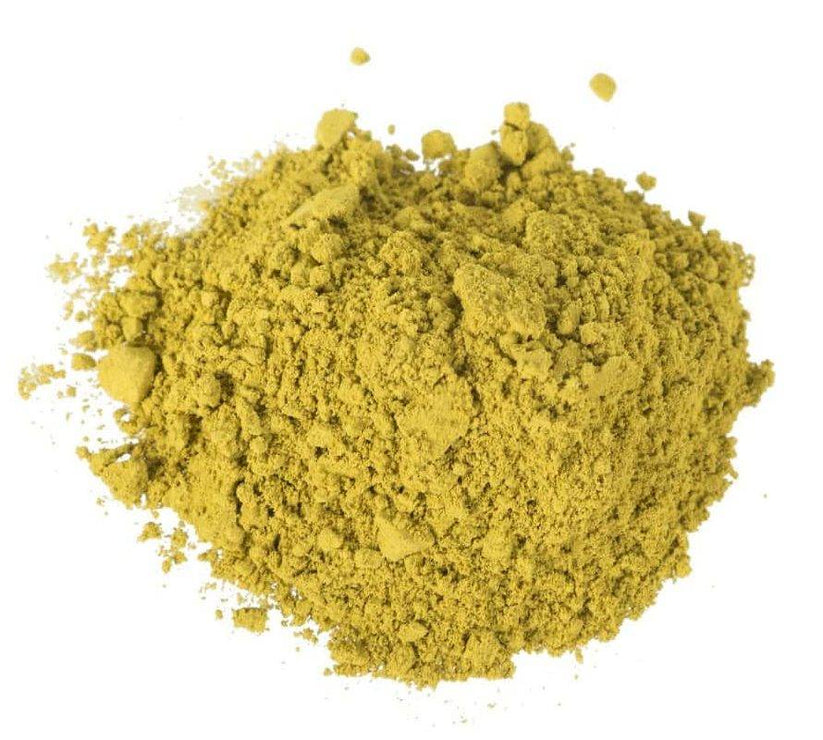
Our bulk kratom extract E2 represents material sourced from trees with well-established root-microbe partnerships that support consistent alkaloid development.
Regional Soil Microbiome Signatures
Different kratom-growing regions have developed unique soil microbiome signatures over thousands of years. These regional differences result from varying climate patterns, geological substrates, and historical vegetation communities. Each region's distinctive microbial profile contributes to the characteristic alkaloid signatures we observe in kratom from different origins.
Borneo soils, for example, contain microbial communities adapted to the island's unique geological history and climate patterns. These microorganisms have co-evolved with Mitragyna speciosa over millennia, creating specialized relationships that influence alkaloid production in ways specific to that region.
Thai soils present different microbial characteristics, with bacterial and fungal communities shaped by different rainfall patterns and mineral compositions. These regional microbiome differences help explain why kratom from different geographic origins often displays distinct alkaloid profiles even when grown under similar cultivation conditions.
Processing Method Impacts on Microbial Signatures
Traditional kratom processing methods often preserve some of the beneficial microorganisms that contributed to alkaloid development. Slow-drying techniques allow certain bacteria and fungi to continue their metabolic activities during early processing stages, potentially influencing final alkaloid concentrations and profiles.
Modern processing approaches must balance efficiency with preservation of the microbial contributions to alkaloid development. Some processors have experimented with controlled fermentation steps that allow beneficial microorganisms to continue their work under managed conditions.

Our liquid kratom products utilize processing methods that respect the microbial contributions to alkaloid development, maintaining the chemical complexity that results from healthy soil-plant-microbe relationships.
Cultivation Practices and Soil Health
Sustainable kratom cultivation practices focus heavily on maintaining healthy soil microbiology. Avoiding synthetic fertilizers and pesticides helps preserve the diverse microbial communities that support alkaloid development. Instead, organic amendments and composting techniques are used to feed soil microorganisms, which in turn support kratom tree chemistry.
Cover cropping, mulching, and minimal tillage practices all contribute to soil microbial health. These approaches maintain the complex fungal networks and bacterial communities that have developed over time in kratom-growing regions.
Crop rotation with nitrogen-fixing plants can enhance soil bacterial diversity, while maintaining forest canopy cover supports the complex ecosystem relationships that include beneficial soil microorganisms.
Future Research Directions
Understanding soil microbiology's role in kratom alkaloid development opens exciting possibilities for sustainable cultivation improvements. Research into specific microbial strains that correlate with higher alkaloid concentrations could inform organic soil amendment strategies.
Microbiome mapping of different kratom-growing regions could help predict alkaloid profiles based on soil microbial signatures. This knowledge might guide cultivation site selection and soil management practices to optimize natural alkaloid development.
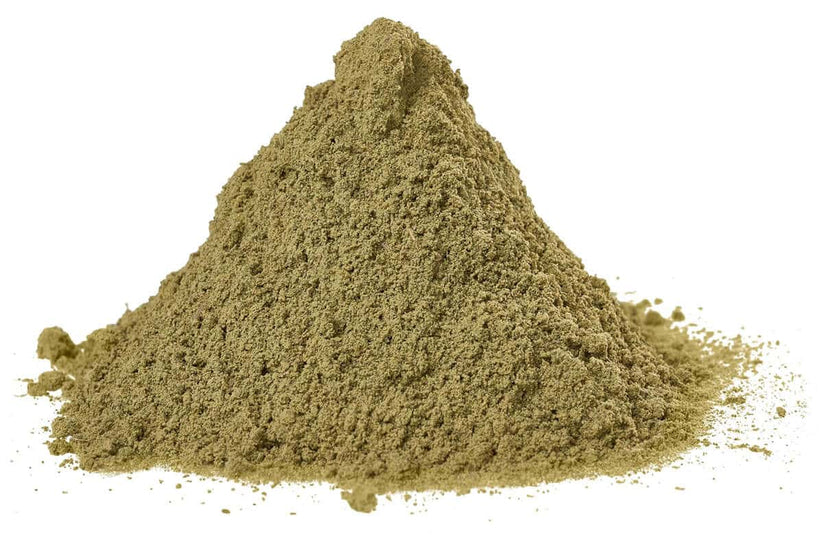
Studies examining how climate change affects soil microbiology in kratom-growing regions will become increasingly important for maintaining alkaloid quality and consistency. Our Green Bali kratom wholesale comes from areas where these soil microbiome relationships remain stable and well-established.
Conclusion
The relationship between soil microbiology and kratom alkaloid development represents a sophisticated natural system that has evolved over millennia. Understanding these underground partnerships enhances our appreciation for the complexity behind kratom's chemical diversity and informs our commitment to sourcing practices that preserve these crucial soil ecosystems.
At Mitra Science, we recognize that superior kratom begins with healthy soil microbiology. Our sourcing partnerships prioritize regions and cultivation methods that maintain the microbial communities essential for optimal alkaloid development, ensuring that our customers receive kratom that reflects nature's most sophisticated biochemical partnerships.