


Managing Root Systems in Constrained Growing Spaces
Expert Techniques for Cultivating Mitragyna Species in Limited Environments
Growing botanical specimens in constrained spaces presents unique challenges that require specialized knowledge and careful planning. Whether you're cultivating live Mitragyna trees indoors, managing container-grown plants, or establishing a compact growing operation, understanding root system management is crucial for success. This comprehensive guide explores proven techniques for maximizing plant health and productivity when working with limited space.

Live Mitragyna speciosa plant (4-6 inches) demonstrating proper container cultivation - Available from $120
Understanding Root System Development in Confined Spaces
Root systems are the foundation of plant health, responsible for nutrient uptake, water absorption, and structural stability. When growing Mitragyna species such as M. speciosa, M. javanica, M. hirsuta, and M. parvifolia in constrained environments, the root system must be carefully managed to prevent binding, ensure proper drainage, and maintain optimal growing conditions.
The Biology of Constrained Root Growth
In their native tropical environments across Southeast Asia and Africa, Mitragyna trees can reach heights of 30 meters with expansive root systems that spread widely to access nutrients and water. However, when cultivated in containers or limited spaces, these trees adapt their growth patterns significantly. Understanding this adaptation is key to successful cultivation.

Fresh Mitragyna speciosa seed pods containing hundreds of delicate seeds - Starting from $40 per pod
Root-bound conditions occur when roots have exhausted available growing space and begin circling the container. This leads to several problems including reduced nutrient uptake, water stress, stunted growth, and decreased overall plant vigor. Recognizing and preventing these conditions is essential for maintaining healthy specimens.
Container Selection and Optimization
The choice of container significantly impacts root development and overall plant health. For Mitragyna species, container selection must balance space constraints with the plant's natural growth requirements.
Size and Material Considerations
Start young plants in appropriately sized containers - typically 6-8 inch pots for seedlings and rooted cuttings. As plants mature, gradually increase container size to accommodate root growth without overwhelming the root system with excess soil that retains too much moisture.
Container Selection Guidelines
- Young plants (4-12 inches): 6-10 inch containers with good drainage
- Adolescent plants (12-24 inches): 12-16 inch containers
- Mature plants (24+ inches): 18-24 inch containers minimum
- Root pruning specimens: Can maintain in smaller containers with regular root maintenance
Material choice matters significantly. Terra cotta pots provide excellent breathability but require more frequent watering. Plastic containers retain moisture longer but may not provide adequate air circulation. Fabric grow bags offer an excellent compromise, promoting air pruning of roots and preventing circling.
Soil Composition and Root Environment

Quality growing medium is essential for constrained space cultivation
Soil composition in constrained spaces requires careful attention to drainage, aeration, and nutrient availability. Standard potting mixes often need amendment to create optimal conditions for Mitragyna root systems.
Creating the Ideal Growing Medium
An effective growing medium for container-grown Mitragyna species should contain:
- Organic matter (40-50%): High-quality compost or aged bark provides nutrients and moisture retention
- Drainage components (30-40%): Perlite, pumice, or coarse sand ensures excess water drains quickly
- Moisture retention (10-20%): Coco coir or peat moss helps maintain consistent moisture levels
- Nutrients and minerals (5-10%): Worm castings, mycorrhizae, and trace minerals support healthy growth
We highly recommend organic potting mix as an excellent source of nutrients for proper leaf production and plant stability. The pH should be maintained between 5.5 and 6.5 for optimal nutrient availability.
Quality Growing Materials from Mitra Science
At Mitra Science, we provide everything you need to establish successful constrained-space cultivation operations. Our products are lab-tested, ethically sourced, and backed by extensive expertise in Mitragyna cultivation.





Fresh tropical Mitragyna speciosa houseplant perfect for container cultivation. Includes detailed care instructions for constrained-space growing.
Bulk Pricing:
- 1 Live Plant: $120
- 5 Live Plants: $108 each
- 10 Live Plants: $98 each
- 20 Live Plants: $84 each
Fresh hardy tree seeds with 10-20% viability rate. Each pod contains hundreds of seeds. Perfect for starting your own cultivation program.
Bulk Pricing:
- 1 Seed Pod: $40
- 5 Seed Pods: $35 each
- 10 Seed Pods: $25 each
- 20+ Seed Pods: $20 each
Root Pruning Techniques for Space Management

Healthy plant material starts with proper root system management
Root pruning is an essential technique for maintaining plants in constrained spaces over extended periods. This practice allows you to keep plants in smaller containers while promoting healthy, vigorous growth.
When to Perform Root Pruning
Monitor your plants for signs that root pruning is needed:
- Roots growing through drainage holes
- Water draining through very quickly or pooling on surface
- Slowed growth despite adequate care
- Plant becoming top-heavy and unstable
- Soil drying out rapidly between waterings
Step-by-Step Root Pruning Process
- Prepare your workspace: Lay out clean tools, fresh soil mix, and the container. Sterilize pruning tools with rubbing alcohol.
- Remove the plant: Gently remove the plant from its container. If root-bound, you may need to tap the sides and run a knife around the edges.
- Examine the root ball: Look for circling roots, dead roots (dark, mushy), and the overall root structure.
- Prune strategically: Remove 20-30% of the root mass, focusing on circling roots and any damaged sections. Make clean cuts with sharp tools.
- Refresh the growing medium: Remove old soil from around roots, being careful not to damage fine feeder roots excessively.
- Repot carefully: Place fresh soil in the container, position the plant at the proper depth, and fill around roots, eliminating air pockets.
- Initial aftercare: Water thoroughly and place in a shaded location for several days to recover from transplant shock.
Post-Pruning Care
After root pruning, your plant needs extra attention to recover successfully:
- Reduce light exposure for 3-5 days to minimize stress
- Maintain consistent moisture without overwatering
- Avoid fertilization for 2-3 weeks
- Mist leaves daily to maintain humidity and reduce transpiration stress
- Monitor closely for signs of wilting or stress
Water Management in Constrained Root Systems
Proper watering becomes more critical and more challenging when working with constrained root systems. The limited soil volume in containers requires careful attention to maintain optimal moisture levels.
Understanding Container Watering Dynamics
Container-grown plants experience different water dynamics than ground-planted specimens. The confined root zone can quickly become waterlogged or dried out, requiring careful monitoring and adjustment.

Premium quality materials from properly cultivated plants
The "soak and dry" method works well for most Mitragyna species. Water thoroughly until it drains from the bottom, then allow the top 1-2 inches of soil to dry before watering again. This cycle encourages roots to grow throughout the container seeking moisture.
Seasonal Watering Adjustments
Watering needs vary dramatically with seasons and environmental conditions:
- Active growth period: More frequent watering as plants transpire and grow rapidly
- Winter dormancy: Reduced watering to prevent root rot in cooler temperatures
- Hot weather: Possible daily watering for smaller containers
- Humid conditions: Extended intervals between watering
Lack of sufficient water will result in smaller, stunted leaves and much slower growth. Misting once or twice daily will help alleviate stress of a drier climate as well as help prevent many opportunities for pests which often prefer the dry undersides and joints of plants.
Nutrient Management in Limited Soil Volume
Constrained growing spaces present unique nutritional challenges. The limited soil volume means nutrients are depleted more quickly than in traditional growing scenarios, requiring strategic fertilization approaches.
Understanding Nutrient Depletion in Containers
Container soil loses nutrients through several pathways: plant uptake, leaching during watering, and microbial activity. Regular fertilization becomes essential for maintaining plant health and vigor.

Quality leaf production depends on proper nutrient management
Fertilization Strategies for Constrained Systems
Implement a balanced fertilization program that provides consistent nutrition without salt buildup:
- Slow-release granular fertilizers: Apply every 3-4 months for consistent baseline nutrition
- Liquid fertilizers: Weekly or bi-weekly applications at half-strength during active growth
- Organic amendments: Top-dress with worm castings, compost, or fish emulsion monthly
- Micronutrient supplements: Foliar sprays of kelp or other micronutrient solutions
Monitoring plant response helps dial in the perfect fertilization schedule. Yellowing leaves, slow growth, or pale new growth indicate insufficient nutrition, while burned leaf tips or excessive vegetative growth with few mature leaves suggest over-fertilization.
Premium Botanical Materials for Research and Cultivation
Mitra Science offers the finest powdered leaves, crushed leaves, and extracts from sustainably cultivated Mitragyna species.
Premium alkaloid-rich wholesale powder from mature, well-cultivated plants. Available in bulk quantities.
Available in: 1kg, 25kg, 100kg, 300kg, 500kg
View Product
Premium white vein powder from carefully cultivated specimens. Wholesale and retail quantities available.
Available in: 1kg, 25kg, 100kg, 300kg, 500kg
View Product
Premium green vein powder, wholesale bulk with 10kg minimum order. Ideal for research and cultivation study.
Available in: 1kg, 25kg, 100kg, 300kg, 500kg
View Product
Premium quality wholesale powder in bulk quantities starting at 25kg. Perfect for commercial operations.
Available in: 25kg, 100kg, 300kg, 500kg
View ProductEnvironmental Control for Constrained Growing
Creating optimal growing conditions becomes both easier and more critical when cultivating in constrained spaces. Environmental control directly impacts root health and overall plant performance.
Temperature Management
Mitragyna species thrive in warm tropical conditions. Consider the plant's native habitat - Thailand and Africa - where the tropical zones are moist and warm and days are long. We find optimal growth to be at around 85 degrees F with around 4 hours of morning sun and shade the rest of the day.

Optimal growing conditions produce superior quality material
Temperature tolerance ranges:
- Optimal growth: 75-90°F (24-32°C)
- Slowed growth: 60-75°F (16-24°C)
- Dormancy: Below 60°F (16°C)
- Damage threshold: Near-freezing temperatures will kill plants quickly
Humidity Requirements
Humidity significantly affects transpiration rates and overall plant health. Creating a makeshift greenhouse for your plant can help maintain optimal humidity. You can use a 2-liter plastic bottle with the bottom cut off or just a big plastic bag. That will help keep in the moisture and the heat.
If you can't make a greenhouse for it, at the very least, you will need to spritz plants with water several times a day to keep the leaves moist. They do not do well going straight from an extremely high-humidity environment to normal house conditions.
Light Requirements for Container Growing
Kratom requires an ample amount of lighting that is very bright, but not harsh like the sun. If adequate lighting is not maintained consistently, leaf drop will occur quite severely until the plant can use what light is available.
You may find the use of fluorescent lighting to be amicable and ultimately will be easier to control during the shorter winter months. Should artificial lighting be impractical for your needs, 4-5 hours of early morning sun should be sufficient.
Common Root System Problems and Solutions
Even with careful management, root problems can occur in constrained growing systems. Early detection and prompt action are essential for maintaining plant health.

Healthy root systems produce quality plant material
Root Rot Prevention and Treatment
Root rot results from prolonged exposure to waterlogged conditions and is one of the most serious problems in container cultivation. Prevention is far easier than treatment:
- Ensure containers have adequate drainage holes
- Use well-draining soil mixes
- Don't allow plants to stand in water for extended periods (no more than 2-3 hours per day)
- Monitor soil moisture before watering
- Increase air circulation around plants
Nutrient Deficiency Recognition
Constrained root systems may show deficiency symptoms more quickly than field-grown plants:
- Nitrogen deficiency: Yellowing of older leaves, stunted growth
- Phosphorus deficiency: Dark green or purplish leaves, poor root development
- Potassium deficiency: Leaf edge browning, weak stems
- Iron deficiency: Yellowing between leaf veins on new growth
- Magnesium deficiency: Yellowing between veins on older leaves
Troubleshooting Quick Reference
- Wilting despite moist soil: Possible root rot; improve drainage and reduce watering
- Slow growth with good care: Likely root-bound; consider repotting or root pruning
- Leaves dropping dramatically: Environmental stress; check temperature, humidity, and light levels
- Yellow, stunted leaves: Nutrient deficiency; adjust fertilization program
- Roots growing from drainage holes: Time for root pruning or larger container
Advanced Techniques for Space Optimization
Vertical Growing Systems
When floor space is limited, vertical growing systems maximize plant numbers while maintaining manageable root systems. Shelving units with grow lights allow cultivation of multiple specimens in a small footprint.

Multiple species can be cultivated efficiently in constrained spaces
Training and Pruning for Compact Growth
Strategic pruning creates bushier, more compact plants suitable for constrained spaces:
- Top young plants to encourage branching rather than vertical growth
- Remove lower branches to focus energy on upper canopy
- Trim competing shoots to maintain desired shape
- Regular pruning stimulates new growth and maintains manageable size
Companion Container Growing
Some growers successfully use companion planting in larger containers to maximize space efficiency. Select companions carefully to avoid root competition while benefiting from symbiotic relationships.
Specialized Botanical Products by Species
Explore our comprehensive collection of Mitragyna species products, perfect for cultivation research and comparative studies.
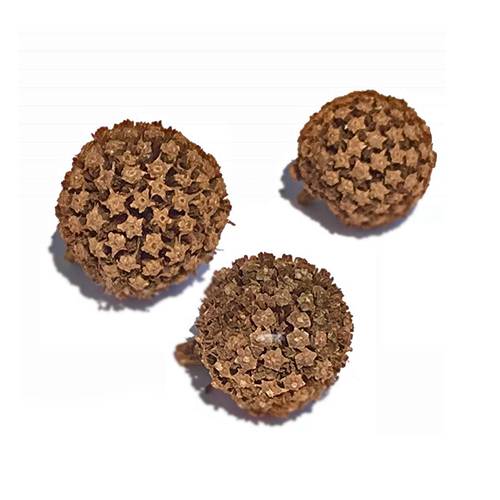
Premium botanical tree seeds from Southeast Asia. Excellent for research into root system development and cultivation techniques.
Contact us for availability
View Product
Indian tree seeds for cultivation and research. Also known as Kadamb, these specimens adapt well to container growing.
Contact us for availability
View Product
Southeast Asian tree seeds perfect for cultivation experiments. These plants show excellent adaptation to constrained growing spaces.
Contact us for availability
View Product
Mitragyna Hirsuta powder in 10kg bulk packaging. Perfect for research into processing and quality analysis.
Contact us for availability
View ProductShop M. Speciosa Collection Shop M. Javanica Shop M. Hirsuta
Long-Term Root System Management Strategies
Successful long-term cultivation in constrained spaces requires systematic approaches to root system management. Developing a consistent routine ensures plants remain healthy and productive year after year.
Annual Maintenance Schedule
Implement a regular maintenance schedule to prevent problems before they arise:
- Spring: Root prune or repot as needed; refresh soil; increase watering and feeding
- Summer: Monitor closely for water stress; adjust fertilization; check for pest issues
- Fall: Reduce fertilization; prepare for reduced growth period; final pest inspection
- Winter: Reduce watering; maintain temperature; minimal fertilization

Quality specimens produce superior botanical materials year after year
Record Keeping for Success
Maintain detailed records of your cultivation efforts:
- Root pruning dates and observations
- Fertilization schedule and products used
- Pest or disease issues and treatments
- Growth rates and measurements
- Environmental conditions (temperature, humidity)
- Plant responses to different treatments
These records become invaluable for troubleshooting problems and optimizing your growing system over time.
Sustainable Practices in Constrained Space Cultivation
At Mitra Science, we are committed to being a leader in both the research and supply of all Mitragyna species. We emphasize sustainable practices that benefit both cultivators and the environment.

Understanding the Mitragyna genus enables better cultivation practices
Resource Conservation
Constrained space growing naturally promotes several sustainable practices:
- Reduced water usage compared to field cultivation
- Precise nutrient management minimizes waste
- Controlled environments reduce pest pressure and pesticide needs
- Year-round cultivation in climate-controlled spaces
- Efficient use of space for maximum productivity
Soil Reuse and Recycling
Old potting soil need not be wasted. After root pruning or repotting:
- Sterilize used soil by baking or solarization
- Amend with fresh compost and nutrients
- Use for less demanding plants or outdoor gardens
- Compost spent soil with other organic matter
Conclusion: Mastering Constrained Space Cultivation
Managing root systems in constrained growing spaces requires attention to detail, consistent care, and willingness to adapt techniques to your specific situation. Whether you're cultivating a single specimen on a windowsill or operating a compact commercial growing operation, the principles outlined in this guide provide a foundation for success.
Remember that each plant is unique, and your growing environment presents its own challenges and opportunities. Monitor your plants closely, learn from both successes and setbacks, and continuously refine your approach based on plant responses.

Success in constrained space cultivation produces exceptional results
By implementing proper container selection, optimizing soil composition, managing water and nutrients effectively, and performing regular root maintenance, you can successfully cultivate healthy, productive Mitragyna specimens in even the most limited spaces.
Key Takeaways for Success
- Choose appropriate container sizes and materials for your specific plants and space
- Use well-draining, nutrient-rich soil mixes optimized for container growing
- Implement regular root pruning to maintain healthy plants in limited spaces
- Monitor water and nutrient needs closely due to limited soil volume
- Control environmental factors including temperature, humidity, and light
- Keep detailed records to optimize your system over time
- Source quality seeds and plants from reputable suppliers like Mitra Science
The cultivation knowledge shared in this guide comes from years of experience working with Mitragyna species in various growing conditions. At Mitra Science, we're dedicated to supporting cultivators with high-quality seeds, live trees, and expert guidance for every step of your cultivation journey.
Start Your Cultivation Journey Today
Whether you're a researcher, hobbyist cultivator, or commercial grower, Mitra Science provides everything you need to succeed with constrained space cultivation.

Bulk wholesale crushed leaf material from well-cultivated specimens. Perfect for quality analysis and research.
Available in: 25kg, 100kg, 300kg
View Product
Premium bulk white Bali powder in quantities from 25kg to 500kg. Ideal for commercial operations.
Available in: 25kg, 100kg, 300kg, 500kg
View Product
Premium quality wholesale Green Malay powder with 10kg minimum order. Excellent for research applications.
Available in: 25kg, 100kg, 300kg, 500kg
View Product
Need help with your cultivation project?
Call us: +1-347-486-4872
Email: info@mitrascience.com
Additional Resources and Support
Mitra Science is committed to supporting the cultivation community with comprehensive resources and expert guidance.
Educational Resources
Visit our blog for additional articles on cultivation, botanical research, and industry insights. Recent articles include:
- Sourcing Rare Species Without Overharvest: Sustainable Practices in Botanical Conservation
- Cleaning Protocols for Raw Kratom Leaves: A Comprehensive Guide
- Kratom Harvesting & Replanting Protocols: Sustainable Cultivation Guide
- Leaf Picking Methods to Maximize Regrowth: A Comprehensive Guide
- Managing Soil Erosion in Kratom Farms: Sustainable Practices for Mitragyna Cultivation
Product Collections
Explore our specialized collections:
- Powdered Leaves Collection - Finely ground botanicals in bulk quantities
- Extracts Collection - Concentrated botanical extracts for research
- Crushed Leaves Collection - Versatile crushed leaf materials
- Live Trees Collection - Fresh tropical houseplants for cultivation
- Seeds Collection - Premium seeds from multiple Mitragyna species
Browse by Species
Shop products by specific Mitragyna species:
- M. Speciosa (Kratom) - The most widely researched Mitragyna species
- M. Javanica - Southeast Asian species with unique properties
- M. Hirsuta - Alternative Mitragyna species for research
- M. Parvifolia - Indian Kadamb tree species
Quality and Testing
All Mitra Science products undergo rigorous testing to ensure quality, purity, and consistency. Learn more about our lab testing and analysis protocols.

Mitra Science: Your source for high-quality, wholesale botanical materials