Best Kratom Powder for Opiate Withdrawal - Premium Wholesale Collection

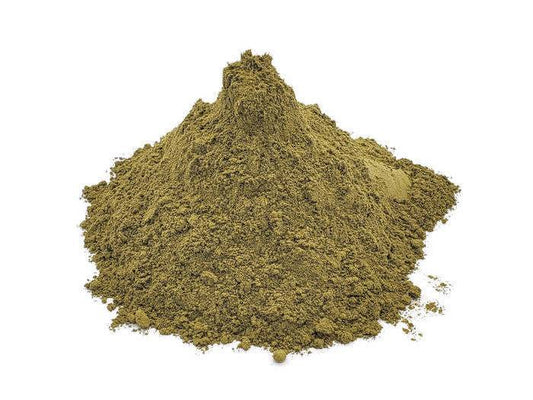
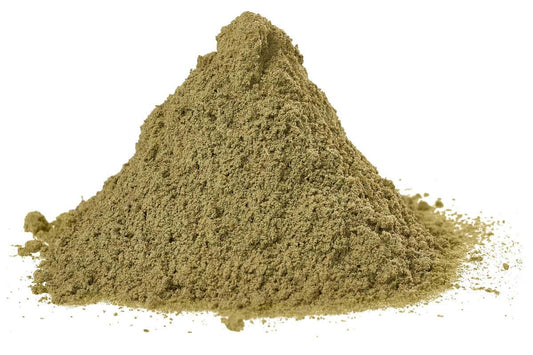
Managing opiate withdrawal symptoms requires a comprehensive approach that addresses both physical discomfort and psychological challenges. Our premium kratom powder collection offers wholesale bulk options specifically selected for those seeking natural alkaloid support during the recovery process. This curated selection features the most sought-after strains for withdrawal management, including Red Bali and Red Maeng Da kratom powders known for their higher 7-hydroxymitragynine content, Green Maeng Da and Green Malay varieties that provide balanced energy and mood support, and high-grade 50% mitragynine extracts for those requiring concentrated alkaloid content. Each product in this collection meets strict quality standards with third-party laboratory testing, proper alkaloid profiles, and sourcing from mature Mitragyna speciosa trees in Southeast Asia. Whether you're seeking the deep relaxation properties of red vein strains to manage acute withdrawal discomfort, the balanced effects of green veins to combat fatigue and maintain functionality, or the potency of standardized extracts for more intensive support, this collection provides pharmaceutical-grade options at wholesale pricing. Our 10KG minimum bulk quantities ensure cost-effective long-term management strategies for individuals, practitioners, or retailers supporting the recovery community. All products are carefully processed, finely ground for optimal bioavailability, and stored properly to maintain freshness and potency. Understanding that successful withdrawal management requires consistency and quality, we've assembled these premium kratom varieties to provide reliable alkaloid content and purity you can trust during this critical transition period.

Key Takeaways

  • Red vein kratom strains like Red Bali and Red Maeng Da are traditionally preferred for managing discomfort due to their higher 7-hydroxymitragynine content
  • Green vein varieties such as Green Maeng Da and Green Malay offer balanced alkaloid profiles that may support energy and mood during recovery
  • High-grade kratom extracts provide concentrated mitragynine (50%+) for those seeking more potent alkaloid content
  • Quality sourcing, third-party lab testing, and proper alkaloid profiles are essential factors when selecting kratom for wellness support

What should you look for in kratom powder for opiate withdrawal support?

When selecting kratom powder for managing withdrawal discomfort, prioritize products with verified alkaloid content and third-party laboratory testing. The most important factors include the strain's vein color (red veins typically contain higher 7-hydroxymitragynine levels, which interact with opioid receptors), the mitragynine percentage (quality powder should contain 1.2-2% mitragynine naturally), and the freshness of the product. Premium-grade kratom should be sourced from mature trees in Southeast Asia, properly dried, and finely ground for optimal bioavailability. Look for suppliers who provide certificates of analysis (COA) confirming the absence of contaminants like heavy metals, pesticides, and microbial contamination. Additionally, consider the supplier's reputation, customer reviews, and whether they follow Good Manufacturing Practices (GMP). For those managing significant discomfort, high-grade extracts with standardized alkaloid content (50% mitragynine or higher) may provide more consistent results than standard powder alone.

How do you choose the right kratom strain for withdrawal management needs?

  • Red Vein Strains (Red Bali, Red Maeng Da, Red Malay): Best for managing physical discomfort, promoting relaxation, and supporting rest during withdrawal - ideal for evening use and acute symptom management
  • Green Vein Strains (Green Maeng Da, Green Malay): Offer balanced effects combining mild discomfort relief with energy support and mood enhancement - suitable for daytime use to combat withdrawal-related fatigue
  • Kratom Extracts (50% Mitragynine): Provide concentrated alkaloid content for those who need stronger support or have developed tolerance - use sparingly and rotate with regular powder to maintain effectiveness
  • Strain Rotation Strategy: Alternate between different strains and vein colors to prevent tolerance buildup and maintain efficacy throughout the withdrawal process
  • Dosage Considerations: Start with lower amounts (2-3 grams) and gradually adjust based on individual response - wholesale bulk options allow for cost-effective long-term management strategies

Frequently Asked Questions

Is kratom good for opioid withdrawal?
Kratom (Mitragyna speciosa) has gained attention as a potential tool for managing opioid withdrawal symptoms, though it's important to understand both its potential benefits and limitations. Kratom's primary alkaloids, mitragynine and 7-hydroxymitragynine, interact with the same opioid receptors affected during withdrawal, which may help ease discomfort, reduce cravings, and alleviate symptoms like muscle aches, anxiety, and insomnia. Many individuals report that kratom has helped them manage withdrawal symptoms and reduce or eliminate their dependence on prescription or illicit opioids. However, kratom is not FDA-approved for this purpose, and scientific research is still emerging. While some studies suggest potential benefits, kratom itself can cause dependence with regular use, though many users report that kratom dependence is easier to manage than traditional opioid addiction. It's crucial to approach kratom as a harm reduction tool rather than a cure, and ideally use it under the guidance of a healthcare professional knowledgeable about kratom. Quality matters significantly - only use lab-tested, pure kratom from reputable suppliers to avoid contaminated products.
What is the new medication for opiate withdrawal?
The newest FDA-approved medication for opioid withdrawal is lofexidine (brand name Lucemyra), approved in 2018 specifically for managing withdrawal symptoms. Lofexidine is a non-opioid medication that reduces the release of norepinephrine, helping to alleviate physical withdrawal symptoms like muscle aches, sweating, and chills. Beyond this, the standard of care includes medications like buprenorphine (Suboxone, Subutex), methadone, and naltrexone (Vivitrol) as part of Medication-Assisted Treatment (MAT). Buprenorphine is particularly popular because it's a partial opioid agonist that reduces cravings and withdrawal symptoms without producing a significant high. Some individuals explore complementary approaches like kratom alongside or instead of traditional medications, particularly those seeking alternatives to pharmaceutical interventions. However, any withdrawal management strategy should ideally be discussed with a healthcare provider who can assess individual circumstances, monitor progress, and provide comprehensive support including counseling and behavioral therapy, which are crucial components of successful recovery.
What are three things that can help with withdrawal symptoms?
Three evidence-supported approaches that can help manage withdrawal symptoms include: (1) Medication-Assisted Treatment (MAT): Using FDA-approved medications like buprenorphine, methadone, or naltrexone, or exploring alternative options like kratom, can significantly reduce physical withdrawal symptoms and cravings by interacting with opioid receptors in a controlled manner. (2) Hydration and Nutrition: Withdrawal depletes the body of essential nutrients and fluids; maintaining proper hydration, consuming nutrient-dense foods, and supplementing with vitamins (especially B-complex, vitamin C, and magnesium) supports the body's healing process and can reduce symptoms like muscle cramps, fatigue, and mood disturbances. (3) Physical Activity and Sleep Hygiene: Gentle exercise like walking, yoga, or stretching releases endorphins that naturally improve mood and reduce discomfort, while establishing good sleep routines (consistent bedtime, dark room, avoiding screens) helps combat insomnia, which is one of the most challenging withdrawal symptoms. Additional supportive measures include staying connected with support groups, practicing stress-reduction techniques like meditation or deep breathing, taking warm baths with Epsom salts for muscle aches, and having a structured daily routine to provide stability during the recovery process.
What is the drug of choice for opioid addiction?
The 'drug of choice' for treating opioid addiction depends on individual circumstances, but buprenorphine (often combined with naloxone in formulations like Suboxone) has become the most widely prescribed medication for opioid use disorder. Buprenorphine is a partial opioid agonist that occupies opioid receptors without producing intense euphoria, effectively reducing cravings and withdrawal symptoms while having a ceiling effect that makes overdose less likely. It can be prescribed in office-based settings, making it more accessible than methadone, which requires daily visits to specialized clinics. Methadone remains highly effective, particularly for severe, long-term addiction, as it's a full opioid agonist that completely blocks withdrawal symptoms when properly dosed. Naltrexone (Vivitrol) is an opioid antagonist that blocks opioid receptors entirely, preventing any opioid effects, and is best for people who have already completed detoxification. The gold standard approach combines these medications with counseling and behavioral therapy - medication alone is less effective than comprehensive treatment. Some individuals also explore kratom as an alternative or transitional tool, particularly those who have difficulty accessing traditional MAT or prefer plant-based options, though this should be approached thoughtfully and ideally with professional guidance.
How should kratom be used during opiate withdrawal?
When using kratom to manage opiate withdrawal, a strategic and cautious approach is essential. Start with a low dose (2-3 grams) of a red vein strain like Red Bali or Red Maeng Da to assess individual response and tolerance. Doses can be taken 2-3 times daily during acute withdrawal, typically spaced 4-6 hours apart, with adjustments based on symptom severity. Red vein strains are generally preferred during the most intense withdrawal phases (days 1-7) due to their higher 7-hydroxymitragynine content, which may better address physical discomfort and anxiety. As acute symptoms subside, transitioning to green vein strains like Green Maeng Da during daytime hours can help combat fatigue and mood issues while maintaining some relief. It's crucial to avoid escalating doses unnecessarily - use the minimum effective amount to manage symptoms. Many successful users implement a tapering strategy, gradually reducing kratom intake over weeks or months rather than using it indefinitely. Rotate strains regularly to prevent tolerance buildup. Stay well-hydrated, as kratom can be dehydrating. Purchase only from reputable suppliers offering lab-tested products to ensure purity and consistent alkaloid content. Keep detailed records of dosing and symptoms to identify patterns and optimize your approach. Most importantly, view kratom as a transitional tool within a broader recovery strategy that includes lifestyle changes, support systems, and addressing underlying factors that contributed to addiction.

Sources

  • SAMHSA - Substance Abuse and Mental Health Services Administration — www.samhsa.gov
  • Kratom for opioid withdrawal: Does it work? — www.mayoclinic.org
  • Self-treatment of opioid withdrawal using kratom (Mitragynia speciosa korth) — pmc.ncbi.nlm.nih.gov
  • Kratom as a substitute for opioids: Results from an online survey — www.sciencedirect.com
  • Page not found | FDA — www.fda.gov

6 products

100% Vegan

100% Vegan

Non GMO

Non GMO

Ethically Sourced

Ethically Sourced

Lab Tested

Lab Tested

No Artificials

No Artificials