


Key Takeaways
Understanding Mitragyna Hybridization
- Mitragyna species include Speciosa, Hirsuta, and Javanica with distinct alkaloid profiles
- Cross-cultivation research explores genetic compatibility between species
- Each species contains unique alkaloids with potential botanical research applications
- Hybridization could create plants with novel alkaloid combinations
- Environmental factors significantly influence plant development and alkaloid production
Introduction to the Mitragyna Genus
The Mitragyna genus represents a group of tropical trees native to Southeast Asia, with several distinct species that have attracted scientific interest. Among these, Mitragyna speciosa, Mitragyna hirsuta, and Mitragyna javanica stand out as the most extensively studied. These botanical relatives share similar physical characteristics but possess unique alkaloid profiles that differentiate them from one another, making them valuable subjects for comparative botanical research and phytochemical analysis.


At Mitra Science, we focus on the scientific exploration of these fascinating botanical specimens. Our research into Mitragyna species examines their genetic makeup, alkaloid profiles, and cultivation requirements. This scientific approach allows us to understand the potential for hybridization between different Mitragyna species, which could lead to interesting botanical developments and potentially revolutionary insights into plant genetics and alkaloid biosynthesis pathways that might benefit multiple fields of scientific inquiry.
The concept of hybridization—crossing two different species within the same genus—presents intriguing possibilities for botanical research. Through careful cross-cultivation techniques, researchers can explore whether different Mitragyna species can be successfully hybridized to create new plant varieties with combined characteristics from their parent species. This process requires deep understanding of plant reproductive biology, genetic compatibility factors, and specialized cultivation techniques that maintain optimal conditions for cross-pollination and seed development.
Understanding the Major Mitragyna Species
Mitragyna Speciosa: The Primary Research Focus
Mitragyna speciosa, commonly known as kratom, has become the most widely studied species within the genus. Native to countries like Thailand, Malaysia, Indonesia, and Papua New Guinea, this tropical evergreen tree belongs to the coffee family (Rubiaceae). Its long history of traditional use in Southeast Asian cultures has contributed to its prominence in ethnobotanical research, with indigenous knowledge providing valuable context for scientific investigations into its properties.
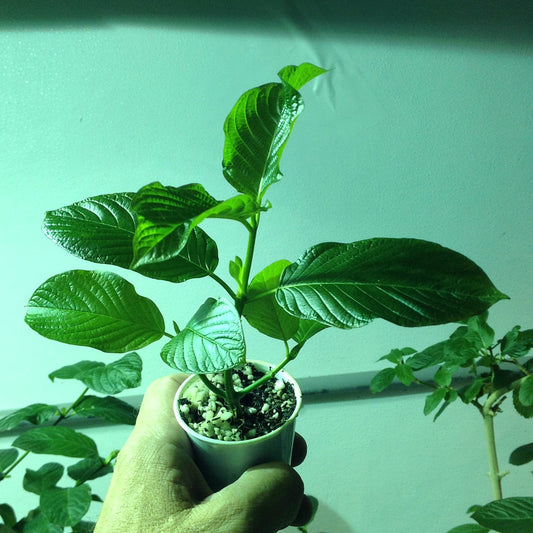
Mitragyna speciosa is characterized by its glossy leaves and can grow up to 82 feet (25 meters) in height. The leaves contain over 40 different alkaloids, with mitragynine being the most abundant, typically constituting approximately 66% of the total alkaloid content in most varieties. Secondary alkaloids like paynantheine, speciogynine, and 7-hydroxymitragynine are present in smaller quantities but contribute significantly to the plant's overall phytochemical profile. Our Mitragyna Speciosa Crushed Leaf product showcases the natural form of this botanical specimen, carefully preserved for research purposes.
The genetic makeup of Mitragyna speciosa has been extensively studied, with researchers having completed chromosome-scale genome assembly. This genetic information is crucial when considering hybridization potential with other Mitragyna species, as genetic compatibility is a fundamental requirement for successful cross-breeding. Recent advances in genomic sequencing have revealed that M. speciosa possesses 22 chromosome pairs (2n=44), which provides essential baseline information for comparative genomic studies with other members of the genus and helps predict potential barriers to successful hybridization.
Mitragyna Hirsuta: The Lesser-Known Relative
Mitragyna hirsuta, sometimes called "kra thum kok" in Thailand, represents another significant species within the Mitragyna genus. Though less extensively researched than its relative M. speciosa, this species has attracted scientific interest due to its unique alkaloid profile. Growing predominantly in Southeast Asian countries including Thailand, Cambodia, and Vietnam, M. hirsuta thrives in similar tropical environments to its more famous relative but exhibits distinct morphological characteristics, including slightly different leaf structures and growth patterns.

Mitragyna hirsuta contains mitraphylline as its primary alkaloid, distinguishing it chemically from M. speciosa. This difference in alkaloid composition represents a fundamental biochemical divergence between the species and highlights the diverse evolutionary pathways that have shaped the Mitragyna genus. Our Kra Thom Kok (Mitragyna Hirsuta) Crushed product allows researchers to examine this species in its natural form. Additionally, we offer isolated mitraphylline, the key alkaloid from M. hirsuta, for more focused scientific investigation into its chemical properties and potential applications in various research contexts.
For those interested in cultivation, we provide Mitragyna Hirsuta Seeds, which are valuable for botanical gardens and research facilities studying this species. These seeds allow researchers to observe the complete lifecycle of the plant under controlled conditions. Monitoring the growth stages from germination through maturity provides critical insights into the plant's developmental biology, environmental responses, and the factors that influence alkaloid production throughout its life cycle—all essential knowledge for hybridization attempts.
Mitragyna Javanica: The Third Major Species
Completing the trio of major Mitragyna species is Mitragyna javanica, known in Thailand as "kra thom na." This species shares many physical characteristics with its relatives but contains a distinct set of alkaloids, primarily mitrajavine and 3-isoajmalicine. Native to Indonesia, Malaysia, and Thailand, M. javanica typically grows in wetland areas and along riverbanks, demonstrating a particular adaptation to high-moisture environments that distinguishes its ecological niche from the other Mitragyna species.


Our Mitragyna Javanica collection includes both crushed leaf material and concentrated extracts for research purposes. The Kra Thom Na (Mitragyna Javanica) Crushed product provides researchers with the natural plant material, while our 100:1 Powdered Extract offers a concentrated form for more detailed chemical analysis. These concentrated extracts enable researchers to work with standardized materials that facilitate reproducible experimental results and allow for more precise comparative studies between different Mitragyna species.
For a comprehensive overview of this species, our blog post Exploring Mitragyna Javanica's Role in Kratom Research provides valuable insights into its botanical characteristics and research applications. The article details the morphological features that distinguish M. javanica from other Mitragyna species, including differences in leaf venation patterns, flower structure, and seed pod formation—characteristics that influence both its taxonomic classification and its potential compatibility for hybridization with other members of the genus.
Genetic Compatibility for Hybridization
The potential for hybridization between Mitragyna species depends primarily on their genetic compatibility. While belonging to the same genus suggests some level of compatibility, successful hybridization requires specific genetic conditions to be met. Chromosomal compatibility, including similar ploidy levels and structural arrangements, represents the most fundamental prerequisite for viable hybrid formation. Recent genomic studies have begun mapping the genetic relationships between Mitragyna species, providing crucial information about their evolutionary distances and potential interfertility.
Key Factors Affecting Hybridization Potential
- Chromosome number and compatibility
- Flowering synchronization between species
- Pollen viability and receptivity
- Genetic barriers to cross-pollination
- Environmental conditions during attempted hybridization
Research into the genomics of Mitragyna species has revealed evidence of genome-wide duplication events in their evolutionary history, which could potentially impact hybridization efforts. These polyploidization events, common in plant evolution, often create barriers to cross-species fertilization due to imbalances in chromosomal pairing during meiosis. However, they can also occasionally facilitate novel genetic combinations when hybridization does occur successfully. Understanding these complex genomic histories is essential for predicting which Mitragyna species combinations might produce viable hybrids.
Our blog post Unlocking Nature's Potential: Cross-Cultivation Between Mitragyna Species explores the scientific approaches to cross-breeding these botanical relatives. This research represents an exciting frontier in botanical science, potentially leading to new insights into plant genetics and alkaloid biosynthesis. The article details specific techniques being employed in controlled cross-pollination experiments, including methods for overcoming potential reproductive barriers and optimizing environmental conditions to maximize the chances of successful hybridization between different Mitragyna species.
Alkaloid Profiles Across Mitragyna Species
One of the most fascinating aspects of the Mitragyna genus is the variation in alkaloid content between species. These chemical differences not only distinguish the species from one another but also present interesting possibilities for hybridization outcomes. Each Mitragyna species has evolved its own unique suite of alkaloids, reflecting different evolutionary pressures and ecological adaptations. These distinctive chemical profiles result from variations in the genes encoding enzymes involved in alkaloid biosynthesis pathways, making them valuable markers for studying both species relationships and potential hybridization outcomes.
Comparative Analysis of Major Alkaloids
| Mitragyna Species | Primary Alkaloids | Secondary Alkaloids |
|---|---|---|
| Mitragyna speciosa | Mitragynine, 7-hydroxymitragynine | Speciogynine, Paynantheine, Speciociliatine |
| Mitragyna hirsuta | Mitraphylline | Hirsutine, Rhynchophylline |
| Mitragyna javanica | Mitrajavine | 3-isoajmalicine, Javanicine |
Our detailed blog post Exploring Alkaloid Diversity in Mitragyna Species provides an in-depth analysis of these chemical differences. Understanding these alkaloid profiles is essential when considering hybridization, as a successful cross could potentially combine alkaloids from both parent species. This possibility represents one of the most scientifically intriguing aspects of Mitragyna hybridization research—the potential to create plants with novel combinations of alkaloids that do not occur naturally in any existing species, potentially opening new avenues for botanical research.
For researchers interested in specific alkaloids, we offer isolated mitraphylline derived from Mitragyna hirsuta. This purified compound allows for focused research on the properties of this specific alkaloid without the presence of other plant compounds. Using high-performance liquid chromatography (HPLC) and mass spectrometry techniques, researchers can precisely characterize these isolated alkaloids and compare their properties with those found in other Mitragyna species, providing valuable data for predicting potential alkaloid profiles in hypothetical hybrid plants.
Cultivation Requirements and Environmental Factors
Successful hybridization between Mitragyna species requires not only genetic compatibility but also suitable environmental conditions for both parent plants and their potential offspring. Understanding the cultivation requirements of each species is therefore essential to hybridization efforts. Environmental factors play a crucial role at multiple stages of the hybridization process, from ensuring healthy parent plants with viable reproductive structures to providing optimal conditions for hybrid seed development, germination, and subsequent growth of the new plant variety.


Common Growing Requirements
All Mitragyna species share certain basic growing requirements, reflecting their tropical origins:
- Warm temperatures (75-85°F / 24-29°C)
- High humidity (70-90%)
- Well-draining, slightly acidic soil (pH 5.5-6.5)
- Protection from direct, harsh sunlight (partial shade)
- Regular watering to maintain soil moisture
However, there are subtle differences in optimal growing conditions between species, which could impact hybridization success. For example, M. javanica typically prefers wetter conditions than M. speciosa, while M. hirsuta may demonstrate greater tolerance for temperature fluctuations. These differences reflect the specific ecological niches each species occupies in its native habitat and must be carefully balanced when attempting hybridization. Our Botanical Gardening & Plant Cultivation collection includes resources for researchers interested in growing these species under controlled conditions.
The soil composition plays a particularly important role in plant development and alkaloid production. Our blog post Soil Microbiology's Effect on Kratom Alkaloid Development explores how soil microorganisms influence the biochemical processes within these plants. The complex interactions between plant roots and soil microbiota create unique rhizosphere environments that can significantly impact plant metabolism, including the biosynthesis pathways responsible for alkaloid production. Understanding these interactions is essential for creating optimal growing conditions for both parent plants and any resulting hybrids, particularly since hybrid plants may have different microbial associations than either parent species.
Potential Applications of Mitragyna Hybridization
The successful hybridization of different Mitragyna species could lead to several valuable applications in botanical research. By combining the genetic traits of multiple species, researchers might develop plants with novel characteristics that advance our understanding of plant biology. Hybrid plants often exhibit unique properties not found in either parent, a phenomenon known as heterosis or hybrid vigor, which can manifest in various ways including enhanced growth rates, increased alkaloid production, or improved resistance to environmental stressors.


Enhanced Research Opportunities
Hybrid Mitragyna plants could provide researchers with new materials for studying:
- Alkaloid biosynthesis pathways
- Genetic expression of specific plant traits
- Plant adaptation to environmental stressors
- Botanical taxonomy and classification
- Natural product chemistry
At Mitra Science, we provide various Mitragyna products for research purposes, including powdered extracts that allow for detailed chemical analysis. Our Mitragyna Hirsuta 25:1 Extract and Mitragyna Javanica 100:1 Extract showcase the concentrated alkaloid profiles of these species. These standardized extracts provide consistent research materials that enable scientists to conduct comparative analyses between species and potentially predict the chemical profiles that might emerge in successful hybrid plants. The concentrated nature of these extracts also facilitates more sensitive analytical techniques, allowing researchers to detect and characterize even minor alkaloid components that might otherwise be difficult to isolate from raw plant material.
Current Research Methodologies
The exploration of hybridization potential between Mitragyna species employs several sophisticated research methodologies. These scientific approaches help researchers understand the genetic relationships between species and assess their compatibility for cross-breeding. Modern botanical research combines traditional plant breeding techniques with cutting-edge molecular biology methods, creating a powerful toolkit for investigating hybridization potential between closely related plant species like those in the Mitragyna genus.


DNA Barcoding and Genetic Analysis
DNA barcoding techniques allow researchers to identify and authenticate different Mitragyna species with high precision. This genetic fingerprinting helps establish the taxonomic relationships between species and assess their genetic distance—a factor that influences hybridization potential. By analyzing specific genetic markers, scientists can quantify the evolutionary distance between different Mitragyna species and identify regions of high genetic similarity that might facilitate successful hybridization. Common genetic markers used in these analyses include the internal transcribed spacer (ITS) regions of nuclear ribosomal DNA and chloroplast genes like matK and rbcL, which provide complementary information about species relationships.
Modern genome sequencing has provided detailed information about the genetic makeup of Mitragyna species, revealing evidence of genome-wide duplication events in their evolutionary history. This genetic information helps researchers understand the chromosomal compatibility between species, which is crucial for successful hybridization. Complete genome sequences also allow scientists to identify specific genes involved in alkaloid biosynthesis pathways, providing targets for monitoring gene expression in potential hybrid plants and predicting which alkaloids they might produce. The increasing affordability of next-generation sequencing technologies has made these comprehensive genomic analyses increasingly accessible to botanical researchers.
Controlled Pollination Experiments
Researchers use controlled pollination techniques to test the cross-compatibility of different Mitragyna species. This process typically involves:
- Identifying and isolating receptive female flowers
- Collecting viable pollen from male flowers of a different species
- Manually transferring pollen to the stigma of female flowers
- Protecting pollinated flowers from contamination
- Monitoring for seed development and viability
These experiments must be conducted under carefully controlled environmental conditions to maximize the chances of successful cross-pollination. Factors like temperature, humidity, and light exposure can significantly impact pollen viability and stigma receptivity, making environmental control critical to experimental success. Researchers often employ specialized pollination chambers that maintain optimal conditions throughout the fertilization process. Additionally, the timing of pollination attempts must be precisely synchronized with flower development stages, requiring careful monitoring of both male and female plants to identify the optimal window for cross-pollination attempts between different Mitragyna species.
Challenges in Mitragyna Hybridization
Despite the scientific interest in Mitragyna hybridization, researchers face several significant challenges when attempting to cross different species within this genus. These obstacles range from fundamental genetic incompatibilities to practical difficulties in experimental design and implementation. Understanding these challenges is essential for developing strategies to overcome them and increase the likelihood of successful hybridization between different Mitragyna species.


Genetic Barriers
Natural genetic barriers often exist between different plant species, even within the same genus. These barriers can include:
These genetic barriers have evolved naturally to maintain species boundaries in the wild, but they present obstacles for controlled hybridization attempts. Many of these barriers represent the result of millions of years of evolutionary divergence between species, creating complex genetic incompatibilities that can be difficult to overcome even with advanced breeding techniques. In some cases, these barriers may be absolute, making hybridization between certain species combinations effectively impossible without sophisticated laboratory interventions like embryo rescue or protoplast fusion.
Environmental and Practical Challenges
Beyond genetic factors, researchers face practical challenges when working with Mitragyna species:
- Difficulty synchronizing flowering times between species that naturally bloom during different seasons
- Limited access to diverse genetic material from different populations, restricting the genetic diversity available for hybridization attempts
- Long generation time of woody perennial plants, which can extend research timelines to several years or even decades
- Challenges in maintaining optimal growing conditions for multiple species with slightly different environmental preferences
- Legal restrictions on research with certain Mitragyna species, particularly M. speciosa, which is subject to varying regulatory controls in different countries
These practical considerations add complexity to hybridization research and require specialized facilities and expertise to overcome. Botanical research institutions must invest in climate-controlled greenhouses capable of simulating the tropical conditions required by Mitragyna species, while also developing protocols for manipulating flowering times to facilitate cross-pollination between species that would not naturally flower simultaneously. Additionally, the long generation time of these woody perennials means that hybridization research represents a significant long-term commitment, often requiring sustained funding and institutional support over many years to achieve meaningful results.
Future Directions in Mitragyna Research
The study of Mitragyna species and their hybridization potential represents an evolving field with numerous opportunities for future research. As scientific techniques advance and our understanding of plant genetics deepens, new approaches to cross-species hybridization may emerge. These technological and methodological innovations could potentially overcome some of the barriers that currently limit successful hybridization between different Mitragyna species, opening new avenues for botanical discovery and applications.


Advanced Genetic Techniques
Emerging technologies in plant genetics may offer new approaches to overcome hybridization barriers:
These advanced techniques could potentially overcome natural barriers to hybridization and open new research avenues. While some of these approaches represent significant technical challenges, they offer promising pathways for creating novel plant varieties that combine traits from different Mitragyna species. As these technologies become more refined and accessible to botanical researchers, they may facilitate breakthroughs in Mitragyna hybridization that have previously been unattainable through conventional breeding methods.
Expanding Botanical Collections
Comprehensive collections of Mitragyna species and varieties are essential for hybridization research. At Mitra Science, we continue to expand our botanical offerings to support scientific inquiry. Our collections include:
These diverse botanical materials provide researchers with the genetic variety needed to explore hybridization potential between different Mitragyna species. By sourcing plant materials from various geographic regions within each species' natural range, we help ensure that researchers have access to a broad genetic base for their hybridization experiments. This genetic diversity is crucial for identifying compatible combinations of parent plants and maximizing the chances of successful hybridization. Additionally, our collections include plants at various developmental stages, from seeds to mature specimens, facilitating research across the entire life cycle of these fascinating botanical specimens.
Cultural and Ethical Considerations
Research into Mitragyna species exists within a broader cultural and ethical context that researchers must acknowledge and respect. Many of these plants have traditional uses in their native regions, and scientific exploration should proceed with awareness of these cultural dimensions. Indigenous communities in Southeast Asia have developed sophisticated knowledge about Mitragyna species over generations, including understanding of their properties, cultivation requirements, and traditional applications. This traditional ecological knowledge represents a valuable complementary perspective to Western scientific approaches and deserves recognition in research contexts.

Respecting Traditional Knowledge
Many communities in Southeast Asia have traditional knowledge about Mitragyna species that predates modern scientific research. Our blog post 10 Essential Cultural Etiquette Tips for Kratom Supplier Visits highlights the importance of respecting local customs and knowledge when conducting botanical research. Building respectful relationships with local communities not only acknowledges their cultural heritage but also creates opportunities for meaningful knowledge exchange that can enrich scientific understanding of these plants.
At Mitra Science, we are committed to ethical research practices that respect both scientific principles and cultural contexts. We recognize that responsible botanical research requires consideration of not only scientific validity but also cultural sensitivity and ethical implications. This holistic approach ensures that our work contributes positively to both scientific knowledge and the communities connected to these important botanical resources. By maintaining high ethical standards in our research and sourcing practices, we aim to promote sustainable and respectful engagement with Mitragyna species and the cultural traditions associated with them.
Conclusion: The Scientific Frontier of Mitragyna Research
The exploration of hybridization potential between Mitragyna species represents an exciting frontier in botanical research. While significant challenges exist, the scientific pursuit of knowledge about these fascinating plants continues to advance our understanding of plant genetics, alkaloid biosynthesis, and botanical taxonomy. The complex interplay between genetic compatibility, environmental factors, and cultivation techniques creates a multifaceted research area that draws on expertise from various scientific disciplines, including botany, genetics, chemistry, and ecology.

The successful hybridization of different Mitragyna species could potentially create new botanical specimens with unique alkaloid profiles. These novel plant varieties would provide valuable research materials for studying the genetic factors that control alkaloid production and other plant characteristics. By analyzing the gene expression patterns in hybrid plants, researchers could gain insights into the regulatory mechanisms governing alkaloid biosynthesis pathways and potentially identify key genetic factors that determine which alkaloids a plant produces and in what quantities. This fundamental knowledge could have broader applications in understanding plant secondary metabolism across various botanical families.
At Mitra Science, we remain committed to supporting scientific research through our comprehensive collection of Mitragyna products. From raw botanical materials to concentrated extracts, our offerings provide researchers with the tools they need to explore the fascinating world of Mitragyna species and their hybridization potential. Our standardized research materials facilitate reproducible experiments, while our diverse collection of species and varieties provides the genetic diversity needed for comprehensive hybridization studies. Through our blog posts and educational resources, we also contribute to the dissemination of scientific knowledge about these plants, helping to build a community of informed researchers interested in advancing our understanding of the Mitragyna genus.
Through continued scientific investigation and cross-disciplinary collaboration, researchers may unlock new insights into the genetic relationships between Mitragyna species and the possibility of creating novel hybrids that advance our botanical knowledge. The journey of discovery in this field remains ongoing, with each experiment and analysis contributing to our collective understanding of these remarkable plants. While successful hybridization between Mitragyna species may present significant challenges, the pursuit itself generates valuable scientific knowledge and methodological innovations that benefit botanical research more broadly. As technologies advance and our understanding deepens, the scientific exploration of Mitragyna hybridization will continue to evolve, potentially yielding unexpected discoveries and applications in the years to come.