Best Kratom Alternatives for Sleep - Natural Botanical Solutions
Finding natural sleep support can be challenging, especially when seeking alternatives to traditional kratom. This carefully curated collection features premium kratom alternatives from the Mitragyna botanical family, specifically Mitragyna Hirsuta (Kra Thom Kok) and Mitragyna Javanica (Kra Thom Na), along with Mitragyna Parvifolia. These botanicals offer relaxation and calming properties that have been traditionally valued for centuries in Southeast Asia, making them excellent choices for those seeking natural sleep support. Whether you're new to botanical sleep aids or an experienced user looking for kratom alternatives, this collection provides options ranging from gentle crushed leaves perfect for evening teas to highly concentrated 100:1 extracts for those seeking maximum potency. Each product is sourced for quality and consistency, ensuring you receive authentic botanicals that can become part of your nightly relaxation routine. Explore our selection to discover which kratom alternative best supports your journey toward restful, rejuvenating sleep.
Key Takeaways
- Mitragyna Hirsuta (Kra Thom Kok) and Mitragyna Javanica (Kra Thom Na) are natural kratom alternatives from the same botanical family
- Concentrated extracts (25:1 and 100:1) offer more potent effects for sleep support compared to crushed leaf forms
- These alternatives provide relaxation benefits without the same regulatory concerns as traditional kratom
- Quality matters - sourcing from reputable suppliers ensures purity and consistency for better sleep outcomes
What should you look for in kratom alternatives for sleep?
When selecting kratom alternatives for sleep, prioritize botanical authenticity, extraction ratios, and product form. Look for products from the Mitragyna family like Mitragyna Hirsuta (Kra Thom Kok) or Mitragyna Javanica (Kra Thom Na), which share similar alkaloid profiles to kratom. Extraction ratios are crucial - higher concentrations like 100:1 extracts provide more concentrated active compounds compared to 25:1 extracts or crushed leaves, allowing for smaller serving sizes with potentially stronger effects. Consider whether you prefer the convenience and potency of powdered extracts or the traditional approach of crushed leaves that can be brewed into tea. Quality indicators include proper botanical identification, third-party testing when available, and sourcing transparency. For sleep specifically, you'll want relaxing varieties rather than stimulating ones, so understanding the traditional uses of each botanical is essential.
How do you choose the right kratom alternative for your sleep needs?
- Start with crushed leaves if you're new to these botanicals - they offer gentler effects and allow you to gauge your response before trying concentrated extracts
- Consider 25:1 extracts for moderate potency - these provide enhanced effects while remaining manageable for those with some botanical experience
- Choose 100:1 extracts for maximum concentration - ideal for experienced users seeking stronger relaxation effects or those who prefer minimal serving sizes
- Match the botanical to your needs - Mitragyna Hirsuta is traditionally known for calming properties, while Mitragyna Javanica offers similar relaxation benefits
- Factor in preparation preferences - crushed leaves work well for teas and traditional preparations, while powdered extracts mix easily into beverages or can be encapsulated
- Assess quantity requirements - bulk options like 10KG crushed leaves suit regular users, while 1KG extracts provide long-lasting supply due to concentration
Read Also
Frequently Asked Questions
Is kratom or kava better for sleep?
What kratom makes you sleepy?
What drug is kratom closest to?
What should not be taken with kratom?
How long before bed should I take kratom alternatives for sleep?
Sources
- Top 3 OPMS Kratom Alternatives That Users Must Know About — entokey.com
- Natural Relief | Organic, Ethically-Harvested Botanicals — buykratom.us
- Kava vs Kratom and Other Kratom Alternatives — addictionresource.com
- Top 9 Kratom Alternatives: Complete Buyer's Guide — organickratomusa.com
- Best Kratom Alternative: 17 Herbs & Plants Similar to Kratom — whiterabbitenergy.com
-
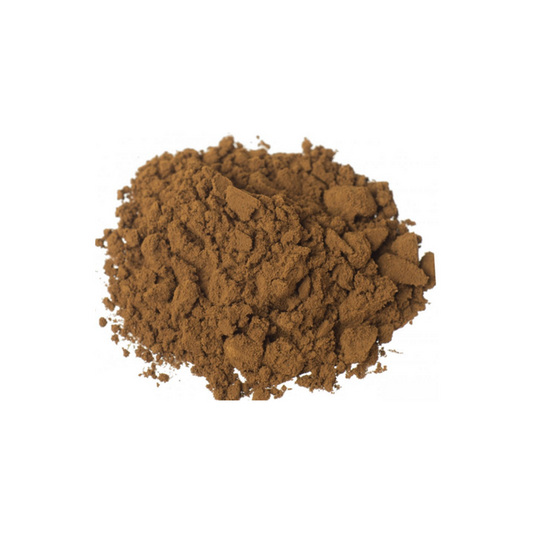
Mitragyna Parvifolia Crushed Leaves - High-Quality Kadamb
 4 reviews
Contact Us For Availability Best Kratom Alternatives for Sleep - Natural Botanical Solutions
4 reviews
Contact Us For Availability Best Kratom Alternatives for Sleep - Natural Botanical Solutions -
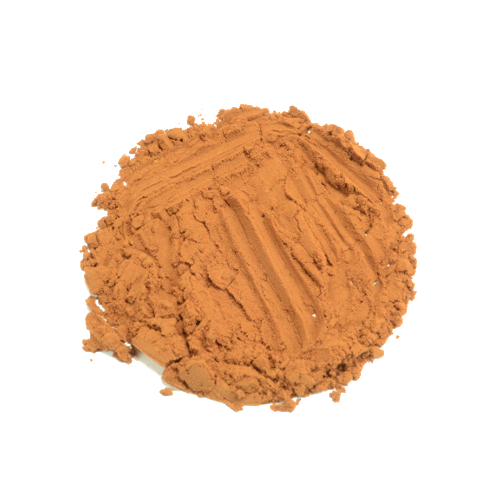
Mitragyna Javanica Kra Thom Na 100:1 Powdered Extract - 1KG
4 reviews
Contact Us For Availability Best Kratom Alternatives for Sleep - Natural Botanical Solutions -
Kra Thom Na Crushed Leaves - Mitragyna Javanica Powder
4 reviews
Contact Us For Availability Best Kratom Alternatives for Sleep - Natural Botanical Solutions -
Kra Thom Kok Mitragyna Hirsuta 25:1 Powdered Extract - 1KG
4 reviews
Contact Us For Availability Best Kratom Alternatives for Sleep - Natural Botanical Solutions -
Kra Thom Kok Mitragyna Hirsuta 100:1 Powdered Extract - 1KG
4 reviews
Contact Us For Availability Best Kratom Alternatives for Sleep - Natural Botanical Solutions -
Kra Thom Kok (Mitragyna Hirsuta) Broyé
4 reviews
Contact Us For Availability Best Kratom Alternatives for Sleep - Natural Botanical Solutions



100% Vegan

Non GMO

Ethically Sourced
Lab Tested